
Lieferung heute & morgen

Qualitätsgarantie

Willkommens-Angebote freischalten: KOSTENLOSE Lieferung | Bis zu 80 % RABATT | Kostenlose 30-Tage-JoyPlus-Testphase
App herunterladen
An eyeshadow palette can create a wide range of looks – from subtle office make-up to smoky eyes for the evening. However, a broad choice of colours and terms such as “highly pigmented” do not automatically mean that a palette is right for you. What matters is whether the shades, textures and application suit your individual habits.
A palette with ten or more shades may initially seem flexible. In practice, similar colours often go unused, while a suitable transition shade or matte base shade is missing. For everyday use, three to five well-coordinated shades are often more practical than a very large selection without a clear colour scheme.
An eyeshadow palette with highly pigmented colours can deliver intense results, but requires careful dosing. For beginners, buildable colours are often easier to work with. Pigmentation should not be considered in isolation, either: a good balance of colour payoff, blendability and even adhesion is more important for the finished look.
Matte and shimmery eyeshadows serve different purposes. Matte shades are generally suitable for defining the crease, while shimmer or glitter shades reflect light and can be used as accents. Larger particles may be more likely to fall beneath the eye. If you have sensitive eyes, take particular care when applying them. If a product gets into your eye or causes stinging, redness or itching, stop using it and rinse the affected area with water.
First, consider which looks you actually want to wear:
Also check whether the palette contains matte, satin, shimmery or glitter finishes. In many cases, a balanced mix is more practical for everyday wear than a palette made up entirely of glossy shades.
The product description often refers to a powdery, creamy or velvety texture. With pressed powder, it is important that the colour can be picked up evenly and blended without harsh edges. Creamy or oil-based formulas may feel comfortable, but should work well with your skin type and the eyeshadow primer you use.
Several factors contribute to long-lasting eyeshadow: skincare, primer, application technique and the product formula. Without standardised comparison conditions, a general statement about wear time cannot be applied to every user. If you tend to have oily eyelids, you can try a suitable eyeshadow primer and build up the colours in thin layers.
The complete INCI list on the packaging is the authoritative source, as formulations can change. Look out for colourants, fragrances and other ingredients that you personally may not tolerate. “Vegan” and “cruelty-free” do not automatically mean the same thing; such claims should be confirmed directly by the manufacturer or on the product packaging. For products containing Carmine, the ingredient-list designation is particularly important if you are looking for a vegan eyeshadow palette.
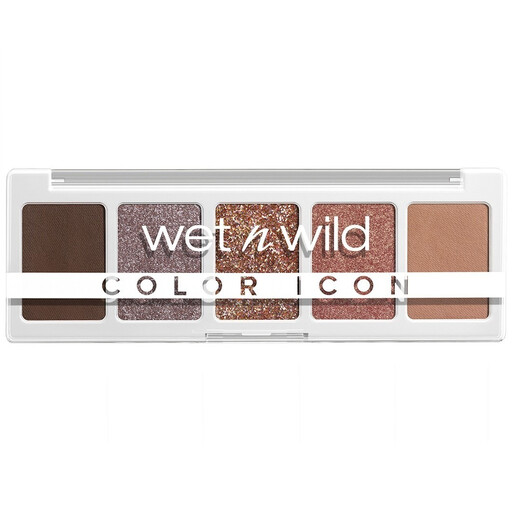
Why this product suits the profile: Five peach and brown shades provide a straightforward introduction without the need to buy a large selection of colours. According to the product description, the colours can be applied dry or damp.
The compact selection reduces the number of unused shades. Different finishes make it easier to switch between a natural look and a bolder accent.
Five colours, matte and shimmery finishes, plus the option of applying them dry or damp.
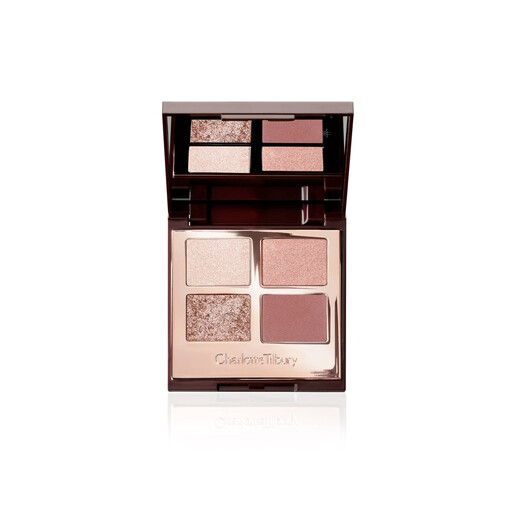
Why this product suits the profile: The four-pan palette is designed around a set sequence of base, transition, defining and accent shades. This can give your application a more structured approach.
The clearly defined colour logic avoids an overwhelming selection. However, check the INCI list and packaging for up-to-date information before buying.
Four coordinated shades, including a sheer champagne glitter for accenting.
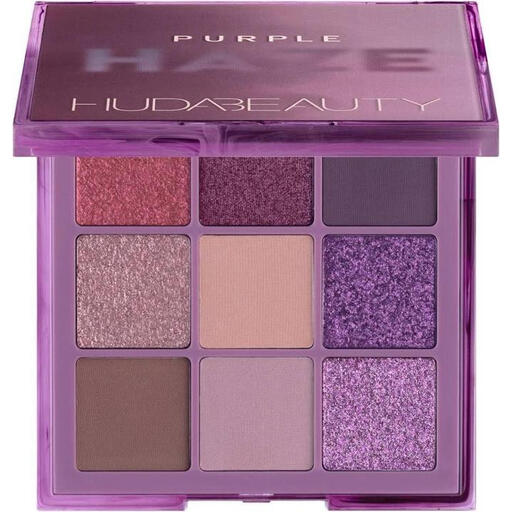
Why this product suits the profile: According to the product details, the nine purple shades range from light lilac to intense violet, making them suitable for colourful looks with varying degrees of intensity.
The colour palette is clearly defined and should not be mistaken for a neutral everyday palette. This makes it easier to assess whether it suits your personal make-up style.
Nine colours, matte and shimmery finishes, plus buildable coverage according to the product description.
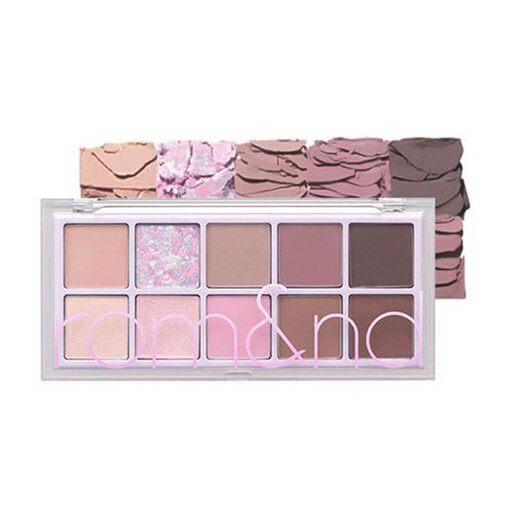
Why this product suits the profile: This lilac-toned selection is designed for soft, romantic looks and can be built up from a subtle wash of colour to more intense accents.
The distinctive colour scheme prevents false expectations of a classic nude palette. Before buying, compare the selection with the make-up products you already own.
Lilac shades, finely milled powder ingredients according to the product description, and buildable colour payoff.
We have put together a complete, regularly updated list of products that fully meet these strict selection criteria and the safety regulations applicable in the EU.
For controlled application, the following order is recommended:
The best-before date, batch number and PAO information on the packaging should be observed. A dry texture, an altered smell or a visibly changed formula is a reason to stop using the product, regardless of the date.
A straightforward palette with light, medium and dark shades, as well as at least one matte transition shade, is usually easier to use. Five to ten harmonious colours may be enough for creating your first natural looks and simple smoky eyes.
Refer to the open-jar symbol, the printed date and the manufacturer’s instructions. Powder products can remain usable for a long time, but should be discarded if their smell, colour or texture changes. Whenever possible, do not share eye make-up with other people.
No. Price alone says nothing about the colour selection, blendability or suitability for you. Compare the weight in grams, the number of colours you will genuinely use, the finish, ingredients and the manufacturer’s product information. A smaller palette with shades that suit you may be more practical for everyday use than a larger selection containing lots of unused colours.