
Lieferung heute & morgen

Qualitätsgarantie

Willkommens-Angebote freischalten: KOSTENLOSE Lieferung | Bis zu 80 % RABATT | Kostenlose 30-Tage-JoyPlus-Testphase
App herunterladen
An eyeshadow palette can simplify your daily make-up routine or become an unused addition to your collection. The difference usually lies not in bold marketing claims, but in the right colour selection, textures and intended use. If you want to buy an eyeshadow palette, you should therefore check in advance whether the shades suit your skin’s undertone, your routine and the looks you prefer.
A palette with numerous shades may seem versatile. However, if it lacks light transition shades, a suitable deepening shade or a wearable base colour, many of the colours may go unused. A 4-colour eyeshadow palette may be enough for a clear make-up routine, while a 9-colour eyeshadow palette allows for more combinations.
The gradation is what matters: ideally, a well-designed palette should contain at least one light base shade, a transition colour, a darker defining shade and, depending on your preference, a shimmer or glitter shade.
A highly pigmented eyeshadow delivers plenty of colour with only a small amount of product. This can be useful for intense evening looks, but requires careful application. Beginners often find a buildable formula easier to work with, as the intensity can be increased gradually.
Colour payoff should also not be confused with blendability. An easily blendable eyeshadow allows you to soften transitions in a controlled way, without the colours unintentionally mixing into a grey or patchy shade.
“Glitter eyeshadow” can refer to fine shimmer, metallic particles or larger glitter pigments. Larger particles can be more noticeable and should be applied carefully. If you have sensitive eyes, it is sensible to follow the instructions on the packaging and avoid direct contact with the eyes.
Warm peach, terracotta and gold shades often complement warm skin undertones. Rose, mauve and purple shades can create a cooler colour effect. Nude eyeshadows in beige, brown and taupe shades are generally suitable for subtle everyday looks, but should not be judged solely by the name of the colour range. Product images may vary depending on your screen.
The following colour functions are useful for a versatile eye make-up palette:
A matte eyeshadow palette is suitable for contouring, the crease and subtle looks. Satin and shimmer shades add highlights, while metallic or glitter formulations can make a stronger impact. Powder textures containing ingredients such as mica, talc, silica or magnesium stearate are listed in the product descriptions of several palettes. However, the specific feel and adhesion can still vary from one shade to another.
If you tend to have oily eyelids, you can also use an eyeshadow primer. It is not a substitute for a suitable texture, but it may affect colour intensity and wear time depending on the individual.
A compact palette is practical for your handbag and when travelling. Larger palettes offer a wider choice of colours, but require more storage space. An applicator or brush included with the palette may also be useful, although it will not necessarily replace the tools you already own.
Check the fill quantity, number of pans, finish information, ingredient list and best-before or batch information on the packaging. The details in the online listing may change; the labelling on the product actually delivered is authoritative.
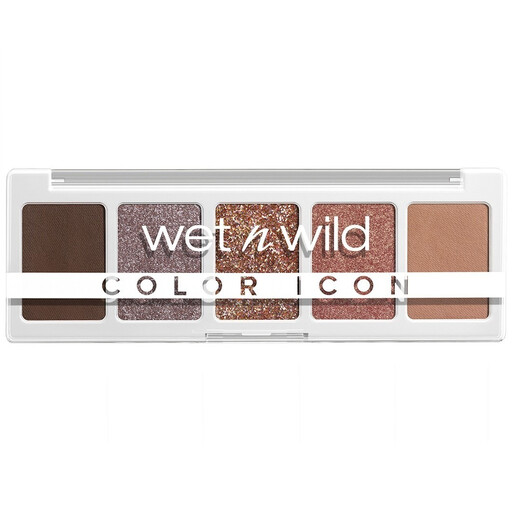
Why this product suits the profile: Five peach- and brown-based shades provide a manageable foundation for natural to more striking looks.
The small number of pans reduces unused colours; according to the product description, the shades can be applied dry or wet.
Matte, shimmer and glitter finishes; 5 g total contents according to the product information.
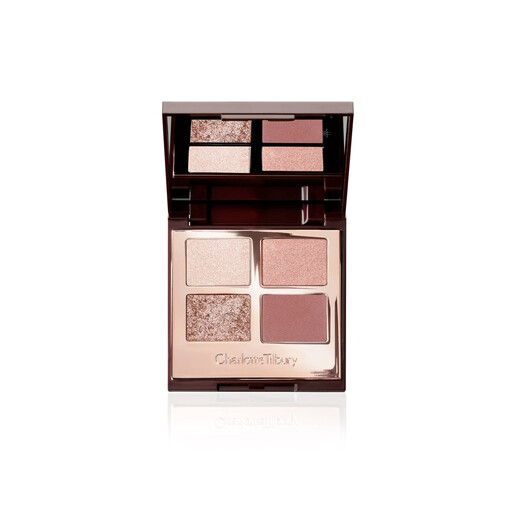
Why this product suits the profile: The four shades are arranged as sequential steps for base, transition, definition and accent.
The clear four-step structure helps prevent you from buying a palette without a useful transition or defining shade.
Four coordinated shades, including a sheer champagne glitter shade; 5.2 g contents according to the product information.
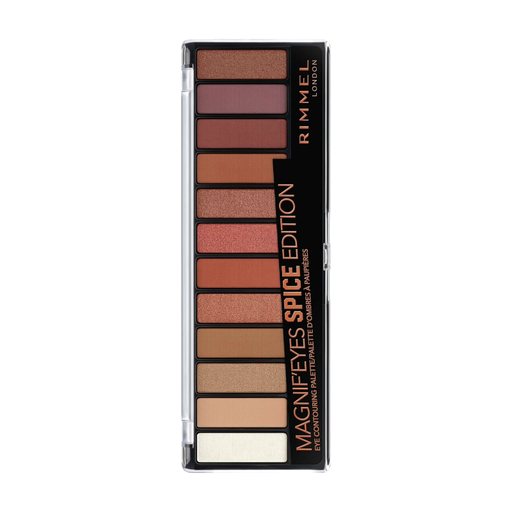
Why this product suits the profile: The 12-pan palette is designed for users who want to combine matte, satin and glossy looks from a single palette.
The finishes are clearly specified, making it easier to assess glitter, satin and matte colours before buying.
12 shades, a dual-ended brush and, according to the product description, the option to apply the colours wet or use them as liner.
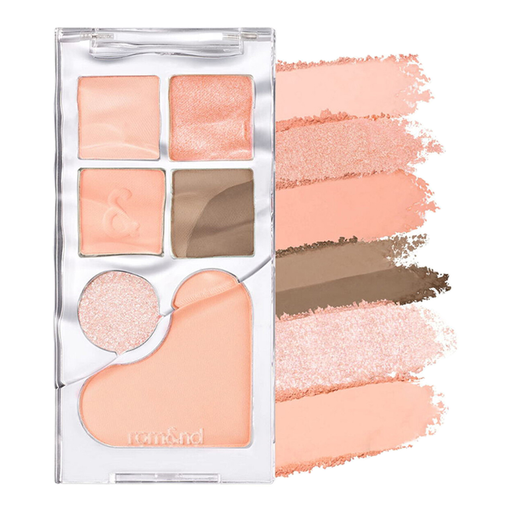
Why this product suits the profile: The apricot shades are designed for soft, natural looks and combine matte and shimmer textures.
The colour story remains cohesive, resulting in fewer mismatched individual shades that are rarely used.
Seven coordinated matte and shimmer shades; according to the product description, they are designed for buildable application.
We have put together a complete, regularly updated list of products that fully meet these strict selection criteria and the safety regulations applicable in the EU.
For an even application, your eyelid should be clean and dry. Light colours are usually applied first, medium shades are blended through the crease, and darker colours are placed at the outer corner of the eye. Glitter can often be applied more precisely by tapping it on with your finger or a flat brush, rather than blending it over a large area.
Use clean brushes, close the palette after use and store it in a dry place away from direct heat. If redness, itching, stinging or swelling occurs, stop using the product. If it comes into contact with your eyes, do not rub them; rinse with plenty of water instead. The specific shelf life depends on the packaging information, batch number and, where applicable, the symbol indicating the period after opening.
A palette with four to nine harmoniously coordinated colours is usually easier to manage than a very large colour collection. A light base shade, a transition colour, a darker shade and an optional shimmer are particularly useful. A buildable texture makes it easier to control the amount applied.
Refer to the packaging and the symbol indicating the period after opening. The smell, consistency or colour may change if the product is stored incorrectly. For hygiene reasons, do not share eye make-up with other people, and replace products that are damaged or heavily contaminated.
A matte eyeshadow palette mainly contains light-diffusing, non-shiny colours and is suitable for creating a base and definition. A shimmer or glitter palette contains reflective particles for visible highlights. For flexible looks, a combination of matte, satin and shimmer shades can be a sensible choice.