
Lieferung heute & morgen

Qualitätsgarantie

Willkommens-Angebote freischalten: KOSTENLOSE Lieferung | Bis zu 80 % RABATT | Kostenlose 30-Tage-JoyPlus-Testphase
App herunterladen
An eyeshadow palette can simplify your everyday make-up routine – or become impractical after just a few uses. Many colours look harmonious in product images but barely work together in everyday life. Other palettes promise intense pigmentation but are difficult to blend. The number of shades also says little about how versatile a palette really is.
The following selection criteria will help you assess marketing claims and find an eyeshadow palette that suits your make-up style, budget and intended use.
A 9-colour eyeshadow palette or 10-colour eyeshadow palette generally offers more creative options than a 4-colour eyeshadow palette. However, the way the colours work together is what really matters. A colourful eyeshadow palette with lots of strong contrasts is ideal for creative looks, but may be excessive for subtle daytime make-up.
For beginners, palettes with at least one light base shade, one mid-tone transition shade and one darker defining shade are usually easier to use. A nude eyeshadow palette with warm or neutral brown, beige and rose shades can often be incorporated into your everyday routine.
Highly pigmented eyeshadows can deliver intense colour with only a small amount of product. This is useful for bold looks, but darker or more colourful shades require greater blending skill. For beginners, buildable colour payoff may be easier to control.
So don’t just look for the description “highly pigmented eyeshadow”; also consider the combination of finishes. Matte eyeshadow palettes and shimmery eyeshadow palettes serve different purposes: matte shades add structure, while shimmer and metallic colours create points of light.
A long-lasting eyeshadow can perform differently depending on your skin type, eyeshadow primer, temperature and application technique. Claims such as “long-lasting” or “crease-resistant” should therefore be understood as product characteristics stated by the supplier, not as a guarantee for every application.
If you’re planning to wear your make-up throughout a working day or to an event, you can use a primer and build up the colour in thin layers. If you have sensitive eyes, you should also check the full ingredients list on the packaging.
The number of shades is a useful starting point:
Check whether the shades can actually be combined with one another. A palette with several similar brown shades may be more practical for everyday looks than a larger selection without a common colour base.
Ideally, a well-balanced palette contains a range of textures. Matte eyeshadows are suitable for deepening the crease and defining the outer corner of the eye. Satin and shimmer shades can visually brighten specific areas. Chunky glitter can create a more striking effect, but should be applied carefully with your eyes closed.
When using products around the eyes, follow the instructions on the packaging. Stop using the product if you experience burning, redness or itching. Information about pigments such as carmine or certain colourants is also relevant if you have known individual sensitivities.
Blendable eyeshadows make it easier to create soft transitions. A creamy-feeling or finely milled powder texture may apply more evenly; the exact result also depends on your brush, whether you apply with your fingers and the primer you use. For on-the-go use, a secure closure, mirror or integrated applicator are practical additional features.
Also check the net quantity, ingredients list and the printed shelf life or period-after-opening symbol. Powder products should be stored in a dry place, away from direct sunlight and without significant temperature fluctuations.
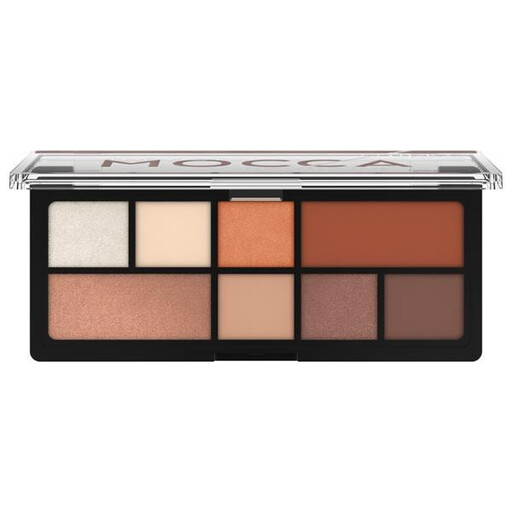
Why this product suits the profile: The palette combines several brown and beige shades, providing a manageable base for everyday eye make-up looks.
The selection focuses on a wearable colour family rather than lots of accent shades that are difficult to combine.
Nine shades, a powder texture and an ingredients list containing mica, talc and iron oxides according to the product information.
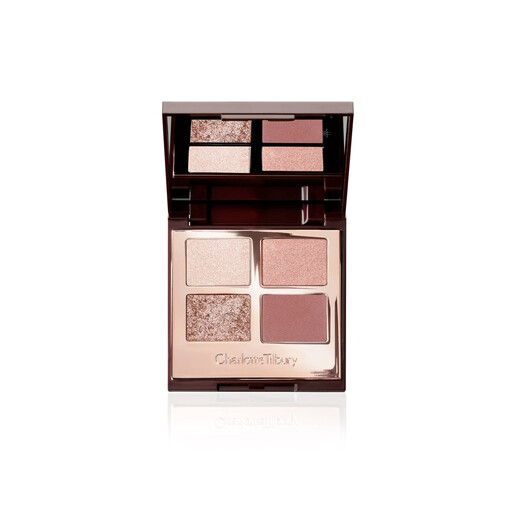
Why this product suits the profile: According to the product description, four coordinated shades follow a structured application sequence of base, transition, definition and accent.
The compact selection reduces the risk of clashing combinations and makes the intended application order easy to follow.
Four-colour system, pressed powder texture and a transparent champagne glitter shade according to the product description.
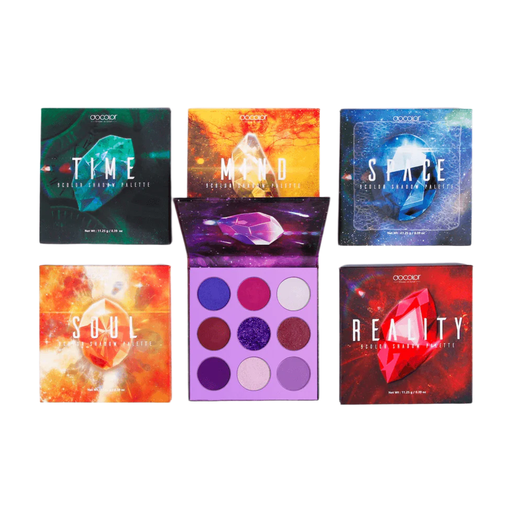
Why this product suits the profile: According to the product information, the Gemstone Collection contains 54 colours and is aimed at users who frequently switch between natural and creative looks.
The wide range of colours means you don’t need several separate palettes for different colour moods.
54 shades, highly pigmented and blendable powders according to the supplier’s information, plus compact packaging.
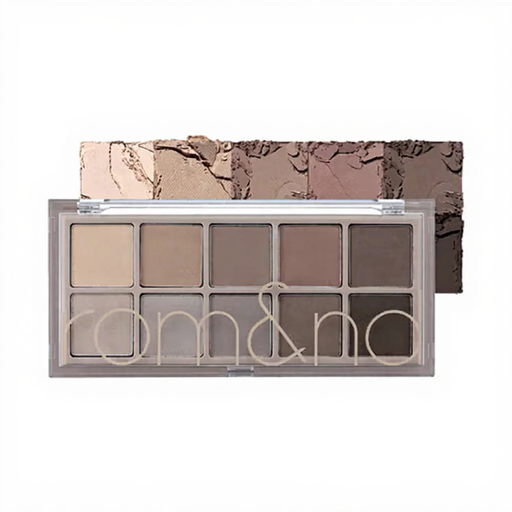
Why this product suits the profile: Ten shades with matte and shimmer finishes cover subtle daytime looks as well as more defined evening looks.
The mix of matte and shimmer shades offers more ways to use the palette than one with just a single finish.
Ten colours, matte and shimmery textures, plus a compact, travel-friendly format according to the product description.
A simple 4-colour eyeshadow palette or a harmoniously coordinated nude eyeshadow palette is usually easier to use. Look for a light base shade, a mid-tone transition shade and at least one darker colour for definition.
The printed best-before date, period-after-opening symbol and the manufacturer’s information on the packaging are the key points to consider. If the smell, colour, texture or adhesion changes noticeably, the product should no longer be used around the eyes. Storing it somewhere dry, cool and protected from light can help maintain product quality.
A primer can create an even base. Apply the eyeshadow in thin layers, blend the transitions and avoid applying too much product at once. Actual wear time depends on the formula, skin type, surroundings and application.