
当日/次日达

品质保障

开启新人专享福利: 全场免邮 | 低至 2 折 | 免费试用 30 天 JoyPlus 会员
下载 Joybuy
An eyeshadow palette can replace several individual products – provided the colour selection and textures suit your make-up style. However, there are clear differences between nude shades, colourful combinations, matte powders and glittering accents. Marketing terms such as “highly pigmented”, “long-lasting” or “effortlessly blendable” are therefore not enough on their own to make an informed purchase.
This guide explains which features really matter and which common buying mistakes you can avoid.
A large number of pans may initially seem versatile. However, if suitable transition and defining shades are missing, individual colours often go unused. For everyday make-up, it is practical to have at least a light base shade, a medium transition shade and a darker shade for definition. A nude eyeshadow palette with graduated beige, brown or rose shades can therefore be more versatile than a palette containing lots of similar shimmer shades.
A strongly colour-depositing, so-called highly pigmented eyeshadow can help you create striking looks. For beginners, however, it is not automatically easy to use: too much product can be difficult to correct and may look patchy. What matters is whether the colour can be built up gradually and how evenly it can be distributed with a brush or finger.
An eyeshadow palette with shimmer can make eye make-up look more varied. However, larger glitter particles may flake off or get into the eyes. If you have a sensitive eye area, check the particle structure and apply the product carefully. For loose or highly reflective particles, apply slowly with your eyes closed. If irritation occurs, stop using the product.
First, check whether the palette is suitable for how you plan to use it:
Do not just look at the shade names; pay attention to the visible contrasts too. A palette should contain light, medium and dark shades so that you can build up depth.
A blendable eyeshadow distributes evenly without requiring extensive work to soften harsh transitions. With pressed powder, fine pick-up on the brush and controllable colour payoff are useful indications. Cream-powder textures may adhere more intensely, but feel different depending on your skin type.
For beginners, shades with buildable coverage are generally easier to work with. More experienced make-up users may prefer to look specifically for contrasting or layered textures.
Cosmetic products for the German market should display a complete INCI ingredients list, details of the responsible person and batch or shelf-life information. If you have known allergies, check colourants and other declared ingredients before buying. Some of the products mentioned here contain Carmine, fragrance allergens or preservatives, for example.
The period after opening is shown by the PAO symbol on the packaging. Actual usage time also depends on clean application, dry storage and closing the palette regularly. Do not store a palette in a damp bathroom or in direct sunlight.
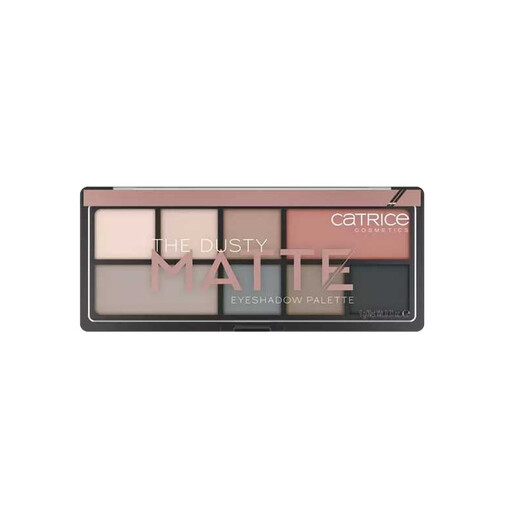
Why this product suits this profile: The palette contains eight matte shades in a muted colour family, making it suitable for controlled, natural-looking eye make-up.
The limited colour selection reduces unused shades, while light, medium and darker matte colours still allow you to create graduated looks.
Eight matte powder shades, 9 g of product and a formula described as fragrance-free and alcohol-free.
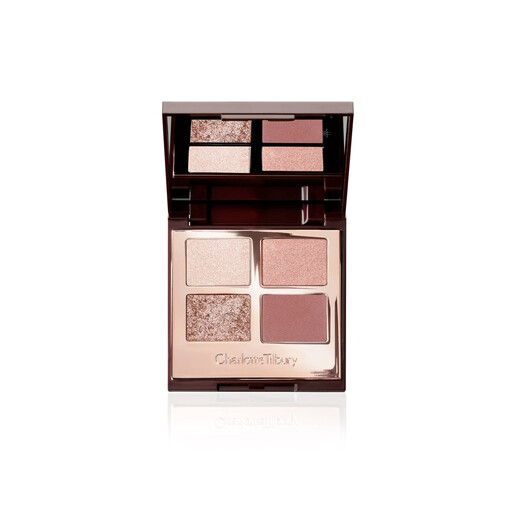
Why this product suits this profile: The four-shade system is designed to follow a clear sequence of base, transition, definition and accent.
The fixed sequence prevents random colour selection, while the transparent champagne glitter is used specifically as an accent.
Four clearly assigned shades, 5.2 g of product and a powder formula with matte, satin and glitter elements.
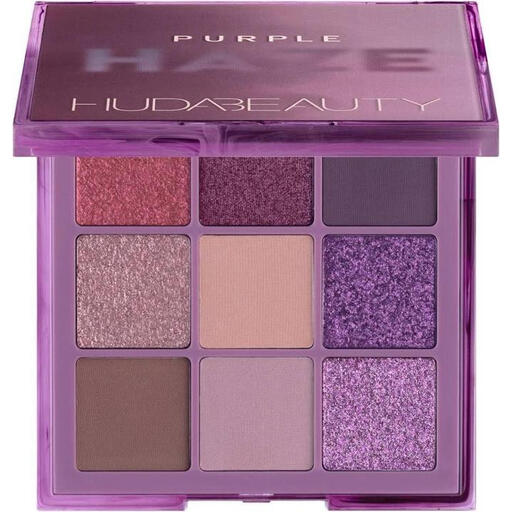
Why this product suits this profile: The nine purple shades range from light lilac tones to deep violets, appealing to users who enjoy colour-focused looks.
The colour direction is clear, preventing a supposedly versatile palette from consisting mainly of neutral shades that are rarely used.
Nine shades, matte and shimmer finishes, plus buildable coverage according to the product details.
We have put together a complete, regularly updated list of products that fully meet these strict selection criteria and the safety regulations applicable in the EU.
The PAO symbol, expiry date and information on the packaging are the key points to consider. If you notice a change in smell, colour, surface or texture, stop using the palette regardless of the stated period.
A palette with a small selection of well-coordinated matte and satin shades is generally easier to navigate than a very large colour palette. A light base colour, a medium transition shade and a dark defining shade can cover many simple looks.
A thin, suitable base, a light application of powder and avoiding too many overlapping layers can help. The result also depends on your skin type, the product texture, the ambient temperature and how you apply it. Terms such as “long-lasting eyeshadow” should therefore be viewed as a product characteristic, not a guaranteed result for everyone.