
Lieferung heute & morgen

Qualitätsgarantie

Willkommens-Angebote freischalten: KOSTENLOSE Lieferung | Bis zu 80 % RABATT | Kostenlose 30-Tage-JoyPlus-Testphase
App herunterladen
Diving into the world of manga drawing is an exciting journey. However, choosing the right equipment can quickly become overwhelming. Many beginners invest in sets that look promising at first glance but turn out to be incomplete or of insufficient quality. As your Joybuy Product Recommendation Officer, I'm here to help you avoid the common pitfalls and make an informed decision.
Before you make a purchase, it's important to know the most common issues that can quickly dampen your creative spirit.
To avoid the problems mentioned above, you should focus on three core parameters. These define the quality and usability of a set for aspiring manga artists.
The most important criterion for the black fineliners in a manga ink pen set is the ink itself. Look for the term pigmented ink. Unlike dye-based inks, pigments do not penetrate as deeply into the paper and are generally waterproof once dry. This is the fundamental requirement for colouring your drawings later without smudging. High lightfastness also ensures that your artwork retains its colour intensity for years to come.
A good learn-to-draw-manga kit should include a selection of pen nibs for different tasks:
A well-thought-out kit goes beyond just the pens. The following accessories turn a simple pen pack into a true drawing kit with a manikin:
Based on the criteria above, we have compiled a few products for different user profiles.
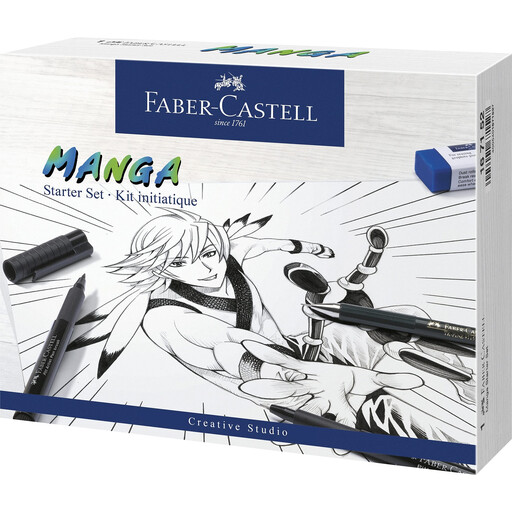
Why This Fits Their Persona: Ideal for anyone who wants to work with a well-designed and complete system from the very beginning. This set is an excellent gift for manga artists or for your own start, as it combines all the essential tools in brand-name quality.
It's a true all-in-one package: It includes a mechanical pencil, eraser, three Pitt Artist Pen Manga pens with waterproof ink and the crucial nib sizes (XS, M, B), plus a manikin and an instructional guide. No extra purchases needed.
The combination of high-quality drawing tools and educational aids (manikin, guide) facilitates a structured and motivating learning process.
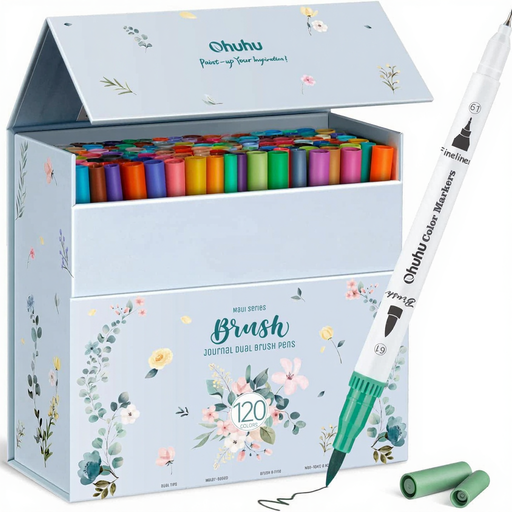
Why This Fits Their Persona: Perfect for artists who already have their line art tools and now want to dive into the world of colour. This set offers an enormous colour palette for vibrant illustrations.
It bypasses the trap of limited colour palettes. With 120 colours, you can forget about the cumbersome process of mixing to find the right shade. The water-based ink is also blendable, allowing for watercolour effects.
The dual tips (0.4 mm fineliner and 1-6 mm brush) on each pen offer maximum flexibility for colouring—from fine accents to large-area gradients. Includes replacement nibs and a storage case.
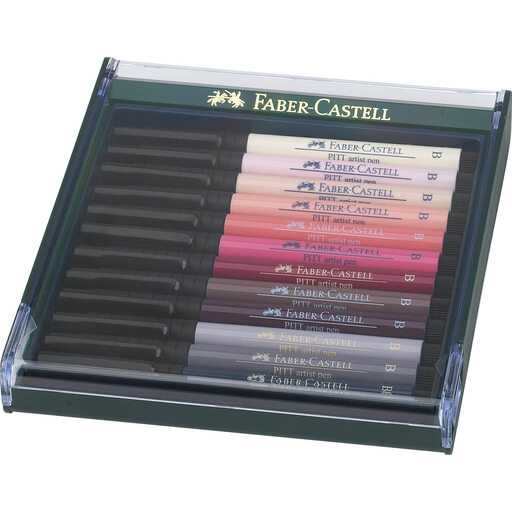
Why This Fits Their Persona: For artists who want to specialise in characters and portraits. Depicting realistic skin tones is a challenge that this set specifically addresses.
It solves the problem of generic colour sets that lack nuanced skin tones. The 12 colours are specially curated for depicting various ethnicities and lighting conditions.
High-quality, lightfast, and waterproof ink in brush pens. The colours can be layered and blended to create smooth transitions and shading.
We've compiled a complete, up-to-date list of products that meet these strict selection criteria and quality standards.
Yes, the Pitt Artist Pens from Faber-Castell use a pigmented drawing ink. According to the manufacturer, it is permanent and waterproof after drying. This means you can paint over the dried lines with water-based markers or watercolour paints without them smudging.
A manikin is not an absolute must, but it is a very useful tool, especially for beginners. It helps you develop a feel for human anatomy, body proportions, and complex poses. Instead of constructing poses from imagination, you can use the manikin as a physical reference, which can significantly speed up the learning process.
The choice of paper is almost as important as the choice of pens. For ink drawings and colouring with markers, smooth, relatively thick paper (at least 120 g/m?) is ideal. So-called "marker paper" or "Bristol board" are good options as they have a special coating that minimises ink bleeding through to the back and makes the colours pop. Avoid standard copy paper, as it is too thin and will absorb and feather the ink heavily.