People with fixed wash slots
When wash times are allocated, a suitable programme duration, a time-remaining display and, where available, a delay timer can help you plan. Check that the programme you want to use fits your time slot.


Choose a washing machine for fabric napkins based first on your available wash slot and how much laundry you can wash with them. The Verbraucherzentrale recommends treating stains before they dry in wherever possible. A quick wash is not a one-size-fits-all solution for every stained load, either: according to the manufacturer, the 14-minute programme on the Beko BM3WFU4741N is limited to a maximum of 2 kg.
When wash times are allocated, a suitable programme duration, a time-remaining display and, where available, a delay timer can help you plan. Check that the programme you want to use fits your time slot.
Sort fabric napkins by material and colour, and follow the care label. The Verbraucherzentrale advises treating stains before they dry in wherever possible. A quick wash alone won’t tell you which programme is right for each napkin.
If space is limited, you’ll need to weigh up the machine’s design, the room needed to open it and how much laundry you can wash together. Measure the available space, including room for the door to open and for the connections.
A good fit if: There’s enough room for the machine and its door to open, and you collect napkins with other laundry that can be washed in a similar way.
Bear in mind: The stated capacity doesn’t necessarily apply to every programme, so check the load limit for the programme you plan to use.
A good fit if: There isn’t enough width for a front-loader and there’s sufficient space above the machine to open the lid.
Bear in mind: The AEG LTR6A41460 we reviewed has a stated capacity of 6 kg, and its lid needs clear space above it.
| Criterion | What to check before buying | Who should pay particular attention? |
|---|---|---|
| Programme duration | Check the cycle time and maximum load for both the quick wash and the relevant stain programme. A time-remaining display and delay timer can help you plan, but they don’t guarantee that a cycle will finish on time. | If my wash slot is short, I want to know whether there’s enough time for the right programme and unloading. Around 36% of consumers say wash time is their top priority. |
| Stains and fabric care | Compare the programmes that are suitable for the care label, and check their load limits. Treat stains according to the fabric’s care instructions, preferably before your next wash slot. | When there are food stains, I want to wash napkins in a way that suits the fabric and care label, rather than relying on a quick wash alone. Around 29% of consumers put stain removal first. |
| Space and load size | Measure the machine, the space needed to open it and the connections, and work out what laundry you’ll be washing together. The kilogram figure isn’t the load limit for every programme. | If space is limited, the machine’s design needs to fit the available area while still leaving enough room for the laundry you’ll be washing together. Around 21% of consumers put space and load size first. |
| Energy use and noise | Compare the Eco 40–60 figures on the EU energy label and check the stated noise emissions. These figures don’t automatically apply to quick or stain programmes. | If the machine runs regularly, I want to weigh up energy use and spin noise using comparable figures. Around 14% of consumers consider energy use and noise first. |
The Beko BM3WFU4741N has a stated capacity of 7 kg, but its 14-minute programme is limited to a maximum of 2 kg.
Before buying, check the load limit for the specific programmes you plan to use during your reserved wash slot.
The energy-use figures on the EU energy label are for the standardised Eco 40–60 programme and don’t automatically apply to other wash programmes.
Compare machines using the same label basis, and check the figures for any additional programmes you use often separately.
Product dimensions don’t tell you whether you’re allowed to install and connect your own machine in the laundry room.
Before ordering, check the rules for using the space, the available floor area, connections and room to open the machine.
A manufacturer’s description of a stain programme doesn’t prove that it’s suitable for every napkin, stain or load size. The fabric, care label and type of stain all matter.
Treat stained napkins according to the fabric’s care instructions and check the conditions for the specific programme.
According to Beko, the BM3WFU4741N and BM3WFU4841N have stated capacities of 7 kg and 8 kg respectively, along with stain and quick-wash programmes.
The Serie 4 front-loader WAN28127 we reviewed combines a stated capacity of 8 kg with a reload function and SpeedPerfect.
The iQ300 WM14N127 we reviewed is a front-loader with a stated capacity of 8 kg, speedPack L and a reload function.
According to AEG, the top-loader LTR6A41460 we reviewed has a stated capacity of 6 kg, as well as ProSense, a delay timer and TimeSave.
According to Miele, the W1 WWA120 WCS 8kg Active front-loader we reviewed has a stated capacity of 8 kg, AddLoad and CapDosing.
The freestanding front-loaders below are options for washing fabric napkins alongside other suitable laundry on a shared wash schedule. For each model, check that the programme duration and load limit fit your time slot.
 No image available
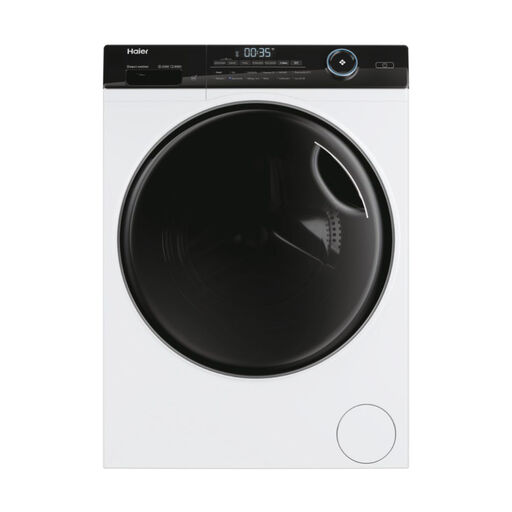
A front-loader option if you want to collect several suitable items and make use of adjustable wash times.
Stated capacity of 9 kg; 1400 rpm; delay start of up to 24 hours; energy efficiency class A; the hOn app and Refresh Steam function are listed in the product name.
 No image available
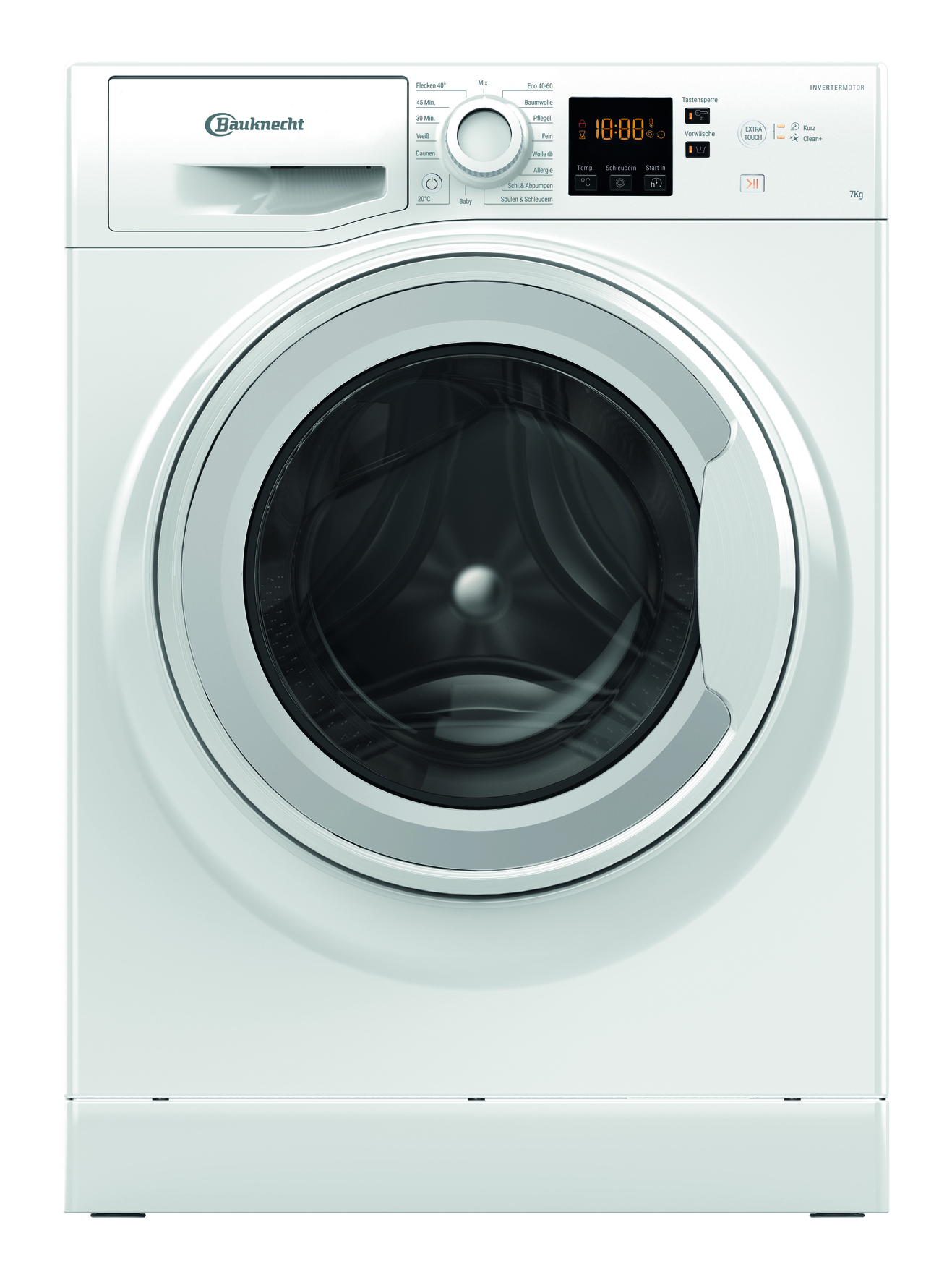
A front-loader option if a stated capacity of 7 kg suits the laundry you’ve collected and you want to check the listed programme names.
Stated capacity of 7 kg; energy efficiency class A; Stains 40° and Quick 45' are listed in the product name.
 No image available
A slim-fit front-loader option if you want to check the cycle time for a smaller load.
Stated capacity of 9 kg; 1200 rpm; Slim Fit; TurboWash is listed as taking 39 minutes for a half load. This time does not apply to a full load.
 No image available
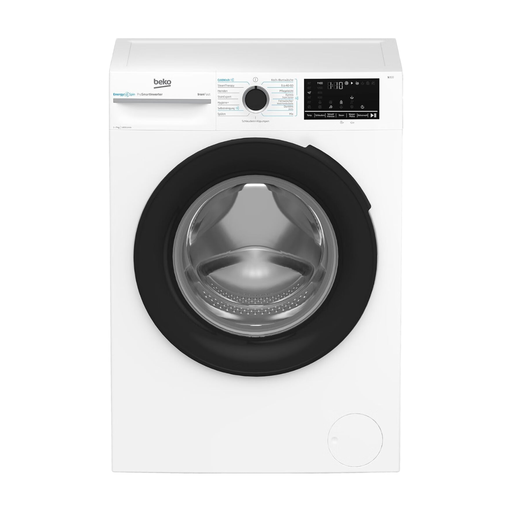
An 8 kg front-loader option if you want to collect more suitable laundry for a shared wash slot.
Stated capacity of 8 kg; 1400 rpm; the 14-minute programme is limited to a maximum of 2 kg. Beko also lists StainExpert as a programme option.
 No image available
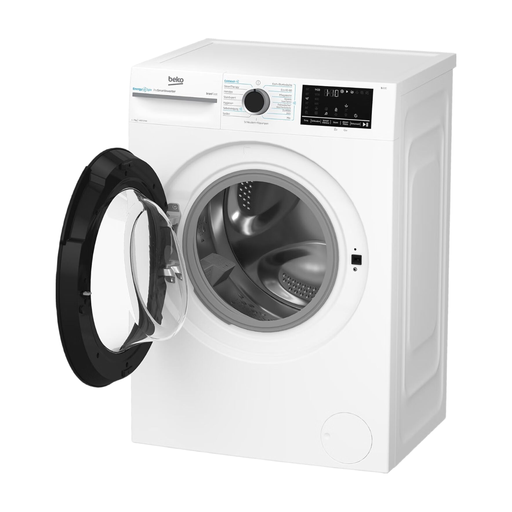
A 7 kg front-loader option if you’re washing a smaller collected load and can work within the quick-wash limit.
Stated capacity of 7 kg; 1400 rpm; according to Beko, the 14-minute programme is limited to a maximum of 2 kg.
Not in every case. Beko limits the 14-minute programme on the BM3WFU4741N to a maximum of 2 kg; AEG describes its 20-minute/3 kg programme as suitable for lightly soiled clothes or for freshening them up. Check the care label and treat stains before choosing a programme.
No, not as a rule. The Umweltbundesamt says additional laundry disinfection is generally unnecessary in private households. Choose the temperature and programme to suit the care label and the specific circumstances.
Before buying, check whether you’re allowed to install and connect your own machine, how much space is available including room to open it and access to connections, and what wash times apply. A delay timer doesn’t give you permission to install a machine or create an extra wash slot.
Remove the laundry soon after the programme ends, and dry the door seal and detergent drawer. The Verbraucherzentrale also recommends leaving the compartments open and cleaning the lint filter regularly, if your model has one.
The EU energy label compares standardised figures for Eco 40–60; it doesn’t automatically show the energy use of every quick or stain programme. Since March 2021, the European Commission has used an A to G scale for household washing machines.