
Lieferung heute & morgen

Qualitätsgarantie

Willkommens-Angebote freischalten: KOSTENLOSE Lieferung | Bis zu 80 % RABATT | Kostenlose 30-Tage-JoyPlus-Testphase
App herunterladen
A good face balm can be a true blessing for the skin, especially if it's dry, stressed, or mature. However, the market is crowded and saturated with marketing claims. Many products fail to deliver on their promises, leading to disappointment instead of well-nourished skin. As your Joybuy Product Recommendation Officer, I'm here to help you cut through the noise and make an informed decision.
Before we dive into the selection criteria, it's crucial to understand the most common marketing traps that often lead to a poor purchase.
To find the right face balm, you should focus on objective criteria. The following three parameters are decisive for a product's effectiveness and suitability.
A balm's base largely determines its properties and intended use. A look at the first ingredient on the INCI list reveals a lot:
A balm is only as good as its active ingredients. Check if the advertised actives are listed high up on the INCI list.
The texture should match your skin type and desired application. A good balm should feel nourishing but absorb after a reasonable time without leaving a heavy, greasy film—unless a strong occlusive effect is specifically desired (e.g., for extremely dry patches). Non-comedogenic formulations are preferable to minimise the risk of blemishes.
Here are some recommendations tailored to different user profiles and their specific requirements.
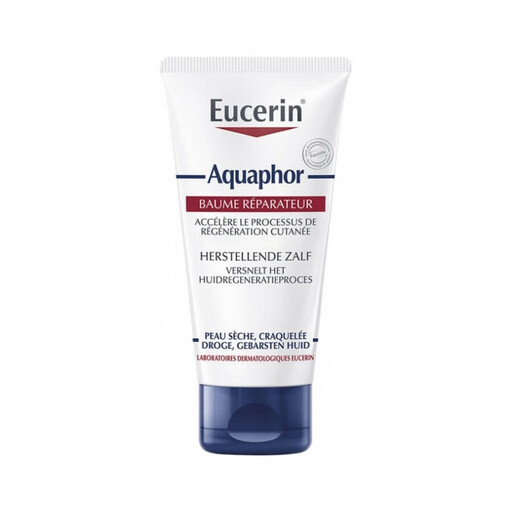
Why This Fits Their Persona: This person seeks a reliable, no-fuss solution for extremely dry, cracked, or irritated skin patches. The focus is on function and skin compatibility, not on fragrance or a luxury feel.
It avoids the "all-in-one" trap by focusing on a core function: protecting and supporting skin regeneration. It doesn't promise miracles but delivers reliable barrier care.
The water-free formula with Panthenol and Bisabolol creates an ideal environment for skin regeneration. It is free of fragrances and colourants, making it suitable for very sensitive skin.
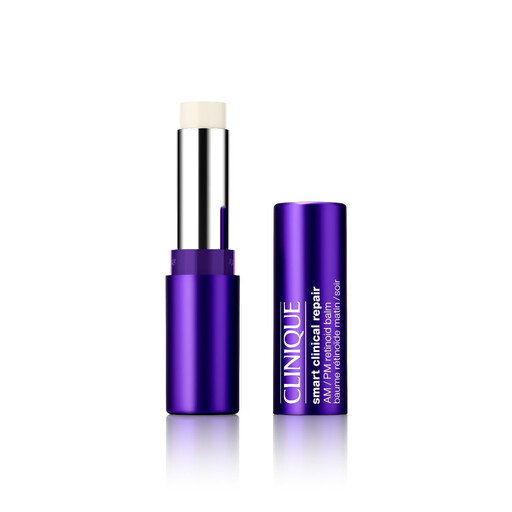
Why This Fits Their Persona: This person is looking for a targeted, active-ingredient-driven solution to reduce lines and wrinkles. Precision and effectiveness are more important than a rich, all-over face texture.
This is not a generic nourishing balm, but a specialised anti-aging balm. The stick format underscores its targeted purpose and prevents the kind of non-specific application that is ill-advised for potent ingredients like retinoids.
The formula combines a retinoid derivative with hydrating hyaluronic acid. The stick format allows for precise application on problem areas like forehead lines or crow's feet.
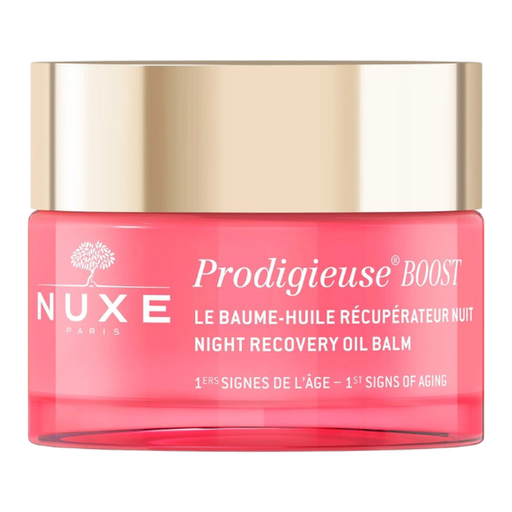
Why This Fits Their Persona: This person appreciates a rich, yet non-greasy treatment that works overnight. The evening skincare ritual is a moment for relaxation and for helping the skin recover from the day's stressors.
It sidesteps the misleading texture trap. The description highlights an "ultra-cocooning texture" enriched with Macadamia oil that leaves skin supple without a greasy finish. It is also declared non-comedogenic.
This night balm for the face contains an antioxidant complex with Jasmine flower to help the skin recover overnight from environmental damage. The formulation respects the skin's natural balance.
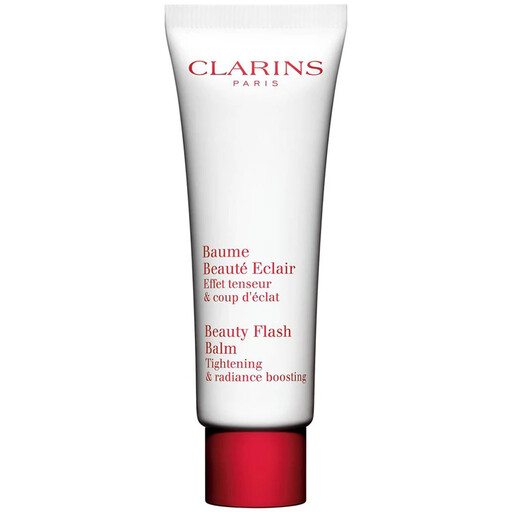
Why This Fits Their Persona: This person wants a product that gives tired skin an immediate boost of freshness and luminosity. It should serve as a quick fix before an important event or as an invigorating makeup primer.
The name "Beauty Flash Balm" clearly communicates its purpose: an instant effect. It doesn't promise long-term skin restructuring but rather a visible, quick refresh. This is honest positioning.
The formula with oat extract and acerola seed extract aims for an immediate tightening and radiance-boosting effect. Its versatile use as a treatment, mask, or makeup primer offers flexibility.
We have compiled a complete, up-to-date list of products that fully meet these strict selection criteria and UK/EU safety regulations.
1. What is the difference between a face balm and a cream? The main difference lies in the composition and texture. A balm is typically thicker and has a higher content of oils, waxes, and butters. Many are low-water or even water-free, which makes them very rich and forms a protective layer on the skin. A cream is an emulsion of water and oil, has a lighter texture, and generally absorbs more quickly. A nourishing balm for dry skin is therefore particularly well-suited to lock in moisture, especially as the final step in an evening skincare routine.
2. Can I use a face balm on oily or acne-prone skin? This heavily depends on the formulation. Heavy, highly occlusive balms can clog pores and are less suitable for oily skin types. However, there are modern formulations that are labelled "non-comedogenic." A cleansing balm is often a great choice for oily skin, as it's formulated on an oil base and works on the "like dissolves like" principle to effectively remove excess sebum, sunscreen, and makeup before being rinsed off with water.
3. How do I integrate an anti-aging balm with retinoids into my routine? Start slowly to allow your skin to acclimate to the active ingredient. Initially, apply the balm only two to three times a week in the evening to cleansed, dry skin. Since retinoids can make the skin more sensitive to light, daily use of a broad-spectrum sunscreen in the morning is essential. Once your skin has adapted, you can gradually increase the frequency of application.