
Lieferung heute & morgen

Qualitätsgarantie

Willkommens-Angebote freischalten: KOSTENLOSE Lieferung | Bis zu 80 % RABATT | Kostenlose 30-Tage-JoyPlus-Testphase
App herunterladen
A face and body exfoliator can help lift away dead skin cells and leave the skin’s surface feeling smoother. However, not every product suits every skin type or area of use. If you focus only on terms such as “Deep Cleansing”, “Glow” or “for all skin types”, you may miss important details.
Physical exfoliators use particles such as salt, sugar, apricot kernels or rice powder. A coarse texture can help with rough patches on elbows, knees or heels, but is often unsuitable for the face. Applying too much pressure or rubbing too often can put unnecessary strain on your skin.
For a face exfoliator, choose a fine texture or a gentle exfoliating gel. A body exfoliator can have a coarser texture, depending on where you plan to use it, but you should still avoid scrubbing hard.
How often to use an exfoliator depends on the product type, acid concentration and how well your skin tolerates it. A physical exfoliator, a chemical exfoliator and a cleanser with exfoliating ingredients are not interchangeable.
It’s particularly important to follow the instructions on the packaging when using an AHA exfoliator or BHA exfoliator. If your skin is sensitive or already irritated, start cautiously. PHA exfoliators are often marketed as a milder acid option, but you should still consider how well your skin tolerates them.
Terms such as “natural”, “vegan” or “free from certain ingredients” don’t, by themselves, tell you whether a product is right for you. Fragrance, essential oils, alcohol and certain preservatives may be relevant for some people. Always check the full INCI list on the packaging, as formulations can change.
First, be clear about where you plan to use the product:
Products containing salicylic acid or BHA are often considered for oily skin or clogged pores. A blackhead exfoliator shouldn’t automatically be used with vigorous rubbing. For dry or sensitive skin, frequency of use, fragrance content and physical friction are particularly important factors to consider.
Physical exfoliators remove dead skin cells through friction. These include salt, sugar, plant powder and particle-based scrubs.
Chemical exfoliators contain acids or related exfoliating ingredients:
Products with multiple acids, such as The Ordinary AHA 30% + BHA 2% Peeling Solution, call for a particularly cautious routine. According to the product instructions, the solution should be used no more than twice a week in the evening, on dry skin, and left on for a maximum of ten minutes. Sun protection is recommended during the day.
Before applying an exfoliator over a larger area for the first time, it’s a good idea to test it on a small patch of skin. Don’t use exfoliators on broken, inflamed or freshly irritated skin. Avoid the eye and lip areas.
After use, avoid overloading your skin with several other strong active ingredients. Stop using the product if you experience persistent redness, stinging, swelling or a rash, and seek medical advice if needed. The product packaging contains the binding instructions and the latest ingredients list.
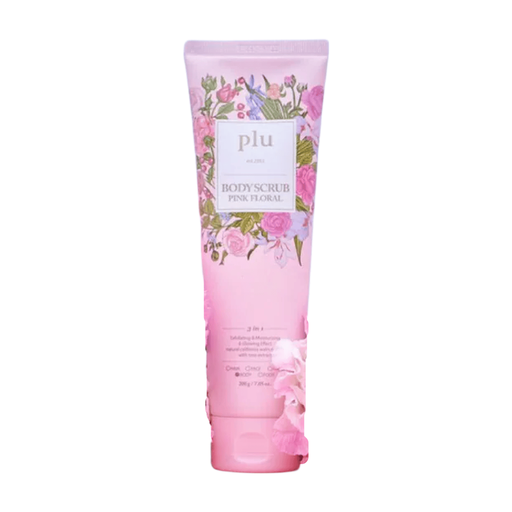
Why this product suits this profile: This body exfoliator is designed for straightforward body care, combining exfoliating and conditioning features in a 200 g size.
Its clear focus on the body reduces the risk of accidentally using a coarse product on your face. The stated pack size also makes it easier to compare prices.
Body product containing 200 g; according to the product description, free from 16 specified chemicals.
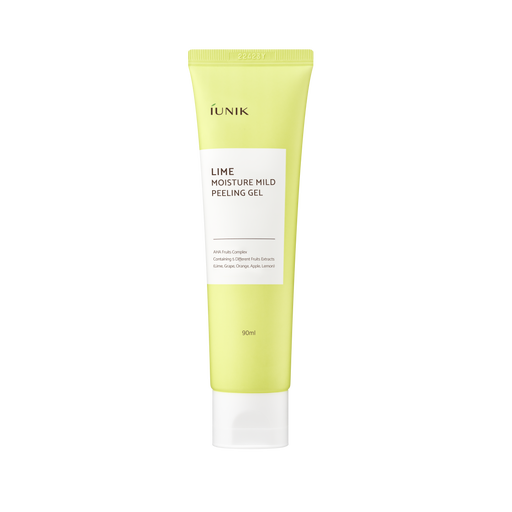
Why this product suits this profile: Apply the exfoliating gel to dry, cleansed skin. According to the product information, it’s suitable for all skin types.
Using it once or twice a week as directed helps prevent overuse. The product page also includes guidance for sensitive or irritated skin.
Gel texture; according to the stated INCI list, contains ingredients including glycerin, Centella asiatica extract and allantoin.
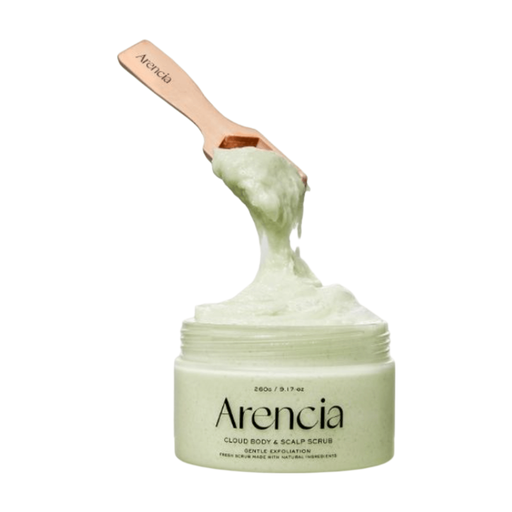
Why this product suits this profile: The product description says it can be used on the body and scalp. It may suit anyone who wants one product to care for both areas.
Its stated areas of use help prevent it being used incorrectly as a face exfoliator. The 260 g tub may be handy for regular body and scalp care.
According to the product description, it combines fine French salt with natural oils and is intended for the scalp and body.
We’ve put together a complete, regularly updated list of products that meet these strict selection criteria and fully comply with the safety regulations in force in the EU.
It depends on the product type and how well your skin tolerates it. Physical body exfoliators are often used once or twice a week. Acid-based products may need to be used less often, depending on the formula. Always follow the instructions on the packaging. If you have sensitive skin, start by using the product less frequently.
BHA products are often chosen for oily skin and clogged pores, as formulas may contain salicylic acid or betaine salicylate. A blackhead exfoliator shouldn’t be combined with vigorous rubbing or other strong active ingredients. Visible results can’t be guaranteed.
Look for a short ingredients list, use it infrequently and avoid vigorous rubbing. Consider fragrance, essential oils, alcohol and acids in light of your individual tolerance. A patch test is a good idea before first use. If discomfort persists, stop using the product and seek medical advice.