
Lieferung heute & morgen

Qualitätsgarantie

Willkommens-Angebote freischalten: KOSTENLOSE Lieferung | Bis zu 80 % RABATT | Kostenlose 30-Tage-JoyPlus-Testphase
App herunterladen
A good face care gel promises lightweight, refreshing care that absorbs quickly without leaving a greasy film. But the market is filled with products whose marketing claims often suggest more than their ingredient lists can deliver. Many users invest in gels that fail to solve their skin problems or even make them worse. This guide will help you identify the key features and make an informed choice.
As your Joybuy Product Recommendation Officer, I've made it my mission to separate fact from marketing fiction. Below, we'll highlight two common pitfalls and explain which parameters truly matter when making your selection.
To find the right product, you should focus on objective criteria rather than short-lived trends. Here are the two most important parameters to check before you buy.
The effectiveness of a gel depends on its active ingredients. Instead of looking for general promises, you should specifically look for formulas suited to your skin type.
The term "gel" can refer to either a cleansing product or a moisturiser.
Based on the objective criteria above, we have compiled a selection of products suitable for specific user profiles.
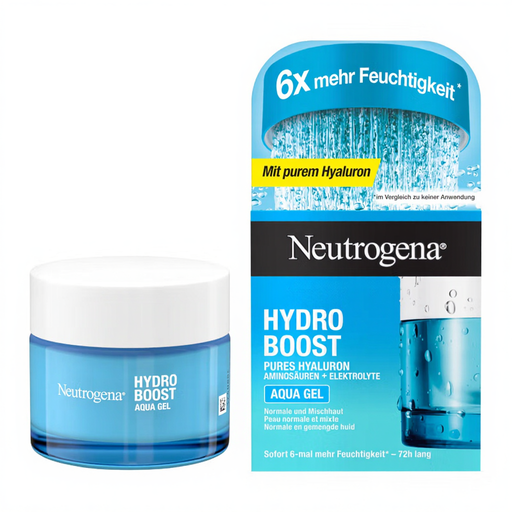
Why This Fits Their Persona: Ideal for users seeking intense yet lightweight hydration. The formula is suitable for normal and combination skin prone to dehydration, and it absorbs quickly without feeling sticky.
The gel is oil-free but relies on proven humectants like hyaluronic acid and plant-based trehalose, rather than potentially drying alcohol, for quick absorption.
According to the manufacturer, the Hyaluronic Gel Complex provides intense moisture. The lightweight texture doesn't clog pores and works well as a makeup base.
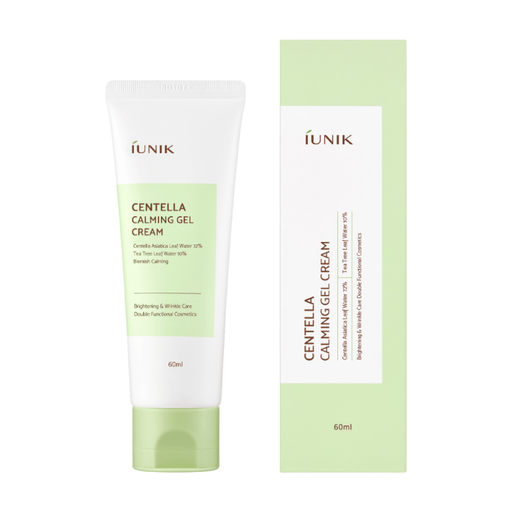
Why This Fits Their Persona: Perfect for individuals with sensitive, redness-prone skin who are looking for soothing yet hydrating care without a heavy feel.
Instead of potentially irritating alcohol or fragrance, this gel-cream relies on high concentrations of botanical extracts. The formula is designed to calm the skin, not irritate it.
According to the manufacturer, it contains 72% Centella Asiatica leaf water and 10% tea tree leaf water to soothe irritation. The lightweight texture provides moisture without being greasy.
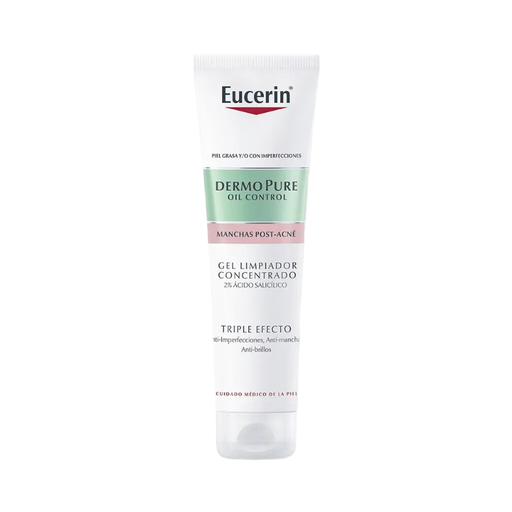
Why This Fits Their Persona: This cleansing gel is designed for users who want to actively combat blemishes, clogged pores, and excess sebum without disrupting the skin's balance.
Instead of relying on harsh, drying cleansing, this gel uses a targeted acid complex to clarify pores and renew the skin, while hyaluronic acid helps retain moisture.
According to the manufacturer, the formula contains 2% salicylic acid and an AHA/BHA/PHA complex to combat blemishes and post-acne marks and to smooth the skin's texture.
We have compiled a complete, up-to-date list of products that fully meet these strict selection criteria and current regulations.
Yes, but some skin types may need a richer moisturiser in the winter. You can use a hydrating gel as the first step after cleansing and then apply a protective cream on top (layering). Alternatively, you can switch to a soothing gel-cream, which often has a more nourishing texture.
A cleansing gel is typically water-based and lathers when it comes into contact with water. It is effective at removing excess sebum, making it a popular choice for oily and combination skin. A cleansing milk has a creamier texture, contains fats and oils, and cleanses without foaming. It is particularly gentle and therefore well-suited for dry and sensitive skin.
A hyaluronic gel is best applied to slightly damp skin after cleansing. This allows the hyaluronic acid to bind moisture more effectively. Afterwards, apply your usual day or night cream to lock the moisture into the skin.