
Lieferung heute & morgen

Qualitätsgarantie

Willkommens-Angebote freischalten: KOSTENLOSE Lieferung | Bis zu 80 % RABATT | Kostenlose 30-Tage-JoyPlus-Testphase
App herunterladen
Blackheads, a shiny T-zone and clogged pores are often caused by a combination of excess sebum, dead skin cells and residue from sunscreen or make-up. A suitable face cleanser for blackheads can remove these deposits as part of your daily routine. However, it is not a substitute for dermatological treatment and should not unnecessarily irritate the skin.
A very tight sensation after washing is often interpreted as a sign of thorough cleansing. However, it can also indicate that the skin has been overly stripped of its natural oils. With daily use, this can be uncomfortable and may compromise the skin barrier. What really matters is a suitable pH level, mild surfactants and a short contact time – not lots of foam or a strong fragrance.
A salicylic acid face cleanser or an AHA-BHA-PHA cleanser can be appealing for skin prone to blemishes. At the same time, acids are no guarantee of an even complexion. If you also use a coarse face scrub for blackheads every day, you increase the risk of stinging and redness. For sensitive skin, it is wise to start slowly.
Names like "Pore Clear", "Detox" or "Sebum Control" often describe a product's positioning. More informative are the INCI list, the usage instructions and the warnings. Check in particular:
For face cleansing for oily skin, cleansing agents that remove sebum and sunscreen residue are useful. A creamy foam texture can be pleasant, but it must be rinsed off thoroughly. If you have dry cheeks and an oily forehead, a mild gel cleanser in the morning and a more thorough cleanse in the evening may work better than a heavily degreasing product used twice daily.
Salicylic acid is a BHA ingredient used in many products for blemish-prone skin. The specific concentration and its position in the INCI list give more guidance than the product name alone. For the Some By Mi AHA/BHA/PHA Miracle Acne Clear Foam, the product information states a content of 5,000 ppm salicylic acid. For the Salicylic Acid Daily Gentle Cleanser, the product details indicate 0.5%. As formulations can change, always refer to the packaging.
AHA and PHA add exfoliating components to a cleanser. This does not automatically mean daily use is suitable for every skin type. When trying a new acid cleanser, it is advisable to start with a lower frequency. During the day, if your skin is sensitive, you should use a sunscreen.
A cleansing foam for spots can be economical thanks to its airy texture if a small amount is sufficient. Products with self-foaming action or exfoliating particles often require a specific application method. Pay attention to:
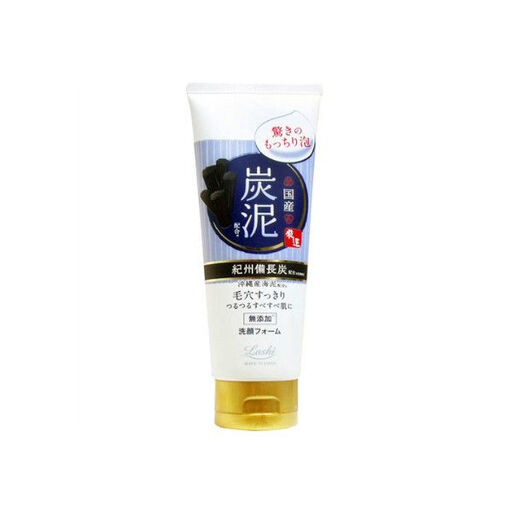
Why this product fits the profile: The 120 g tube is designed for simple daily cleansing. According to the product information, the Japanese foam formula contains Kishu Binchotan charcoal and Okinawa Kucha mud.
The selection is based not just on the term "Deep Pore", but on specifically named ingredients and clear dosage instructions.
Creamy foam texture, 120 g content and traceable Japanese origin information.
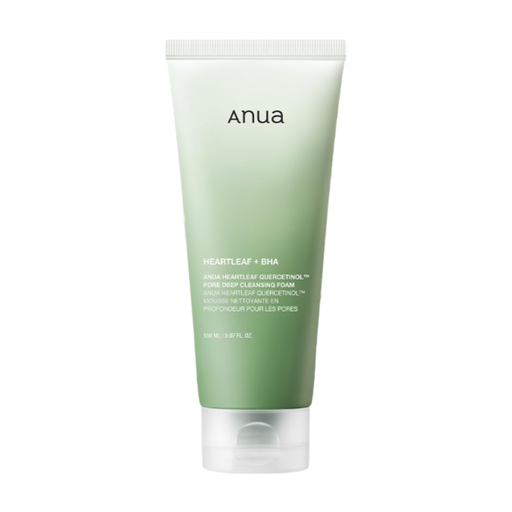
Why this product fits the profile: The product details mention a creamy micro-foam texture along with panthenol and allantoin. The formula is described as free from sulphates, alcohol and synthetic fragrances.
Instead of a purely fragrance or foam experience, the focus is on declared cleansing ingredients and a full INCI list.
150 ml content, dense foam texture and declared salicylic acid in the ingredients list.
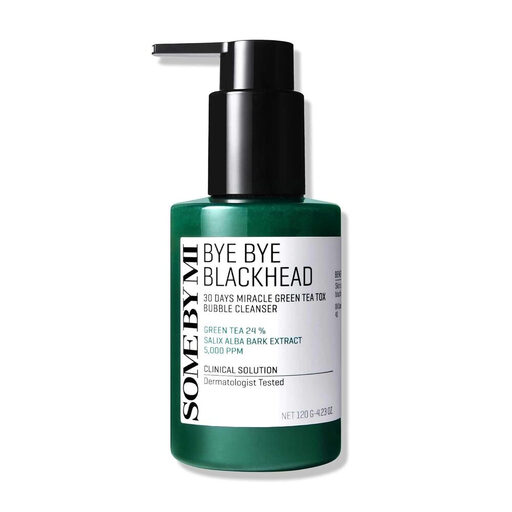
Why this product fits the profile: The product description recommends using it for daily cleansing as well as for pore care two to three times per week. The self-foaming gel is applied to dry skin.
The separate usage recommendation helps prevent an exfoliating cleanser from being used multiple times a day automatically.
Gel-to-foam texture, green tea water according to the product information, and a designated application for the nose, chin and T-zone.
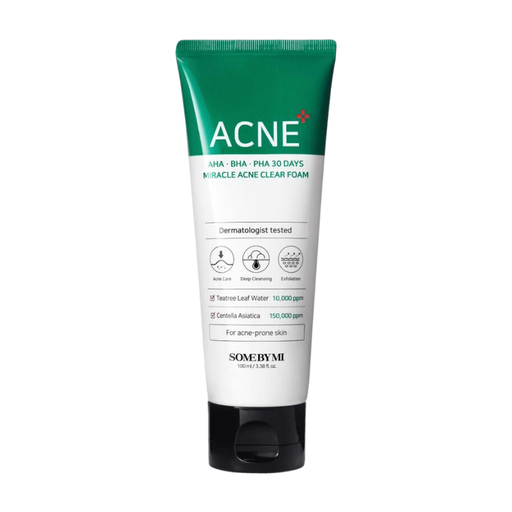
Why this product fits the profile: According to the product information, the formula combines AHA, BHA and PHA. This makes it suitable for those who want to incorporate exfoliating ingredients specifically into a face cleanser for blemish-prone skin.
The declared acid types make the formulation more transparent than vague references to "pore cleansing".
100 ml content, creamy foam and a declared combination of AHA, BHA and PHA.
Dampen your face and hands, lather a small amount and massage the foam into your skin for about 30 to 60 seconds without applying pressure. Avoid the eye area and any irritated or broken skin. Then rinse thoroughly with lukewarm water and pat dry.
With a pore cleanser containing acids or exfoliating ingredients, a patch test on your forearm or behind your ear is a cautious approach. If redness, itching, stinging or swelling occurs, stop using the product. For persistent skin concerns, it is advisable to consult a dermatologist.
We have compiled a complete, regularly updated list of products that fully meet these strict selection criteria and the safety regulations in force in the EU.
A mild cleanser can be used morning and evening depending on your skin's tolerance. Acid-based or exfoliating products should initially be used less frequently. Always follow the instructions on the packaging and your skin's reaction.
A cleansing foam can remove sebum, dirt and product residue. For blackheads, it is also relevant whether the formula contains exfoliating ingredients such as salicylic acid. However, a permanent change in skin blemishes cannot be guaranteed by a cleanser alone.
Refer to the symbol for the period after opening (PAO) as well as the expiry date or batch code on the packaging. Close the tube or pump bottle after each use and store it in a dry, cool place away from direct sunlight.