
Lieferung heute & morgen

Qualitätsgarantie

Willkommens-Angebote freischalten: KOSTENLOSE Lieferung | Bis zu 80 % RABATT | Kostenlose 30-Tage-JoyPlus-Testphase
App herunterladen
Choosing the right facial cleanser can be a challenge given the overwhelming number of options. Many products promise comprehensive results, but not all deliver on their marketing claims. An unsuitable cleanser can weaken the skin barrier, lead to dryness, or even encourage blemishes. This guide will help you understand the crucial criteria and make an informed choice based on your skin's actual needs.
Before we dive into product types, it's important to recognise common marketing traps that often lead to poor purchasing decisions.
To find the right product, you should focus on objective criteria rather than marketing promises. Here are the three most important parameters.
The type of cleanser determines its mechanism of action and suitability for different purposes.
The ingredient list is the key to evaluating a product. For a cleanser for sensitive skin, you should opt for formulas free of fragrance and alcohol. Ingredients like hyaluronic acid, glycerin, or panthenol (Vitamin B5) support hydration, while ceramides strengthen the skin barrier. A skin-friendly pH of around 5.5 helps maintain the skin's natural acid mantle.
The choice between a rinse-off product and a no-rinse solution depends on your personal preferences and lifestyle.
Instead of making a one-size-fits-all recommendation, we have matched products to specific user profiles.
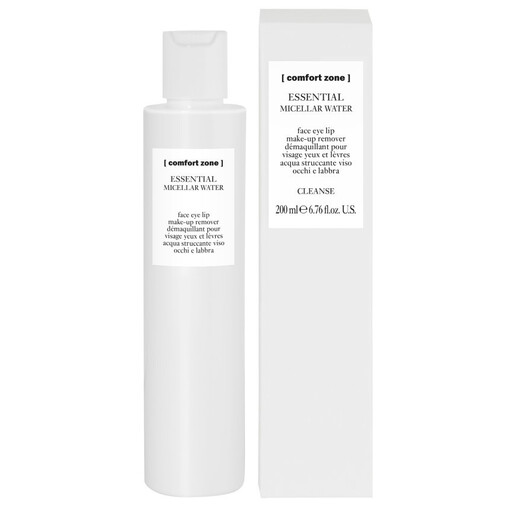
Why This Fits Their Persona: Ideal for individuals seeking a straightforward, fast, yet thorough cleansing solution. The 3-in-1 formula cleanses, removes makeup, and moisturises in a single step, with no water rinse required. Perfect for a minimalist skincare routine.
This product sidesteps the misleading "gentle" trap. The formula is fragrance-free and has been dermatologically tested, making it a reliable choice for sensitive skin. The ingredient Betaine is proven to preserve the skin's moisture balance.
The micellar technology enables effective cleansing without friction. The no-rinse formula offers maximum convenience and leaves the skin feeling fresh and hydrated.
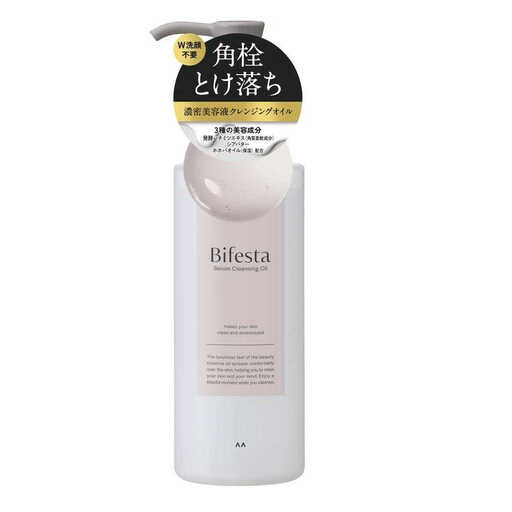
Why This Fits Their Persona: Perfect for users who wear long-lasting or waterproof makeup daily. A cleansing oil is the most effective way to thoroughly dissolve these products without stressing the skin through harsh rubbing. It's the ideal first step in a double-cleansing routine.
This is not a vague "all-in-one" product. It is a specialised makeup remover. The serum formulation counteracts the drying effect that can be an issue with some powerful cleansers, leaving the skin feeling hydrated.
High cleansing power for oil-based products like foundation and sunscreen. Emulsifies on contact with water and rinses off easily without leaving a greasy film.
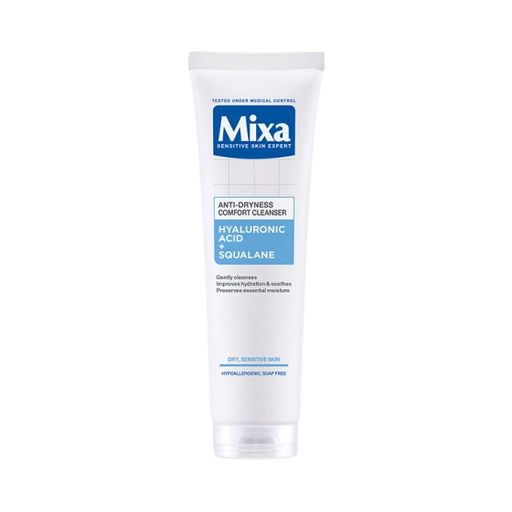
Why This Fits Their Persona: This wash gel was specifically developed for dry skin and offers an affordable solution for daily cleansing. It aims to purify the skin without stripping it of essential moisture, making it a great choice for everyday use.
Instead of relying on overhyped trend ingredients, this formula focuses on proven hydrators like glycerin and sodium hyaluronate (a form of hyaluronic acid). These ingredients are found high up on the INCI list, delivering real benefits.
Provides a hydrating cleanse in the form of a rinse-off gel. It leaves the skin feeling clean without the tightness often associated with dry skin.
We have compiled a complete, up-to-date list of products that fully meet these strict selection criteria and all applicable safety regulations.
1. Is double cleansing really necessary? Double cleansing is particularly beneficial for those who regularly wear heavy makeup or mineral sunscreen. The first step, using a cleansing oil, effectively dissolves these products, while the second step with a water-based cleanser (gel or foam) purifies the skin deep into the pores, removing all residue. For those who wear little to no makeup, a single, thorough cleanse is often sufficient.
2. Can micellar water completely replace a traditional cleanser? For a morning cleanse or for removing light makeup, micellar water can be a complete alternative. It's quick and straightforward. However, some skincare specialists advise rinsing the face with water after use, especially for acne-prone or very sensitive skin. This ensures that no potentially irritating surfactant residues remain on the skin.
3. How can I tell if a cleanser is too harsh for my skin? Typical signs of a cleanser that is too harsh include an immediate feeling of tightness after washing, a "squeaky-clean" sensation, redness, itching, or a noticeable worsening of dryness and flaking. A suitable cleanser should leave the skin feeling clean yet balanced and comfortable.