
Lieferung heute & morgen

Qualitätsgarantie

Willkommens-Angebote freischalten: KOSTENLOSE Lieferung | Bis zu 80 % RABATT | Kostenlose 30-Tage-JoyPlus-Testphase
App herunterladen
Choosing a face cleanser can be overwhelming given the sheer volume of products and marketing promises. A thorough facial cleanse is the foundation of any skincare routine, yet many products fail to deliver on their claims. This guide will help you understand the key criteria, sidestep common purchasing traps, and find the right face cleanser for your individual needs.
Common Pitfalls When Buying a Face Cleanser
To avoid a bad buy, focus on objective features rather than marketing messages.
Surfactants are the cleansing agents that dissolve dirt and oil. Their type and concentration determine the cleansing performance and how well your skin tolerates it.
A cleanser's texture is more than just a personal preference; it's tailored to specific uses and skin needs.
The skin's surface has a slightly acidic pH of around 4.7 to 5.75. This acid mantle fends off harmful microorganisms and keeps the skin barrier intact. A cleanser with a skin-friendly, slightly acidic pH supports this natural protective function. In contrast, products with a high (alkaline) pH can throw the skin off balance, making it more prone to dryness and irritation.
Here are some product recommendations tailored to specific user profiles and their needs.
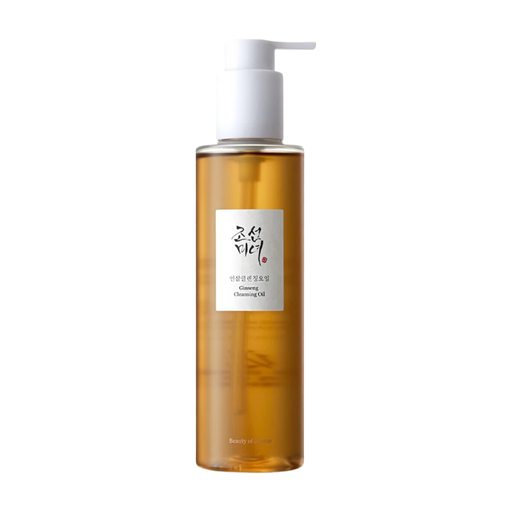
Why it's a match: This oil is an ideal starting point for K-Beauty cleansing. It serves as an effective makeup remover, dissolving sunscreen and daily build-up without drying out the skin. It perfectly preps the skin for the second cleansing step.
It debunks the myth that only a strong lather can cleanse. The oil-based formula gently dissolves impurities while nourishing the skin, rather than attacking its natural moisture barrier.
The formula with soybean oil and ginseng seed oil not only cleanses but also simultaneously provides the skin with nutrients.
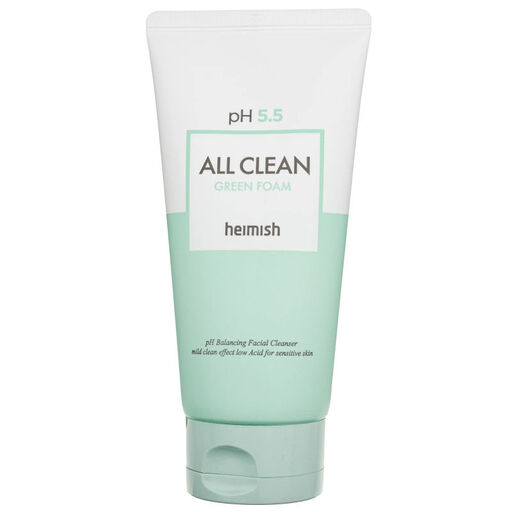
Why it's a match: This cleansing foam is designed for those seeking a thorough cleanse to control excess sebum. It's ideal for oily or combination skin prone to clogged pores.
It sidesteps the "one-size-fits-all" trap by clearly focusing on the needs of oily skin. Instead of aggressively stripping the skin, it uses clay to absorb sebum.
The formula with green clay helps to absorb excess sebum and impurities, leaving the skin feeling clean and fresh without any tightness.
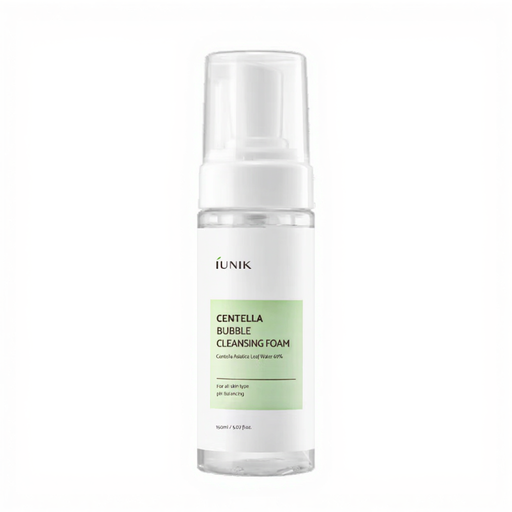
Why it's a match: This foam cleanser is specifically designed for the needs of sensitive and irritation-prone skin. It offers a very gentle facial cleanse that has a calming effect and doesn't irritate the skin.
It's the opposite of an aggressive, high-lather cleanser. The mild formula creates a gentle foam that cleanses without disrupting the delicate skin barrier or provoking redness.
According to the manufacturer, the product contains a high concentration of Centella Asiatica extract, an ingredient known for its soothing properties.
We've compiled a complete, up-to-date list of products that fully meet these strict selection criteria and rigorous safety standards.
For most skin types, cleansing twice a day is recommended: in the morning to remove sebum and sweat produced overnight, and in the evening to remove makeup, sunscreen, dirt, and environmental pollutants from the day. For very dry or sensitive skin, cleansing with just water in the morning may be sufficient.
Double Cleansing is a two-step cleansing method originating from Korean skincare. The first step uses a cleansing oil or balm to dissolve oil-based impurities. The second step involves a water-based cleanser (gel, foam) to completely clean the skin. This method is particularly beneficial for those who wear makeup or sunscreen daily. It is suitable for most skin types as it allows for a very thorough yet gentle cleanse.
A suitable face cleanser is a fundamental step in preventing blemishes, as it clears pores of excess sebum and dirt. However, for existing pimples and blackheads, it is often only part of the solution. Complementary products, such as a gentle exfoliating gel to remove dead skin cells or targeted treatments with ingredients like salicylic acid, may be necessary to effectively clear the pores.