
Lieferung heute & morgen

Qualitätsgarantie

Willkommens-Angebote freischalten: KOSTENLOSE Lieferung | Bis zu 80 % RABATT | Kostenlose 30-Tage-JoyPlus-Testphase
App herunterladen
A face cleansing gel should remove sweat, sebum, dust, sun cream and make-up residue without leaving your skin feeling uncomfortably dry or tight. But choosing one can be confusing: terms such as ‘Hydra’, ‘Aqua’ or ‘Sensitive’ don’t automatically mean the formula is right for you. What matters is the ingredients, how you use the product and your skin type.
This buying guide from the Joybuy Product Recommendation Officer will help you avoid common buying mistakes and choose a face cleansing gel for your daily facial cleansing routine.
A moisturising cleansing gel may contain ingredients such as glycerin, panthenol, hyaluronic acid or squalane. However, as the product is rinsed off, it doesn’t replace the skincare you apply afterwards. Terms such as ‘Hydro Boost’ or ‘Moisturising’ describe how a product is marketed; check the INCI list to see what the formula actually contains.
A rich lather isn’t a reliable measure of cleansing power. Some surfactants can leave skin feeling dry if used frequently. So, if you’re looking for a gentle face cleansing gel, check which surfactants it contains and don’t choose a product based only on its lather or fragrance.
Products labelled for sensitive skin can still contain perfume or essential oils. If you’re looking for a face cleanser for sensitive skin, it’s worth checking the full ingredients list. If you know you’re intolerant to certain ingredients, avoid those that cause you problems. Stop using the product if you experience redness, stinging or itching.
Surfactants lift dirt and skin oils so they can be rinsed away with water. Mild formulas may contain amino acid-based surfactants, coco-glucoside, betaines or sodium cocoyl isethionate, for example. This doesn’t automatically mean every formula will suit every skin type, but it’s a useful starting point when choosing a product.
For normal to dry skin, a cleansing gel that lathers moderately is often more comfortable than a formula that strips away a lot of oil. If you wear a lot of sun cream or waterproof make-up, also check whether the manufacturer specifically describes the product as a make-up removing face cleanser.
Glycerin, panthenol and sodium hyaluronate can contribute to the quality of a cleansing formula. However, if you’re considering a cleansing gel with hyaluronic acid, bear in mind that the short contact time doesn’t guarantee lasting skincare benefits. Here, hyaluronic acid is one ingredient in the formula, but it’s no substitute for a serum or cream applied afterwards.
For facial cleansing for dry skin, it’s also important that your skin feels comfortable after rinsing and that you use water at a suitable temperature. Lukewarm water is usually a better choice than very hot water, which can dry out your skin further.
Ingredients lists can change, so always check the information on the packaging of the product you receive.
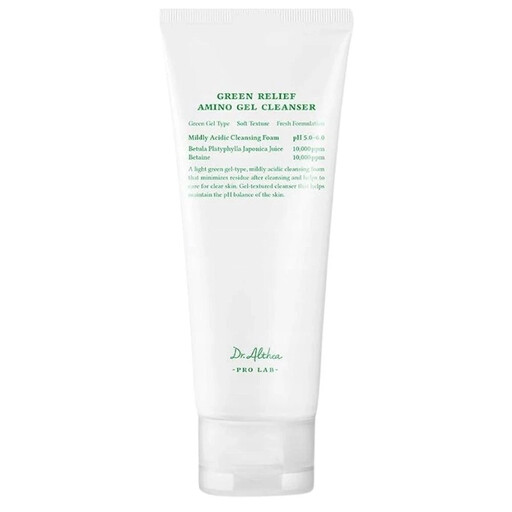
Why this product suits this profile: The 100 ml tube is a convenient size if you’re starting a daily cleansing routine. Apply the gel to damp skin, then rinse it off.
The formula lists sodium lauroyl glutamate, sodium cocoyl glutamate, glycerin and panthenol. This means you can assess it by looking at specific ingredients, rather than relying only on marketing terms.
Amino acid-based surfactants, 100 ml of product, plus panthenol and sodium hyaluronate according to the product information.
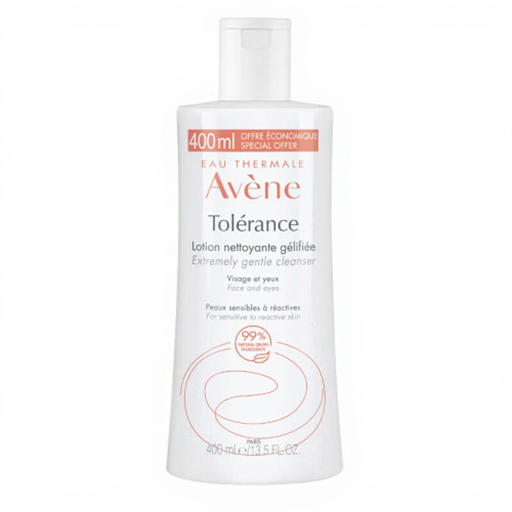
Why this product suits this profile: The generous 400 ml size and gel-like lotion make this a good choice if you want to include a simple cleanser for your face, eyes and lips in your routine.
The product description highlights a fragrance-free formula and use without rinsing. This cuts out an extra washing step, if this method suits your routine.
400 ml of product, labelled as fragrance-free and suitable for removing make-up according to the manufacturer’s description.
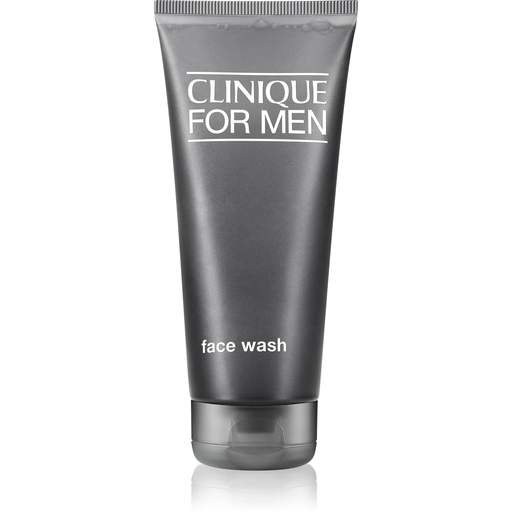
Why this product suits this profile: It’s designed for normal to dry skin and to prepare the skin for shaving. This makes the gel suitable for a combined face and beard care routine.
The product information specifically recommends using it before shaving and describes the formula as fragrance-free. It’s still worth checking the INCI list on the packaging before buying.
200 ml of product, labelled as suitable for normal to dry skin and for use before shaving.
We’ve put together a complete, regularly updated list of products that meet these strict selection criteria and fully comply with the safety regulations in force in the EU.
A cleansing gel doesn’t need to stay on your skin for long. Massaging it in for longer won’t necessarily remove more residue and may cause unnecessary friction, especially if you have sensitive skin. If you’re trying a new product, it may be helpful to test it on a small area of skin first.
Many products are intended for use in the morning and evening, according to their instructions. However, if you have dry or sensitive skin, using it less often may suit you better. What matters is how your skin feels and reacts, as well as its daily exposure to sweat, sun cream or make-up.
If you have dry skin, formulas containing glycerin, panthenol, hyaluronic acid or squalane may be worth considering. Your skin shouldn’t feel very tight after cleansing, and it’s best to avoid rubbing too hard. Find a suitable product in our selection of cleansing gels for dry skin.
Check the printed best-before date and the symbol showing how long the product can be used after opening. Keep the lid closed, avoid direct sunlight, and keep an eye on the product’s smell, colour and consistency. If you notice a significant change, stop using it.