If you can hang your face cloths up with plenty of space after the spin cycle and let them dry completely, a washing machine is usually the obvious place to start. If you don’t have the space, a washer-dryer could be a good fit, provided the amount of laundry you actually wash fits its wash-and-dry capacity. It’s also worth comparing energy and water use for the complete cycle. The consumer advice centre highlights that washer-dryers have different load capacities for washing and drying, and use more electricity and water than separate appliances. The European Commission lists energy label figures for washing and for washing and drying separately.
Which option is right for you?
Households with no space for drying
If you can’t hang even a few face cloths up with plenty of space, the washer-dryer’s drying capacity, the appliance dimensions and energy use are all important factors. The consumer advice centre points out that washer-dryers have different load capacities for washing and drying.
Households with limited drying space
If you can hang a few cloths up, check whether they’ll dry completely there and whether you can manage humidity in the room by airing it regularly. The German Environment Agency recommends paying particular attention to regular ventilation when drying damp laundry indoors.
Households that prioritise hygiene
If you wash face cloths frequently, consider the care label, how soiled they are and which programme to use, then make sure they dry completely. For hygiene reasons, the German Environment Agency recommends washing towels at 40 or 60 °C; this isn’t a blanket temperature recommendation for every face cloth.
What should you consider when buying?
Washing machine and air-drying
A good fit if: You have a well-ventilated place to dry the face cloths you need to wash, and can manage humidity in the room by airing it.
Trade-off: The cloths still need space to dry; spinning alone won’t dry them.
Washer-dryer
A good fit if: You don’t have enough space to hang the cloths up or room for two appliances, and your laundry load fits the stated wash-and-dry capacity.
Trade-off: The load capacity for washing may differ from the capacity for drying. Compare the energy label figures for the complete cycle separately.
Washing machine and separate heat-pump tumble dryer
A good fit if: You have space for both appliances and regularly want to machine-dry more than just a few face cloths.
Trade-off: You’ll need to plan space for two appliances, so you won’t get the space-saving benefit of a combined washer-dryer.
First, decide whether the cloths can dry completely in the air. Then consider the right load capacity and the energy use for the way you actually plan to use the appliance.
| Priority |
What to check when buying |
Who is this especially important for? |
| Drying without space for a clothes airer |
Check the wash and wash-and-dry load capacities separately; check the dimensions and energy use per complete cycle. |
If I don’t have space to hang the cloths up, I want to dry them in the appliance and know its stated capacity for drying. Around 33% of consumers say a lack of drying space is their top concern. |
| Small loads |
Check whether you can wash them with other suitable items and what load the programme you want to use allows. |
If I usually wash just a few face cloths, I want to be able to wash them with other suitable items without exceeding a programme’s load limit. Around 27% of consumers prioritise finding an option that works for small loads. |
| Washing and drying |
Check the care label against the washing programme and plan how to dry the cloths completely. |
If I want to care for frequently used cloths properly, I want to choose the temperature and programme to suit the fabric, then dry the cloths afterwards. Around 20% of consumers put this need first. |
| Running costs |
For washer-dryers, compare the energy label figures for washing and for a complete wash-and-dry cycle separately. |
If I plan to machine-dry laundry regularly, I want to consider the energy use of the complete cycle, not just the washing figure. Around 20% of consumers prioritise the running costs of how they plan to use their appliance. |
Pitfalls when buying a washing machine or washer-dryer
-
Assuming the wash capacity is the same as the drying capacity
A washer-dryer may have different permitted load capacities for washing and drying. For example, AEG lists a wash capacity of 8 kg and a drying capacity of 5 kg for the L7WBA60680.
If you want to wash and dry without taking anything out between cycles, check the stated wash-and-dry capacity.
If your wash load is bigger than the drying capacity, you may need to run an extra drying cycle or find somewhere else to dry the remaining laundry.
-
Assuming a short or steam programme automatically guarantees hygiene
The programme duration or additional features alone don’t tell you whether a programme is right for the fabric and how soiled it is.
Check the care label, programme description and suitable washing temperature together, then make sure the cloths dry completely.
-
Comparing only the washing figure on the energy label
For washer-dryers, figures for washing and for the complete wash-and-dry cycle are shown separately. If you look only at the washing figure, you’ll miss the energy use involved in the drying you’re planning.
Compare figures on the same label and cycle basis, and consider how often you actually plan to machine-dry your laundry.
Overlooking energy use for the complete cycle can give you a misleading picture of the appliance’s running costs for electricity and water.
Brands and models to consider
AEG
The L7WBA60680 and L9WEF80690 washer-dryers offer different drying technologies and load capacities.
- According to AEG, the L7WBA60680 has an 8 kg wash capacity and a 5 kg drying capacity. The manufacturer lists a 9 kg wash capacity and a 6 kg wash-and-dry capacity for the L9WEF80690.
- AEG gives the L9WEF80690 an energy label figure of 252 kWh per 100 wash-and-dry cycles. This is a figure for standardised cycles, not a measurement for individual face cloths.
Bosch
The WUU28T48 front-loading washing machine is an example of the washing-machine option, followed by air-drying.
- Bosch lists a maximum load of 8 kg, a spin speed of up to 1400 rpm and AquaStop for this model.
- These specifications describe a washing machine and don’t indicate a drying function. Whether its capacity suits your household depends on the rest of your laundry.
Siemens
According to Siemens, the WN44G243 washer-dryer combines washing and drying functions.
- Siemens lists a wash capacity of 10.5 kg and a capacity of 6 kg for washing and drying.
- A higher rated capacity for washing doesn’t mean the same amount of laundry can be dried without removing some of it first.
Beko
The BM3WFU4741N front-loading washing machine is an example of a washing-machine option with a rated capacity of 7 kg.
- Beko lists a maximum spin speed of 1400 rpm and a maximum load of 2 kg for the Xpress quick programme.
- The quick programme’s load limit isn’t the same as the washing machine’s rated capacity.
Joybuy product selection
This selection includes washing machines for the option of air-drying afterwards, as well as compact appliances with washing and spin-drying or tumble-drying functions for small amounts of laundry.
 No image available
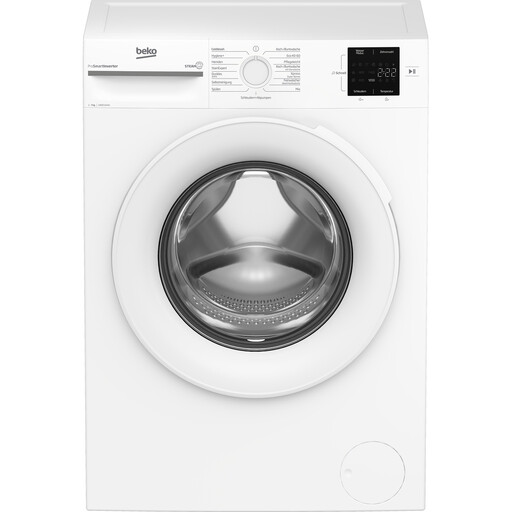
Beko BMMWFU374A, 7 kg front-loading washing machine with 1400 rpm spin speed
Could suit you if you’re looking for a washing machine and can dry the cloths afterwards in a suitable place.
7 kg capacity, maximum spin speed of 1400 rpm, SteamCure and energy class A according to the product name.
View at Joybuy
 No image available
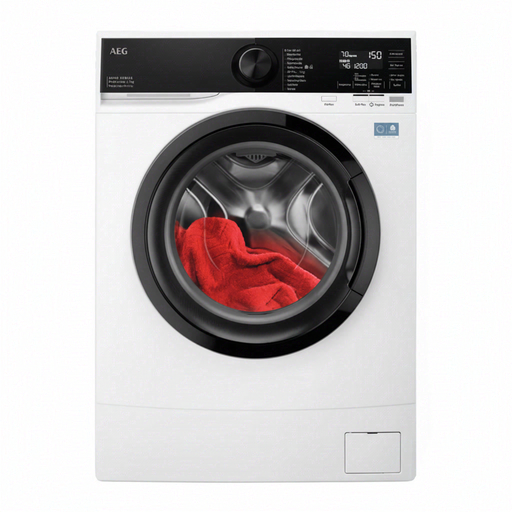
AEG LSR6FA75470 Series 6000 Slim, 7 kg washing machine
Worth considering if you’re looking for a washing machine with a 7 kg capacity and can hang the face cloths up afterwards.
Maximum spin speed of 1400 rpm, ProSense®, Anti-Allergy steam programme and energy class A according to the product name.
View at Joybuy
 No image available
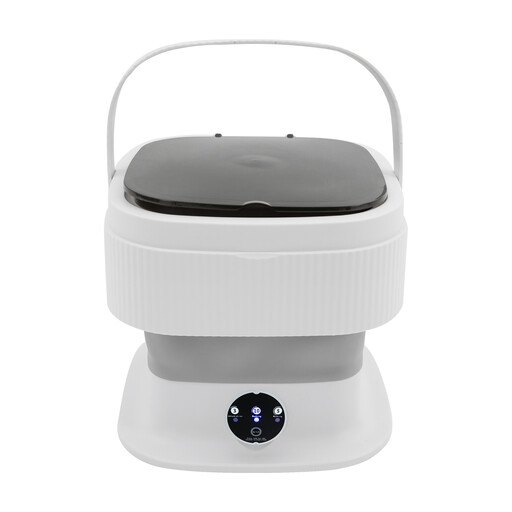
Foldable 10 L mini washing machine with dual-rotation wash action
Could be useful for small loads of textiles you want to wash separately. Check that the capacity suits your needs before buying.
10 L, foldable design and semi-automatic operation according to the product name.
View at Joybuy
 No image available
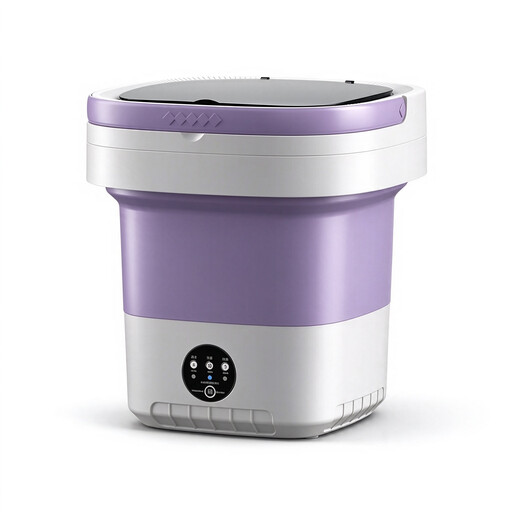
Foldable 12 L mini washing machine with spin dryer
Could work for small loads if you’re looking for a compact way to wash laundry; spinning doesn’t replace drying it completely.
12 L, three wash modes and spin dryer according to the product name.
View at Joybuy
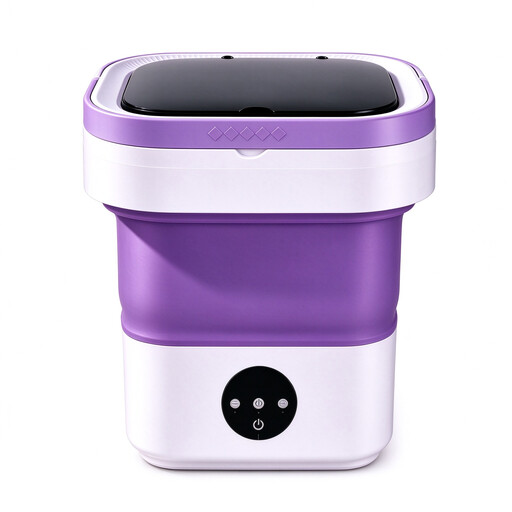 No image available
3-in-1 foldable mini washing machine, 12LZSZDXYJ
Could be useful for small loads of textiles if you’re looking for a compact appliance with washing and drying functions.
12 L washing capacity and up to 1.5 kg of clothing according to the product description. Keep the air outlet clear when drying, don’t leave the appliance unattended while it’s running, and don’t dry textiles contaminated with petrol or alcohol.
View at Joybuy
Frequently asked questions
What temperature should I wash face cloths at?
Start by checking the care label and taking into account how soiled the cloths are. For hygiene reasons, the German Environment Agency recommends washing towels at 40 or 60 °C. This isn’t a blanket recommendation for every face cloth, or proof that any quick programme will have the same effect.
Can I dry laundry in a small room?
It depends on whether the cloths can dry completely and the moisture can be removed. The German Environment Agency recommends paying particular attention to regular ventilation when drying damp laundry indoors.
How do I compare a washer-dryer’s energy use?
On the EU energy label, compare electricity use per 100 cycles separately for washing and for a complete wash-and-dry cycle, along with the corresponding water use. The European Commission lists these figures for standardised test cycles; they aren’t a personalised estimate of your annual bill.
Which load capacity matters if I want to dry laundry without taking anything out?
The important figure is the stated capacity for a complete wash-and-dry cycle, not just the washing capacity. Compare both figures for the model you’re considering, as the permitted drying load may be lower.


