
Lieferung heute & morgen

Qualitätsgarantie

Willkommens-Angebote freischalten: KOSTENLOSE Lieferung | Bis zu 80 % RABATT | Kostenlose 30-Tage-JoyPlus-Testphase
App herunterladen
A face cream should provide moisture, spread comfortably and suit your individual skin profile. However, bold promises on packaging do not automatically lead to the right purchase. A cream for dry skin may feel too rich on oily skin, while a lightweight lotion may not be enough in winter. Terms such as “soothing”, “oil-free” or “anti-aging” also do not always describe a consistent product profile.
This buying guide helps you compare texture, ingredients, sun protection and intended use objectively.
A face moisturiser may be suitable for many skin types, yet people can react differently to fragrances, alcohol, essential oils or certain preservatives. For sensitive skin, the complete INCI list is therefore more important than a general label.
Products containing Centella Asiatica or ceramides may offer interesting ingredient profiles. However, this does not justify a blanket promise that they will soothe or repair the skin. If you know your skin is sensitive, a patch test on a small area is recommended.
A day cream with SPF 50 can simplify your daily routine, but it does not automatically replace sufficient sunscreen application. What matters is an appropriate sun protection factor, an even amount and reapplication during prolonged outdoor activity.
A regular face cream without clearly stated UV protection is not equivalent to sunscreen. If you are looking for skincare with sun protection, check the specific labelling for UVA and UVB protection.
An oil-free face cream may have a lightweight, water-based texture. It can nevertheless contain humectants, silicones, alcohol, fragrances or chemical UV filters. For oily skin, texture, finish and personal tolerance should therefore be assessed together.
For blemish-prone skin, you should also check whether additional active ingredients such as salicylic acid are included. These may be useful in certain routines, but excessive use can contribute to dryness or irritation.
Ceramides are skin-identical lipids and can be found, for example, in products such as the Toplan Children's Cream and the SKIN1004 Madagascar Centella Soothing Cream. Centella Asiatica is included in VT Cosmetics Cica Cream Plus, Haruharu Wonder Gel Cream and the SKIN1004 cream.
These details describe the formulation and do not automatically indicate a medical effect. In the case of significantly irritated, inflamed or damaged skin, a cosmetic product should not be used as a substitute for professional assessment.
A lotion with a pump dispenser can be practical for both morning and evening routines. Tubes are well suited to hygienic, measured dispensing and travel. Pay attention to:
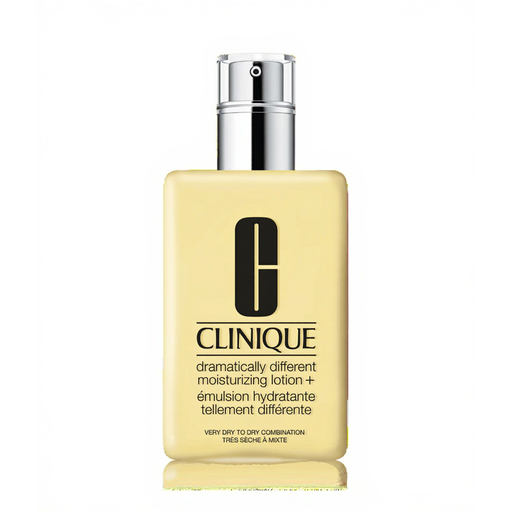
Why it is a good fit: According to the product description, the lotion is intended for very dry to dry combination skin and is fragrance-free.
Its suitability for dry skin is clearly stated. If you are sensitive to lanolin or sesame oil, pay particular attention to the ingredient list.
125 ml; pump dispenser; glycerin, urea and sodium hyaluronate according to the stated INCI list; no added fragrance.
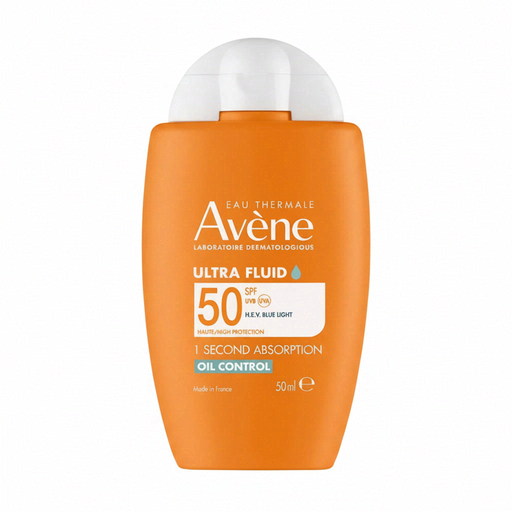
Why it is a good fit: The ultra-fluid is described as suitable for oily, sensitive skin and combines daily skincare with a stated SPF 50.
The texture, SPF rating and suitability for oily skin are specified clearly. However, the level of UV protection still depends on applying a sufficient amount and reapplying.
SPF 50; oil-free or Oil-Control profile according to the product name; fragrance-free; water-resistant formulation according to the supplier's information.
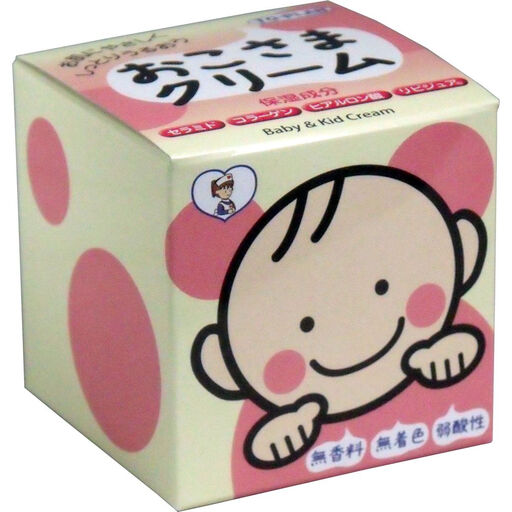
Why it is a good fit: The children's cream is intended for use on the face and body, making it suitable as a family product.
The product information describes a fragrance-free, colourant-free, mildly acidic formulation. According to the product notice, it should not be used on visibly altered skin.
110 g; ceramides NP, AP and EOP; hyaluronic acid; for face and body; application by adults when used on young children.
Our selection includes further products with different textures, ingredients and areas of application for daily facial skincare.
Apply face cream to cleansed skin. When using several products, apply the lightest texture first, followed by richer skincare. In the morning, sunscreen should be the final step in your skincare routine.
For products containing salicylic acid, such as Odol Facial Cream or Pixi Clarity Lotion, follow the directions for use carefully. Sun protection is particularly important during the day. Introduce new products one at a time initially so that any reactions can be identified more easily.
For babies and children, follow the relevant age recommendations and warnings on the packaging. A baby cream intended for the nappy area is not automatically suitable as a face cream for adults.
Lightweight lotions, gel creams or an oil-free face cream may be suitable for oily skin. Look for a finish that does not feel too heavy, check the specific INCI list and, where relevant, look for an indication of a mattifying finish. If active ingredients are included, increase usage gradually.
The key factors are the PAO symbol, the best-before date and storage conditions. If the smell, colour or consistency changes, discontinue use. Keeping the container tightly closed and storing it away from direct sunlight helps preserve the intended product quality.
If you want UV protection in your everyday routine, a day moisturiser with SPF 50 can be convenient. It should be applied in a sufficient, even layer and reapplied during extended time outdoors. For intense sun exposure, follow the instructions for the specific sunscreen product and use additional protective measures.