
Lieferung heute & morgen

Qualitätsgarantie

Willkommens-Angebote freischalten: KOSTENLOSE Lieferung | Bis zu 80 % RABATT | Kostenlose 30-Tage-JoyPlus-Testphase
App herunterladen
An anti-ageing cream should suit your skin, skincare goals and daily routine. But eye-catching terms such as “lifting”, “glow” or “regeneration” don’t automatically mean you’ve found the right product. What matters is the ingredients, how well your skin tolerates them, how to use the cream and its sun protection.
Retinol, hyaluronic acid, collagen and vitamin C are common ingredients in anti-wrinkle creams. But simply seeing them listed tells you nothing about their concentration, formulation or how well they’ll suit your skin. A retinol cream, for example, may be worth considering for some skin types, but it should be introduced gradually.
A collagen cream isn’t automatically a firming face cream, either. Collagen in a formula may mainly contribute to skincare and how the skin feels. Claims about visible changes should always be understood as product-specific statements from the manufacturer, not as medical effects.
A day cream should sit well under make-up and may also contain a sun protection factor. An anti-wrinkle night cream is often richer and applied in the evening. If you use a cream during the day without adequate UV protection, you’ll also need a suitable sunscreen in strong sunlight.
Perfume, essential oils, alcohol and certain preservatives may be a concern for sensitive skin. It’s therefore worth checking the full INCI list. When trying a new face cream, patch test it on a small area of skin before applying it more widely.
A richer, moisturising face cream with glycerin, shea butter, squalane or hyaluronic acid may suit dry or mature skin. For normal or combination skin, a lighter gel-cream is often preferred. The texture shouldn’t leave your skin feeling tight or an unpleasant greasy film.
If you have sensitive skin, it’s worth checking carefully for perfume, alcohol and essential oils. A cream described as “for all skin types” won’t necessarily suit everyone equally well.
The order of ingredients in the INCI list gives a rough indication of their relative amounts, but it doesn’t replace checking how well your skin tolerates them.
An anti-ageing cream is usually applied to the face and neck after cleansing. If you’re using a day cream with a sun protection factor, the stated level of protection is only realistic if you apply enough and reapply after prolonged sun exposure. SPF 15 or SPF 30 won’t automatically replace a separate sunscreen with a higher sun protection factor in strong sunlight.
It’s particularly important to follow the packaging instructions when using retinol products. According to the product information, beginners should initially use Neutrogena Retinol Boost Anti-Ageing Day Cream only two or three times a week. During pregnancy and breastfeeding, use vitamin A products only after consulting a healthcare professional.
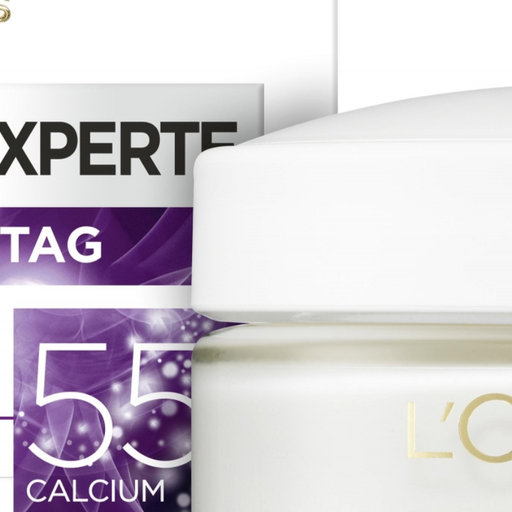
Why this product suits this profile: According to the product description, this day cream is designed for mature skin and is applied to the face and neck in the morning. Glycerin, Dimethicone and Mineral Oil are listed in the INCI.
Its clear morning application makes it easy to identify as a day cream. Check for fragrance and review the full ingredients list before buying.
50 ml pot, morning application and a rich formula with glycerin and nourishing lipids.
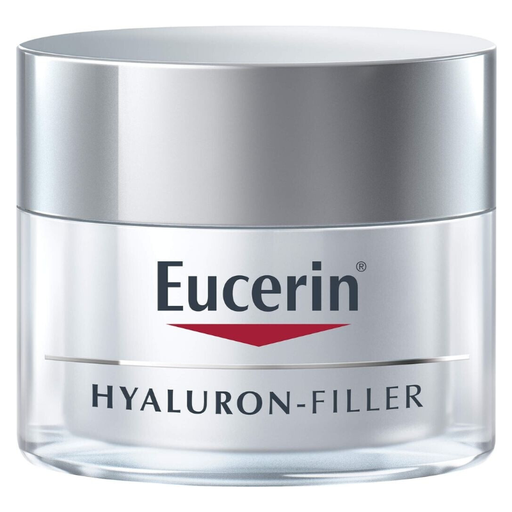
Why this product suits this profile: This day cream combines Sodium Hyaluronate with a stated SPF 30. According to the product information, it’s designed for the face, neck and décolletage.
The sun protection factor is clearly stated, rather than being mentioned only as a general “anti-ageing” claim. Remember to use additional sun protection in strong sunlight.
SPF 30, hyaluronic acid and a lightweight texture that, according to the product description, can be worn under make-up.
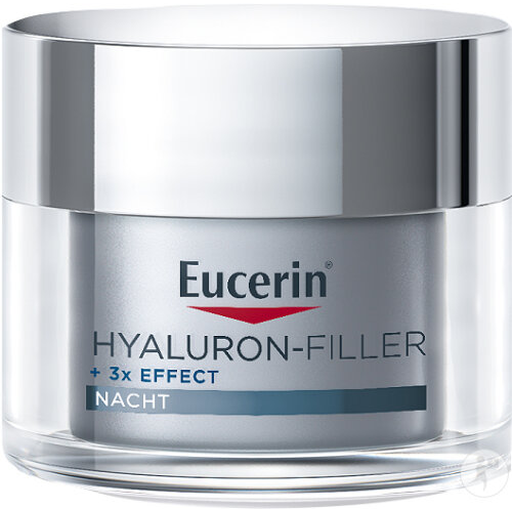
Why this product suits this profile: This night cream is designed for use on the face, neck and décolletage in the evening. Its formula includes glycerin, shea butter, panthenol and Sodium Hyaluronate.
Using it separately in the evening helps you keep day and night skincare distinct, each with a clear purpose. Check for fragrance and potential allergens before use.
For your evening routine, in a 50 ml size, with moisturising ingredients such as hyaluronic acid, glycerin and panthenol.
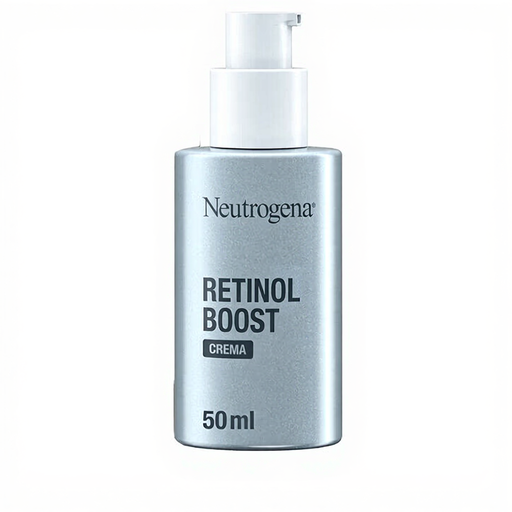
Why this product suits this profile: The formula contains retinol, Sodium Hyaluronate and glycerin. It’s aimed at people who want to gradually introduce a retinol cream into their skincare routine.
The product warning notes that it may cause irritation and increased sensitivity to light. Introduce it gradually and use sun protection every day.
Retinol, hyaluronic acid and a lightweight texture, according to the product description; suitable for a clearly structured morning or evening routine.
We’ve put together a complete, regularly updated list of products that meet these strict selection criteria and fully comply with the safety regulations in force in the EU.
Use your skincare regularly and follow the manufacturer’s instructions. You can often assess how your skin feels sooner than you can judge longer-term changes. When trying new ingredients such as retinol, it’s sensible to let your skin get used to them gradually. Stop using the product if you experience burning, redness or a rash.
That depends on the sun protection factor, how much you apply and your exposure to the sun. A day cream with SPF 30 can be a practical addition to your everyday routine. In strong sunlight, when spending longer outdoors or if you have sensitive skin, we recommend applying a separate sunscreen with a suitable level of protection.
Hyaluronic acid is mainly used for its moisture-binding properties. Collagen-containing formulas may affect how your skin feels and its softness. For dry or mature skin, the overall formula, nourishing lipids, how well your skin tolerates the product and consistent use are also important.