
Lieferung heute & morgen

Qualitätsgarantie

Willkommens-Angebote freischalten: KOSTENLOSE Lieferung | Bis zu 80 % RABATT | Kostenlose 30-Tage-JoyPlus-Testphase
App herunterladen
A face cream for all skin types sounds like a practical solution. In reality, however, dry, sensitive, oily and blemish-prone skin can differ considerably in terms of texture, care needs and tolerance. A cream described as “universal” may feel pleasant, but it will not necessarily suit everyone equally well.
Our selection focuses on clear, practical criteria: ingredients, skin feel, pack size, application and the manufacturer’s guidance. This makes it easier to avoid common mistakes when buying a face moisturiser.
This wording usually describes a broad target group, but it does not replace an individual assessment. Very dry skin often needs a richer texture, while oily or blemish-prone skin may get on better with a lightweight lotion or gel cream. For sensitive skin, you should also check for fragrances, essential oils and any known personal triggers.
Terms such as hyaluronic acid cream, ceramide cream or barrier repair cream are often central to product marketing. However, the entire formula is what matters. Glycerine, oils, fatty alcohols, silicones and skin-like lipids also influence the skin feel and hydration. One prominent ingredient alone is not a reliable measure of quality.
A rich cream can be beneficial for dry skin, but a shiny or sticky finish is not pleasant for every routine. If you wear make-up, work in warm indoor spaces or tend towards oily skin, look for a fast-absorbing, non-greasy face cream. For very dry skin, on the other hand, a lotion alone may be too lightweight.
Ceramides and cholesterol are ingredients used in formulations to support the skin barrier. Hyaluronic acid is often present in cosmetics in several forms, such as Sodium Hyaluronate or hydrolysed hyaluronic acid. It binds water in the formulation and helps create a hydrated skin feel.
Niacinamide may be included in different concentrations. A higher concentration is not automatically more comfortable for sensitive skin. You should also check the complete INCI list on the packaging, as formulas can change.
The price per jar is not particularly informative. Instead, compare millilitres or grams, how easy the product is to dispense and how much is needed per application. A pump dispenser can be hygienic and practical, while a jar has a wider opening and often requires a different way of dispensing the product.
For a face and body moisturiser, a large 500 ml format can be economical if the product is genuinely used on both areas. For targeted facial care, however, 50 to 100 ml will often last for a longer period.
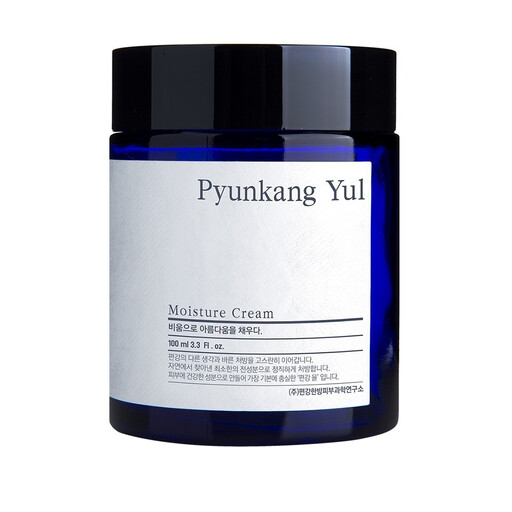
Why this product suits this profile: The 100 ml cream is intended for daily use on the face and décolletage and, according to the product description, is suitable for all skin types, including sensitive, blemish-prone and oily skin.
The brand states that the formula is free from perfume, silicones and parabens. This makes it easier to choose for people who prefer to avoid certain groups of ingredients.
According to the product information, it contains jojoba oil, shea butter and Japanese root extract. The creamy texture is designed to absorb without leaving a greasy or sticky residue.

Why this product suits this profile: The formula is aimed at shoppers looking for Korean barrier-supporting skincare with several hydrating ingredients.
Rather than promoting just one active ingredient, the INCI list includes ceramides, cholesterol and several forms of hyaluronic acid. Individual tolerance nevertheless remains personal.
According to the product information, the 50 ml formula contains ceramides, cholesterol, plant oils and seven listed hyaluronic acid derivatives.
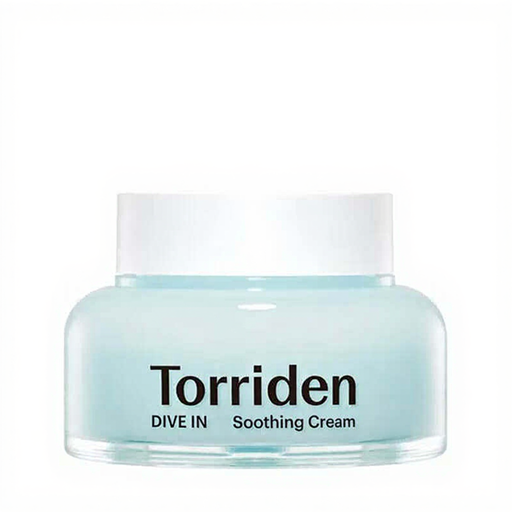
Why this product suits this profile: The 100 ml cream is described as suitable for all skin types and is designed for routines that favour a lightweight, hydrating skin feel.
The manufacturer’s information mentions a non-sticky application and several humectants. This offers a practical alternative to very occlusive textures.
The INCI list contains several forms of hyaluronic acid, as well as glycerine, panthenol and allantoin.
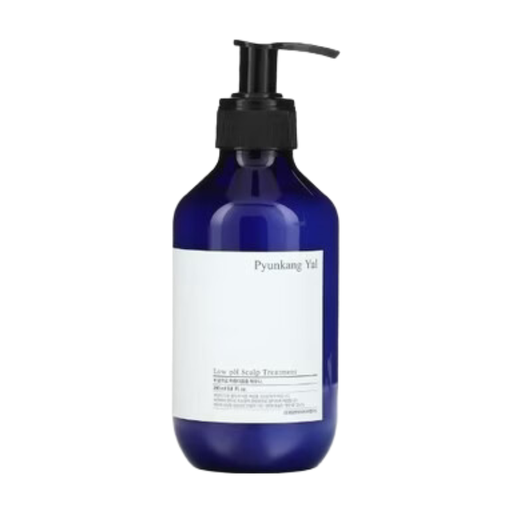
Why this product suits this profile: The large format is suitable for people who want to use one lotion for both face and body and reapply regularly.
It is not limited to use on the face. This makes the large quantity practical, rather than oversized for facial care alone.
According to the ingredients list, it contains glycerine, Sodium Hyaluronate and five forms of ceramides. The manufacturer recommends applying it to skin that is still slightly damp.
We have put together a complete, regularly updated list of products that fully meet these strict selection criteria and the safety regulations applicable in the EU.
Apply the cream after cleansing. With products containing hyaluronic acid, slightly damp skin can help create a comfortable skin feel. Start with a small amount and spread it over your face and neck. In the morning, follow with a sun protection product if this forms part of your routine.
When using a new Korean face cream, it is advisable to carry out a patch test on a small area of skin. If you experience burning, redness, swelling or itching, stop using the product. Products should not be applied to open or damaged skin or allowed to come into contact with the eyes.
Look for a straightforward formula with humectants such as glycerine; ceramides and nourishing lipids may also be beneficial. A fragrance-free option can make choosing easier. Even so, individual tolerance should be checked with a patch test.
Yes, a lightweight lotion or gel cream may be suitable for oily skin. Look for a non-heavy texture and start by using a small amount. Claims such as “for blemish-prone skin” or “non-comedogenic” come from the respective product marketing and are not a guarantee that the product will suit every skin type.
The printed best-before date and the PAO symbol on the packaging are the key points to follow, such as an open-jar symbol showing a number of months. Store the cream in a cool, dry place away from direct sunlight. If its smell, colour or consistency changes, stop using the product.