
Lieferung heute & morgen

Qualitätsgarantie

Willkommens-Angebote freischalten: KOSTENLOSE Lieferung | Bis zu 80 % RABATT | Kostenlose 30-Tage-JoyPlus-Testphase
App herunterladen
A face cream for blemish-prone skin should deliver hydration without leaving a heavy feel on the skin. At the same time, many adults want a product that addresses redness, supports the skin barrier, or fits seamlessly into an existing routine. However, choosing the right one isn’t simply a matter of looking for terms like “anti-spot” or “clarifying”.
An oil-free formula can appeal to those with oily skin, but on its own it says nothing about tolerance or the overall composition. Fragrances, essential oils, acids, or certain plant extracts can also be relevant for sensitive skin. What really matters is the full INCI list on the packaging.
Salicylic acid, fruit acids, niacinamide, or plant extracts are often combined in an acne cream or spot cream. However, using several active products at once can cause dryness, tightness, or redness. A simple routine with a cleanser, suitable moisturiser, and daytime sun protection is usually easier to manage.
A face cream for acne-prone skin is a cosmetic skincare product. Persistent, painful, or severely inflamed skin changes should be checked by a doctor. If you have a known allergy, damaged skin, or recurring strong irritation, individual advice is recommended.
For blemish-prone and oily skin, lightweight humectants such as glycerin can be helpful. Niacinamide and zinc compounds are found in some formulations and are often used in skincare for oily or blemish-prone skin. However, you cannot automatically assume a specific effect on individual skin concerns.
For dry or sensitive skin, panthenol, centella asiatica, ceramides, or squalane may be of interest. If you are looking for a soothing face cream or a cream for redness, you should also look for a simple formula and introduce it gradually.
A lightweight gel-cream can feel more comfortable under make-up, while a richer cream is better suited to dry areas or your evening routine. The product description should also give clear guidance on amount and application. Usually, a small amount is applied to clean, dry skin.
For products containing salicylic acid, glycolic acid, mandelic acid, or other exfoliating ingredients, a gradual introduction is sensible. During the day, use a suitable sunscreen if the product information indicates increased sensitivity to light.
The term non-comedogenic face cream can be a useful guide for skin prone to clogged pores. However, it is not a general promise of tolerance. Also check:
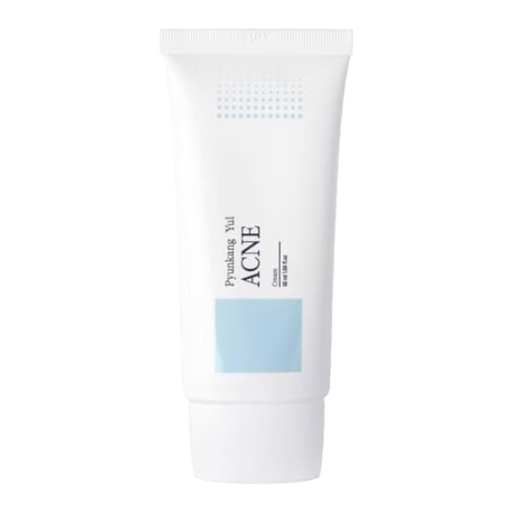
Why this product fits the profile: The formula contains, among other things, glycerin, niacinamide, and centella asiatica extract, and is intended for daily care of blemish-prone skin.
The product details list usage instructions, warnings, and the full ingredient list for you to check on the packaging.
50 ml content; according to the product information, intended for morning and evening use on cleansed skin.
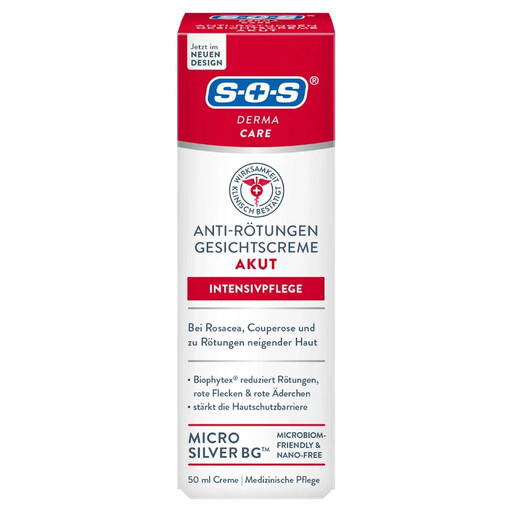
Why this product fits the profile: This moisturiser is designed for facial skin prone to redness and sensitivity, and contains, among other things, glycerin, panthenol, and centella asiatica.
The information recommends a patch test on a small area of skin before applying to larger areas.
Panthenol and plant-based ingredients; can be used morning and evening according to the product information.
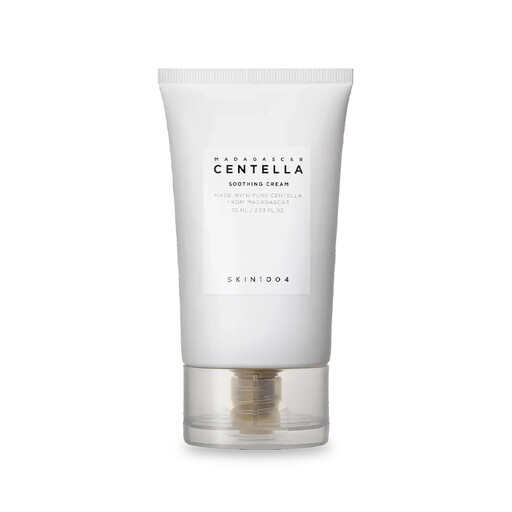
Why this product fits the profile: The cream focuses on hydration and barrier care, and contains centella asiatica, ceramides, cholesterol, and hyaluronic acid.
The formulation doesn’t rely solely on clarifying ingredients; it also takes hydration and the skin barrier into account.
75 ml content; ceramides NP, NG, AS, AP, and EOP are listed in the stated ingredient list.
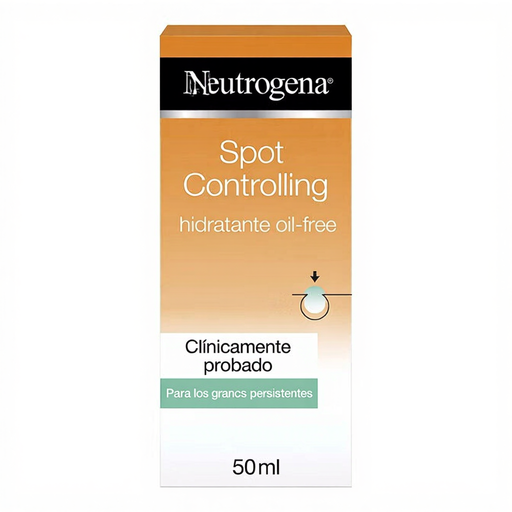
Why this product fits the profile: The oil-free moisturiser contains, according to the ingredient list, niacinamide, salicylic acid, zinc PCA, and allantoin, and is aimed at skin with blemishes.
The warnings advise reducing use or discontinuing if severe irritation or peeling occurs.
Oil-free product description; contains salicylic acid and zinc PCA according to the stated INCI list.
We have put together a full, regularly updated list of products that fully meet these strict selection criteria and the safety regulations in force in the EU.
Introduce new products into your routine one at a time if possible. This makes it easier to see how your skin reacts.
That depends on the formula. A moisturiser without exfoliating acids can often be used morning and evening, provided the product information allows it. With salicylic acid or fruit acids, a slow start is sensible. If you experience stinging, noticeable redness, or peeling, pause use.
The printed expiry date and the PAO symbol on the packaging are what matter, for example “12M”. Keep the cream tightly closed, dry, and protected from direct sunlight or heat. If the smell, colour, or consistency changes, stop using the product.
No. “Non-comedogenic” refers to the tendency to clog pores and is not a general promise of tolerance. For sensitive skin, you should also check for fragrances, essential oils, acids, and known allergens. The current packaging information is what counts.