
Lieferung heute & morgen

Qualitätsgarantie

Willkommens-Angebote freischalten: KOSTENLOSE Lieferung | Bis zu 80 % RABATT | Kostenlose 30-Tage-JoyPlus-Testphase
App herunterladen
The search for the perfect face cream can feel like an endless journey. The market is vast, the advertising claims are bold, and disappointment often follows when an expensive cream fails to deliver the desired results or even irritates the skin. As a Joybuy Product Recommendation Officer, I see every day which products deliver on their promises and which are based on nothing more than clever marketing.
This guide is designed to help you avoid common purchasing pitfalls and make an informed decision based on the actual needs of your skin.
Before we get to the solutions, it's important to recognise the most common marketing traps that often lead to regrettable purchases.
To make an informed decision, you should focus on objective criteria rather than marketing slogans.
The effectiveness of a cream depends not only on which active ingredients it contains, but also in what form and concentration.
An intact skin barrier is the key to healthy, resilient skin. It protects against moisture loss and external irritants. If it's weakened, the skin often reacts with dryness, redness, and sensitivity. A good cream for sensitive skin should therefore always aim to strengthen the skin barrier. Look for ingredients like:
The texture should match your skin type and preferences to ensure consistent use.
Instead of presenting a generic list, we have selected products that are specifically tailored to certain user profiles and their skin goals. Innovative Korean skincare, in particular, often offers sophisticated formulations for this.
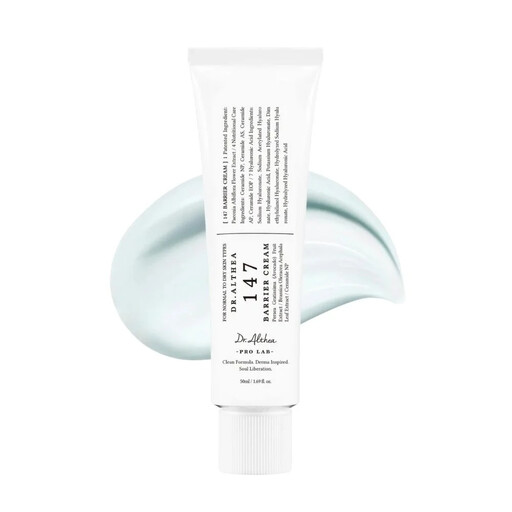
Why This Fits Their Persona: This cream is ideal for individuals whose skin feels tight, red, or dehydrated due to environmental factors, stress, or the use of overly harsh products. It focuses on restoring fundamental skin health.
Instead of making a vague "for all skin types" promise, it specifically addresses the problem of a weakened barrier. The formula combines ceramides with a 7-layer hyaluronic acid complex for deep, multi-level hydration.
The combination of repairing ceramides and multi-layer moisture from hyaluronic acid offers a comprehensive solution for strengthening the skin barrier.
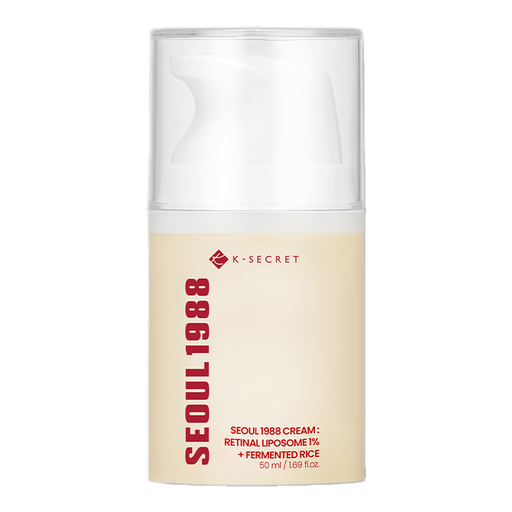
Why This Fits Their Persona: For users who want to go beyond basic hydration and actively combat fine lines, wrinkles, and loss of elasticity. They are looking for scientifically-backed and potent active ingredients.
This cream bypasses the "miracle ingredient" trap by not just including retinal, but specifying it as Retinal Liposome 1%. Liposomal encapsulation is an advanced technology that stabilises the active ingredient and improves its delivery into the skin, which increases efficacy and reduces the potential for irritation.
Utilises retinal, a highly effective precursor to retinoic acid, in a modern, stabilised formulation for visible anti-aging results.
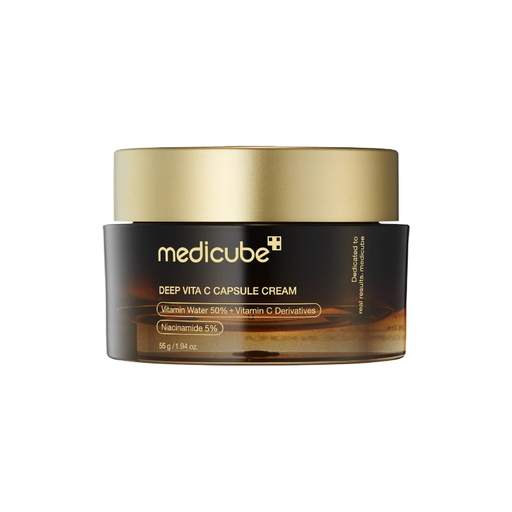
Why This Fits Their Persona: Perfect for anyone who wants a more even, radiant complexion and wants to specifically target dark spots or a dull skin tone.
Instead of relying on a single active, this cream combines a Vitamin C complex with 5% Niacinamide and Alpha-Arbutin. The innovative capsule system protects the potent yet sensitive ingredients from oxidation, ensuring they are fresh with every application.
A multifunctional approach to brightening the skin through a synergistic combination of active ingredients. The capsule format preserves stability and efficacy.
We have compiled a complete, up-to-date list of products that fully meet these strict selection criteria and all applicable safety regulations.
1. How do I find out which active ingredients my skin really needs? Start by identifying your main concern: Is it dryness, redness, wrinkles, or a dull complexion? Then, specifically look for ingredients known to address that problem: hyaluronic acid for intense moisture, Centella Asiatica for soothing, retinoids for anti-aging, or vitamin C for more radiance. A patch test on an inconspicuous area, like your forearm, is always a good idea before the first application on your face.
2. Can I use an anti-aging cream even if I'm only 25? Yes, preventative care is a smart move. Instead of reaching for aggressive formulas, you can start in your mid-20s with creams containing antioxidants like vitamin C, niacinamide, or green tea extract. These protect the skin from environmental damage that leads to premature aging. A good moisturizer with SPF during the day is also a fundamental step.
3. What is the difference between a moisturizer and a skin barrier-strengthening cream? A classic moisturizer focuses on delivering water to the skin and locking it in. It typically contains humectants like glycerin or hyaluronic acid. A barrier-strengthening cream goes a step further: it also supplies lipids (fats) like ceramides, cholesterol, and fatty acids, which form the "mortar" between skin cells. It actively helps to repair the skin's protective function, making it more resilient to moisture loss and irritants. Many modern formulations combine both functions.