
Lieferung heute & morgen

Qualitätsgarantie

Willkommens-Angebote freischalten: KOSTENLOSE Lieferung | Bis zu 80 % RABATT | Kostenlose 30-Tage-JoyPlus-Testphase
App herunterladen
The right face cream should hydrate your skin, feel comfortable to wear and fit easily into your daily skincare routine. But eye-catching marketing claims don’t always lead to the right buying decision. As a Joybuy Product Recommendation Officer, I look beyond the headlines, assess products against clear criteria and match them to the people they’re best suited to.
A cream may be described as suitable for all skin types, but it can feel different depending on your skin’s condition. Rich formulas containing ingredients such as shea butter, beeswax or mineral oil may appeal to dry skin, while oily or combination skin often prefers a lightweight face cream or gel texture.
So it’s worth looking beyond the marketing claims and checking:
Terms such as “anti-ageing”, “barrier repair” or “regeneration” usually describe how a product is positioned. They’re no substitute for assessing your individual skin, and they’re not medical claims. A cream with retinol, for example, should be introduced into your routine with care. If you have sensitive skin, a patch test is a good idea; during the day, you should also use suitable sun protection.
Centella Asiatica, ceramides, panthenol, beta-glucan and hyaluronic acid won’t necessarily suit everyone equally well, either. The concentration, the overall formula and your individual skin response all play an important part.
A facial moisturiser hydrates and cares for your skin, but it doesn’t replace dedicated UV protection. For everyday use, a separate sunscreen such as SPF 50 facial sunscreen may be a good option. It’s usually applied as the last step in your morning routine and reapplied after prolonged sun exposure.
For dry skin, products containing glycerin, hyaluronic acid, plant oils or richer lipids are often a natural choice. A face cream for dry skin should feel comfortable beyond the initial application and fit in with the routine you prefer.
Lighter gel-creams are often a good option for oily or combination skin. The Ordinary Natural Moisturizing Factors + Beta Glucan, for example, is described as a lightweight gel moisturiser containing beta-glucan and ceramides. If you have blemish-prone skin, it’s still worth checking the full INCI list, as “lightweight” doesn’t automatically mean “suitable for everyone”.
If you want to support your skin barrier, look for ceramides, cholesterol, phytosphingosine, glycerin, panthenol or skin-identical moisturising factors. A soothing face cream containing Centella Asiatica or allantoin may be worth considering as part of a sensitive skincare routine, but it isn’t a substitute for medical treatment.
If you’re sensitive to fragrance, check the INCI list for terms such as “parfum”, essential oils or listed fragrance allergens. If you’re looking for a face cream for sensitive skin, it’s also a good idea to patch test it on a small area first. Seek medical advice if symptoms persist or you experience a strong reaction.
A day and night moisturiser can be convenient, while some products are designed specifically for evening use. Larger packs, such as 100 or 110 ml, can be a good choice if you use a product frequently. Smaller 30 or 50 ml tubes are easier to take with you and reduce the chance of leaving a product open for a long time.
Always follow the information on the packaging, as formulas and directions for use can change. Take particular care to follow the manufacturer’s instructions for products containing retinol. These include Neutrogena Retinol Boost Cream and Centellian24 Madeca Cream Time Reverse Face Cream.
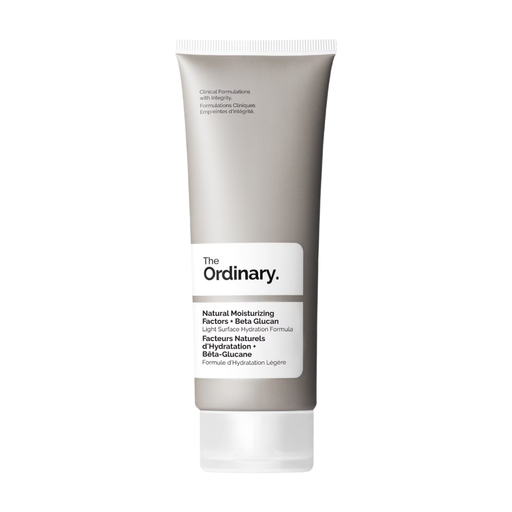
Why this product suits this profile: Its lightweight gel texture and 100 ml size make it a good fit for anyone looking for straightforward hydration without a heavy feel on the skin.
The product description highlights its lightweight gel texture rather than making blanket claims about its benefits. Before buying, it’s still worth checking the INCI list against your own skin’s sensitivities.
The stated formula contains beta-glucan and ceramides; the tube makes it easy to dispense the right amount for morning and evening use.
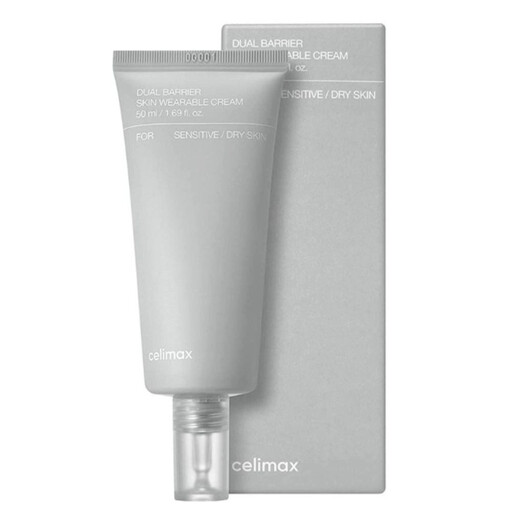
Why this product suits this profile: Its formula is designed for dry and sensitive skin, and contains several ceramides and skin-related lipids.
Rather than relying solely on “repair” claims, the product information names specific ingredients, including Ceramide NP, Ceramide NS and Ceramide AP.
A lightweight texture that isn’t described as heavy; designed to be used morning and evening as the last step in your skincare routine.
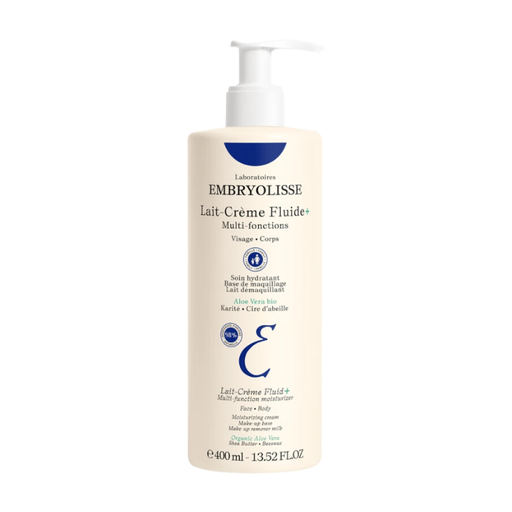
Why this product suits this profile: The generous 400 ml size and stated multi-purpose use make it a good choice for anyone looking to use one product for both face and body care.
Its uses are clearly described: face and body care, a make-up base and aftershave care. This makes it easier to decide whether it suits your needs.
400 ml of product, with an emulsion containing shea butter, beeswax and aloe vera extract according to the stated INCI list.
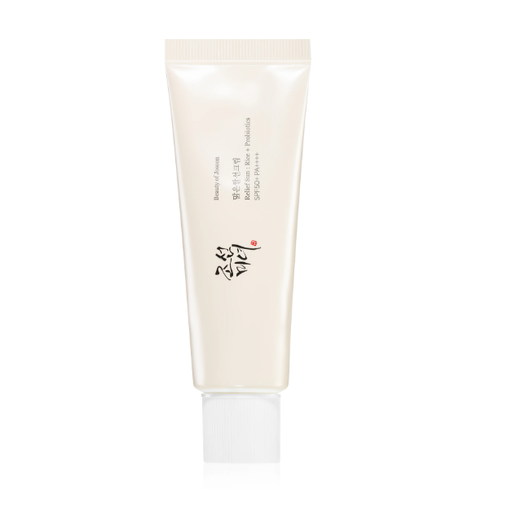
Why this product suits this profile: It combines labelled UV protection with a creamy texture described as lightweight, making it a good addition to a Korean skincare routine.
The SPF 50+ and PA++++ ratings make its intended UV protection clearer than a vague claim such as “protection from environmental factors”. Be sure to follow the instructions on reapplying it.
50 ml, SPF 50+ and PA++++ according to the product information; the formula lists rice extract and fermented ingredients.
We’ve put together a complete, regularly updated list of products that meet these strict selection criteria and fully comply with the safety regulations in force in the EU.
A retinol anti-ageing cream shouldn’t be introduced at the same time as several other potentially irritating active ingredients. If you’re pregnant or breastfeeding, or have a skin condition, follow the manufacturer’s instructions and seek medical advice if needed.
Richer creams containing glycerin, lipids, shea butter, hyaluronic acid or ceramides may be suitable for dry skin. What matters is whether the texture feels comfortable and doesn’t cause an unwanted reaction. Check the product description alongside the current INCI list.
Check the open-jar symbol, which shows how long the product can be used after opening, as well as the best-before date and the instructions on the packaging. Changes in smell, colour or texture may be a reason to stop using the product.
A moisturiser and sun protection serve different purposes. A face cream cares for your skin and provides hydration, while a product with a stated SPF rating is designed to protect against UV rays. You can use both as part of your morning routine.