
Lieferung heute & morgen

Qualitätsgarantie

Willkommens-Angebote freischalten: KOSTENLOSE Lieferung | Bis zu 80 % RABATT | Kostenlose 30-Tage-JoyPlus-Testphase
App herunterladen
A face cream should hydrate, sit comfortably on the skin and suit your complexion. Yet many shoppers end up with a product that promises “glow”, “barrier protection” or “anti-ageing” but doesn’t deliver the comfort they need day to day. What really matters is less the flashy marketing claim and more the combination of your skin type, ingredients, texture and how you use it.
Niacinamide, hyaluronic acid, vitamin C or peptides can be interesting components of a formulation. However, a single active ingredient says very little about how well the whole product will suit you. Alcohol, fragrance, essential oils or exfoliating acids can also be relevant depending on your skin’s sensitivity. A niacinamide cream or hyaluronic acid cream should always be judged by the full INCI list.
A rich cream can feel lovely on dry skin, but may feel heavy on oily or blemish-prone skin. Conversely, a light gel cream might not be enough in winter or on dry cheeks. With combination skin in particular, a single texture for the whole face can be impractical.
Terms like “glow”, “firming” or “soothing” often describe how the skin feels or looks. They are not the same as a medical effect. An anti-ageing face cream can make skin look more cared for and smoother, but it doesn’t replace dermatological treatment. If you have persistent concerns, severe redness or inflammatory skin changes, it’s worth seeing a doctor.
On the ingredients list, components are listed in descending order of quantity, although special rules apply for smaller concentrations. For everyday use, the following points are helpful:
50 ml is a common size for face creams, while tubes like Avène Cicalfate+ at 100 ml are also suitable for targeted application. A jar gives quick access but exposes the product to more contact with the environment. Always follow the instructions on the packaging for shelf life, storage and the “Period After Opening” symbol.
In the morning, a face cream is usually applied after lighter skincare products. For products with brightening ingredients or general day cream, a suitable sunscreen should be part of your routine. Introduce new products one at a time so you can better identify any reactions.
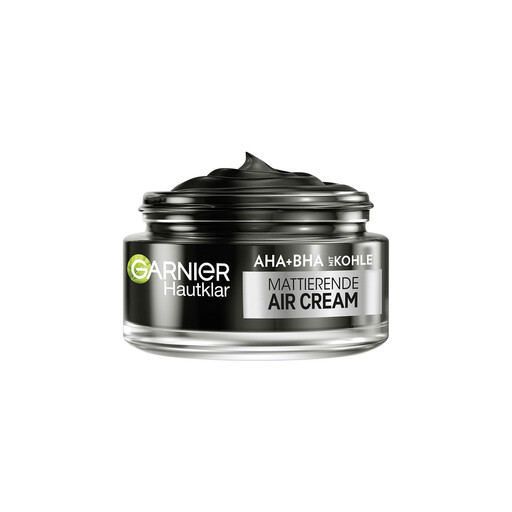
Why this product suits the profile: The light gel texture is designed for a less rich feel on the skin. Niacinamide, salicylic acid and glycerin are listed in the formula.
The ingredients list makes it clear that this isn’t just a marketing product with an active ingredient name. If you have sensitive skin, be aware that it contains denatured alcohol.
50 ml format, light texture and clearly stated ingredients such as niacinamide and salicylic acid.
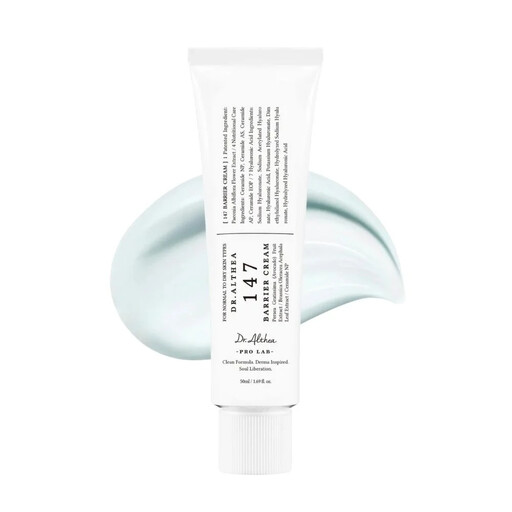
Why this product suits the profile: The formulation contains ceramides, cholesterol and several types of hyaluronic acid. This appeals to shoppers looking for a barrier-protection cream with a rich care component.
The barrier focus is made more credible by the specific lipids and humectants listed, rather than just a claim on the packaging.
Ceramides, cholesterol and seven listed forms of hyaluronic acid; 50 ml content.
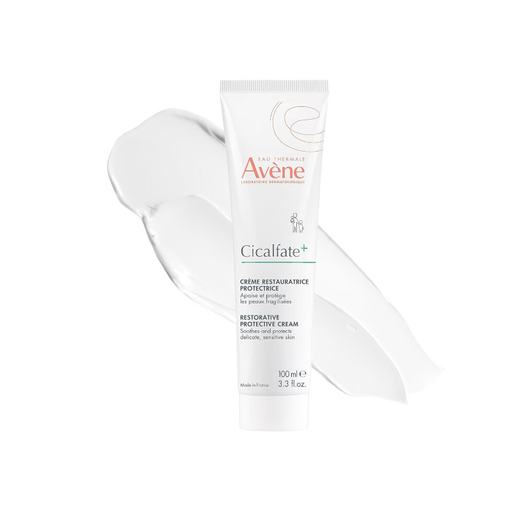
Why this product suits the profile: The compact 100 ml tube is ideal for targeted care of dry or stressed areas of skin. The formula contains glycerin, zinc oxide and mineral oil, among other ingredients.
The product description specifies a targeted use rather than making a blanket claim for every skin type. If you have blemish-prone or very sensitive skin, check its compatibility.
100 ml content, tube format and clearly stated protective and care ingredients such as glycerin and zinc oxide.
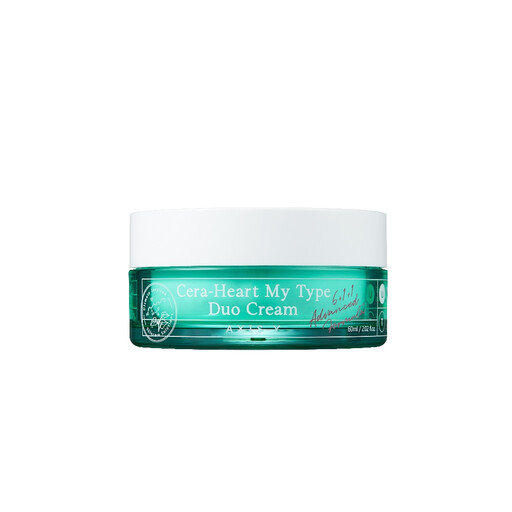
Why this product suits the profile: The duo contains a lighter T-zone cream with heartleaf and a richer U-zone cream with ceramide NP and shea butter. This allows you to tailor your care to different areas of the face.
Instead of forcing a single universal texture for combination skin, this set takes into account the different needs of the T-zone and cheeks.
Two separate 30 ml formulations; targeted application by skin zone is possible.
We’ve put together a full, regularly updated list of products that fully meet these strict selection criteria and the safety regulations in force in the EU.
For dry skin, richer formulations with glycerin, ceramides, squalane, shea butter or oils are often a good choice. What matters most is how your skin feels after application: if it still feels tight, a richer texture or an additional product for dry areas may be helpful.
Most products are used morning and evening after cleansing. Always follow the specific recommendation on the packaging. With new active ingredients such as acids or vitamin C derivatives, it’s wise to start slowly with a small amount. During the day, follow up with sunscreen as part of your routine.
The best-before date and the open-jar symbol on the packaging are what you should follow. Storing it in a cool, dry place away from direct sunlight helps maintain product quality. If the smell, colour or consistency changes noticeably, stop using the cream.