
Lieferung heute & morgen

Qualitätsgarantie

Willkommens-Angebote freischalten: KOSTENLOSE Lieferung | Bis zu 80 % RABATT | Kostenlose 30-Tage-JoyPlus-Testphase
App herunterladen
A face cream should hydrate the skin, spread comfortably and suit your individual skin needs. Yet many shoppers still choose a product that fails to deliver in everyday use: the texture is too rich, fragrances irritate the skin or the formula does not fit with their existing routine.
That is why it is worth taking an objective look at your skin type, ingredients, pack size and application before buying. Our selection includes different options for dry, sensitive, oily and mature skin – without relying solely on marketing claims.
A cream may be intended for all skin types according to its product description, yet still feel different depending on your skin. Dry skin often needs richer care containing glycerin, oils, shea butter or ceramides. For oily or blemish-prone skin, a lightweight gel face cream may feel more comfortable.
The key factors are therefore not just the words on the front of the pack, but also the texture, oil phase and ingredients list.
Terms such as anti-ageing face cream, barrier-protecting cream or “repair” initially describe a product’s intended focus. They are not a substitute for clear information about ingredients and use. Claims about visible changes should therefore be treated as statements made by the manufacturer. A cosmetic cream is also not a substitute for dermatological treatment.
Perfume, essential oils and fragrance ingredients that must be declared may be relevant for sensitive skin. Niacinamide, salicylic acid and tranexamic acid are not equally suitable for every routine either. If you are prone to irritation, check the complete INCI list and test the product on a small area of skin first.
Glycerin binds water to the surface of the skin. Hyaluronic acid is available in different molecular forms and is typically used as a humectant. Ceramides and skin-like lipids are often found in formulations designed to help maintain the skin barrier. Squalane and plant oils leave the skin feeling soft and smooth.
Plant extracts such as rice, ginseng, mugwort and centella can complement a formula. However, their mere presence does not allow any blanket claim about a particular effect. For sensitive skin, individual tolerability is more important than a single trending active ingredient.
The common 50 ml face cream size is practical for daily facial care and easy to carry in a bag. A jar allows quick access, but requires clean hands. With a rich cream, a small amount is often enough; depending on how your skin feels, a gel cream can be applied in a thinner layer.
Check the printed best-before date, batch number and, where applicable, the symbol indicating the period after opening. The current information on the packaging is the relevant information, as formulas may change.
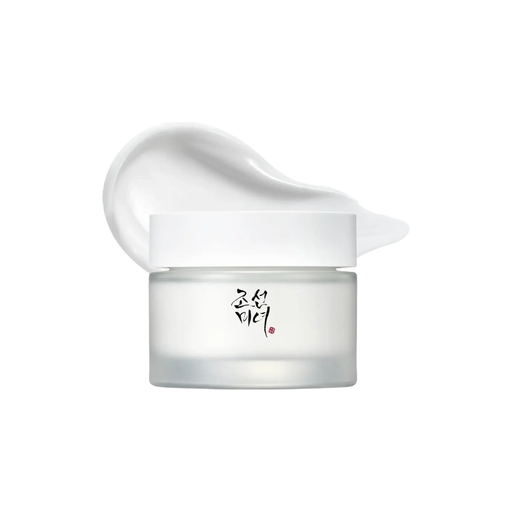
Why this product suits the profile: This Korean face cream combines rice water, ginseng water, niacinamide, squalane and ceramides in a cream texture. The 50 ml size is suitable for a manageable daily routine.
The product description clearly specifies the texture, size and key ingredients instead of making only a general skincare claim.
Hydrating and nourishing formula; according to the product information, it contains no listed allergens.
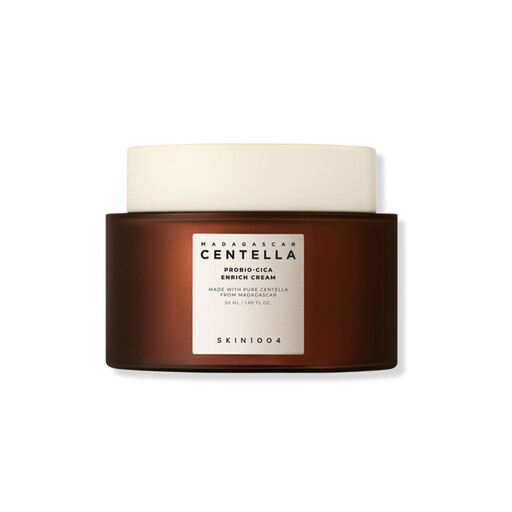
Why this product suits the profile: This rich barrier-protecting cream contains fermented centella, ceramide NP, panthenol, as well as macadamia and moringa oils. According to the supplier, it is free from artificial fragrances and colourings.
The INCI list and the note about possible batch variations make it advisable to check the packaging before buying or using the product.
Rich, smooth texture; ceramides and plant oils as ingredients for nourishing care.
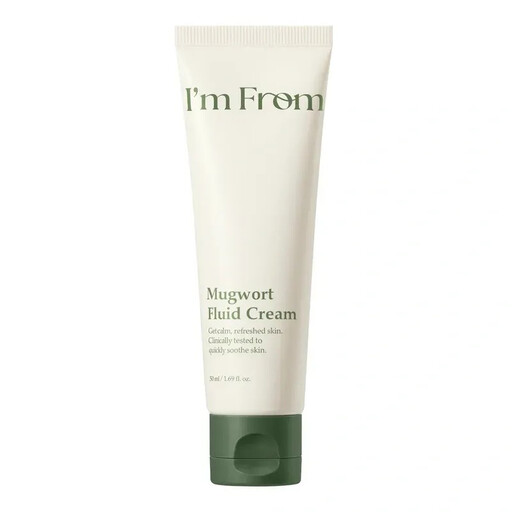
Why this product suits the profile: According to the product information, this lightweight gel cream is aimed at sensitive, oily and problematic skin. Mugwort extract and Zinc PCA are among its listed ingredients.
The product details specify the texture, target audience and application. However, if you want to avoid fragrances or certain active ingredients, you should still check the current packaging.
Fluid, fast-absorbing texture; 50 ml and designed for layering.
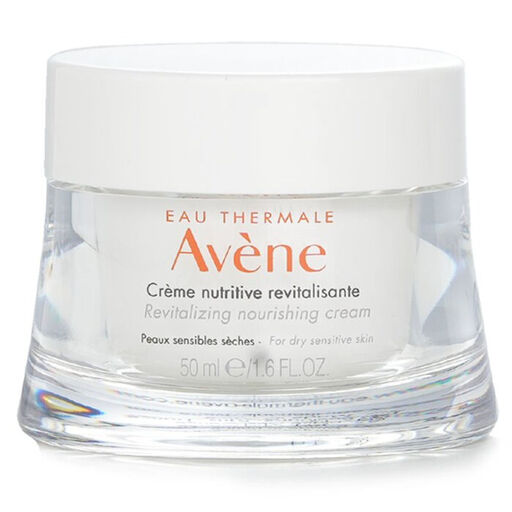
Why this product suits the profile: According to the product description, this rich moisturiser is intended for dry, dull and sensitive skin. The formula contains glycerin, nourishing oils, vitamin E and Avène thermal water, among other ingredients.
The description clearly states the intended skin type and creamy texture. This makes it easier to distinguish the product from lightweight formulas for oily skin.
Nourishing formula; according to the supplier, it leaves the skin feeling protected without being greasy.
We have put together a complete, regularly updated list of products that fully meet these strict selection criteria and the safety regulations applicable in the EU.
Apply the cream after cleansing to slightly dry or still minimally damp skin. A pea-sized amount is often enough for your face and neck; the exact amount depends on the texture and how your skin feels. A second thin layer may be useful on dry areas.
New products should not be introduced at the same time as several other active ingredients. This makes it easier to identify how your skin reacts. When applying products in the morning, an appropriate sunscreen should also be part of your routine unless the skincare product already provides this protection.
It is usual to apply face cream in the morning and evening after cleansing. If your skin is very dry, you can use an additional thin layer on individual areas. The most important factors are how your skin feels, the product instructions and how well it is tolerated.
The best-before date and period after opening are stated on the packaging. Heat, direct sunlight and frequent opening can affect product quality. Jars should be used with clean hands and closed again after opening.
A soothing face cream with a straightforward INCI list and no added perfume can be a sensible starting point. Even so, check the complete ingredients list, carry out a patch test and stop using the product if irritation persists.