
Lieferung heute & morgen

Qualitätsgarantie

Willkommens-Angebote freischalten: KOSTENLOSE Lieferung | Bis zu 80 % RABATT | Kostenlose 30-Tage-JoyPlus-Testphase
App herunterladen
A face cream needs to suit your skin, your skincare routine and your daily life. Yet product names like “Anti-Ageing”, “Repair” or “Glass Glow” can easily tempt you into making a hasty choice. What really matters isn’t flashy marketing claims, but the actual formulation, how well it agrees with your skin, and how it’s used.
Hyaluronic acid, niacinamide, ceramides, collagen, PDRN or retinol are often heavily promoted. When choosing a moisturising face cream, you should check the full INCI list. The position of an ingredient in that list can give clues about its relative amount, but it doesn’t replace a personal tolerance test.
A hyaluronic acid cream, for example, may contain several forms of hyaluronic acid, while another face cream might also rely on glycerin, panthenol or plant oils. The name alone is therefore not a reliable quality indicator.
A rich formula with shea butter, waxes and oils can feel lovely on dry skin, but may feel heavy on oily or blemish-prone skin. Conversely, a light gel cream may not be enough for very dry skin.
For sensitive skin, it’s worth checking for fragrances, essential oils, alcohol and known allergens. Even a product labelled “sensitive” should still be tested on a small area of skin before you apply it more widely.
An anti-ageing cream may, depending on its formula, contain ingredients like retinol, adenosine, peptides or antioxidants. However, this does not automatically provide protection against UV radiation or guarantee a change in your skin. With retinol products, evening application is standard; during the day, you should also use a suitable sunscreen.
Retinol is an active ingredient that should be introduced into your routine slowly. The product Medik8 Intelligent Retinol Smoothing Night Cream contains, according to the product information, 0.2% time-released retinol. For beginners, a gradual application method is described. The The Retinol 0.1 Cream also states 0.1% retinol in its product description and recommends limited use at the start.
PDRN creams such as the Anua PDRN Hyaluronic Acid 100 Moisture Cream or the Medicube PDRN Pink Hyaluronic Moisturizing Cream list PDRN or Sodium DNA in their product details. Claims about repair, rejuvenation or therapeutic effects should not be taken at face value. What matters is the current packaging information and your personal tolerance.
A cream in a jar can be easy to scoop out, but it comes into contact with your fingers more often. With a jar, you should therefore work particularly hygienically. Tubes or pump dispensers reduce direct product contact.
Check before you buy:
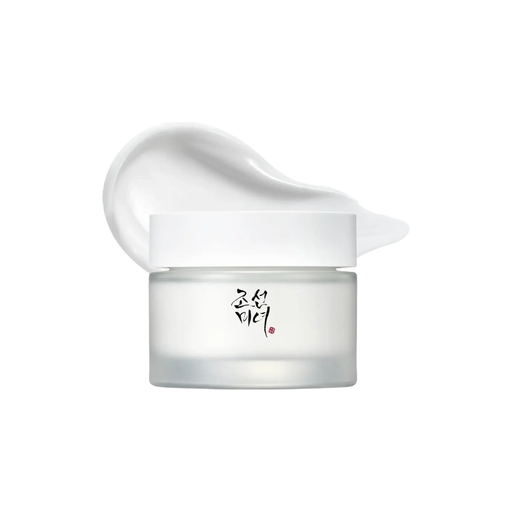
Why this product fits the profile: The 50 ml size is ideal for anyone who wants to try a Korean skincare cream in a manageable amount first. According to the product information, the formula includes niacinamide, squalane, ceramide NP and several forms of hyaluronic acid.
The product details name specific ingredients and a light yet nourishing cream texture, rather than just vague performance promises.
50 ml content; niacinamide, squalane, ceramide NP and hyaluronic acid in the stated composition.
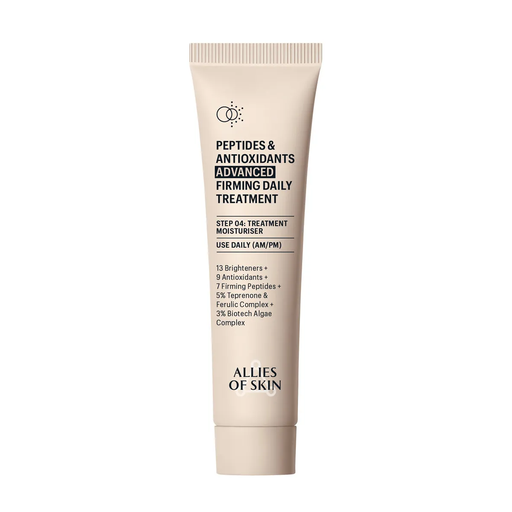
Why this product fits the profile: This compact daily treatment is aimed at buyers who prefer a comprehensive INCI list featuring peptides, antioxidants, ferulic acid, ceramide NP and hyaluronic acid.
The choice can be understood through the named active ingredient groups and its application for the face, neck and eye area.
Peptides, antioxidants, ferulic acid and ceramide NP; indicated for morning and evening use.
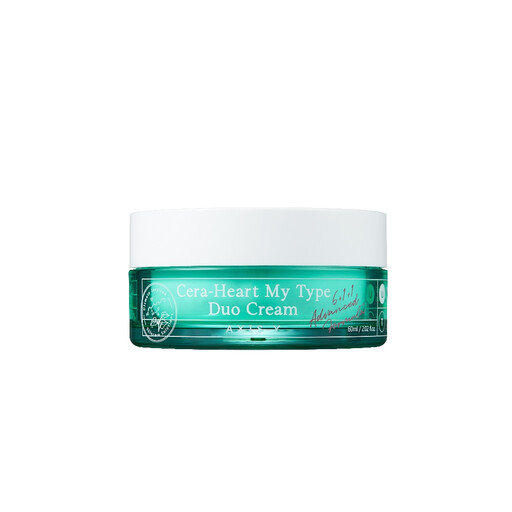
Why this product fits the profile: The duo set is designed for combination skin and, according to the product information, contains a light T-zone cream with heartleaf and a richer U-zone cream with ceramide NP and shea butter.
The two textures avoid the compromise of caring for the whole face with a single, potentially too-rich formula.
30 ml T-zone and 30 ml U-zone cream; can be applied separately or mixed.
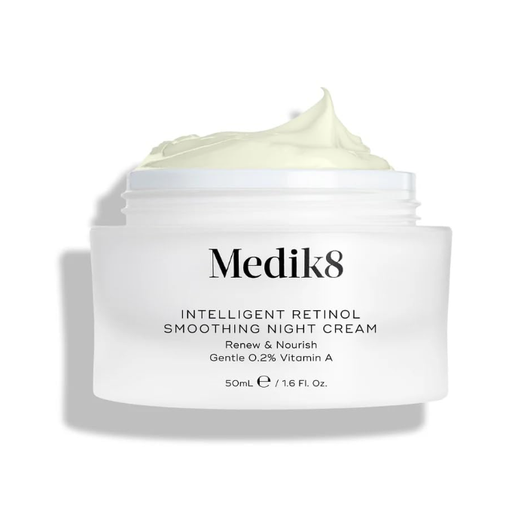
Why this product fits the profile: This night cream is of interest to anyone who wants to introduce retinol into their facial skincare routine in a targeted, gradual way.
The stated concentration of 0.2% and the gradual usage guidance help you avoid starting with too-frequent application.
0.2% time-released retinol; 50 ml content; vitamin E and squalane in the listed formula.
We’ve put together a full, regularly updated list of products that fully meet these strict selection criteria and the safety regulations in force in the EU.
After cleansing, apply the face cream to dry or slightly damp skin. If you’re using several products, the general rule is to go from the lightest to the richest texture:
With retinol, start by using only a small amount in the evening. Introduce new products one at a time so that any reactions can be more easily identified. If redness, itching or burning persists, stop using the product and, if necessary, seek dermatological advice.
For dry skin, richer formulas with glycerin, shea butter, squalane, ceramides or plant oils are worth considering. The Nuxe 48Hr Rich Moisturizing Cream and the Pyunkang Yul Intensive Repair Cream list corresponding nourishing ingredients in their product details. What matters most is whether the texture feels comfortable and doesn’t cause irritation.
Follow the PAO symbol on the packaging, the batch number and the manufacturer’s storage instructions. A change in colour, an unusual smell or a noticeably altered consistency are reasons to stop using the product.
That depends on your individual tolerance and the concentration. With new retinol products, a slow start is sensible. Use sunscreen during the day. If you have sensitive skin or existing skin concerns, you should discuss your choice with a dermatologist.