
Lieferung heute & morgen

Qualitätsgarantie

Willkommens-Angebote freischalten: KOSTENLOSE Lieferung | Bis zu 80 % RABATT | Kostenlose 30-Tage-JoyPlus-Testphase
App herunterladen
A face cream should provide moisture, spread comfortably and suit your individual skin. However, exaggerated claims, unclear product sizes and unsuitable ingredients often lead to disappointing purchases. It is therefore particularly worthwhile to take a close look at the formulation, how to use it and the information on the packaging, especially if you have dry, sensitive, blemish-prone or mature skin.
This buying guide from the Joybuy Product Recommendation Officer explains the most important selection criteria and shows which face cream may suit different needs.
Terms such as “Repair”, “Lifting” or “Glass Glow” often describe how a product is positioned, but they are not standardised, legally protected quality categories. What matters is which ingredients are actually included and how the brand qualifies its claims.
An anti-ageing cream, for example, may contain humectants, silicones, peptides, retinoids or plant extracts. However, these ingredients perform different functions. A visible smoothing effect may result from moisturising or film-forming properties and does not automatically indicate a lasting change to the skin.
A rich cream for dry skin may feel heavy on oily or blemish-prone skin. A lightweight gel cream, on the other hand, may not provide enough care for dry skin in winter. Even a product described as a non-comedogenic face cream should initially be tested carefully if you have individual sensitivities.
For sensitive skin, perfume, essential oils and many plant extracts may trigger irritation. Tolerance always depends on your individual skin condition.
15 ml, 40 ml, 50 ml, 100 ml and 450 g cannot be compared directly. Calculate the price per 10 ml or per 100 g. A small travel size may be practical when you are on the go, while a larger pack may be more economical for daily use. It is also important to check the opening date and the shelf life stated on the packaging.
A hyaluronic acid cream usually contains different forms of hyaluronic acid or its salts. These substances bind water on the surface of the skin and may improve how it feels. Combining them with a suitable cream base is key to maintaining a consistent skincare routine.
If you want to strengthen the skin barrier, look for ceramides, cholesterol, fatty acids, glycerin and panthenol. A repairing face cream is cosmetic skincare and not a substitute for dermatological treatment.
Centella asiatica, also known as cica or tiger grass, is often found in a soothing face cream. If you are sensitive to fragrance, check whether essential oils have also been included. A Korean face cream may offer interesting textures and combinations of active ingredients, but its country of origin alone is not proof of quality.
Apply the cream to cleansed, dry skin. When trying a new product, it is advisable to test it first on a small area of skin. If persistent redness, stinging, swelling or itching occurs, stop using the product. If you experience symptoms, seek medical advice.
For sensitive formulations, pump dispensers or airtight packaging may offer hygienic advantages over open jars. When using creams containing retinol or sensitive vitamin C derivatives, storage, protection from light and the manufacturer’s instructions are particularly important.
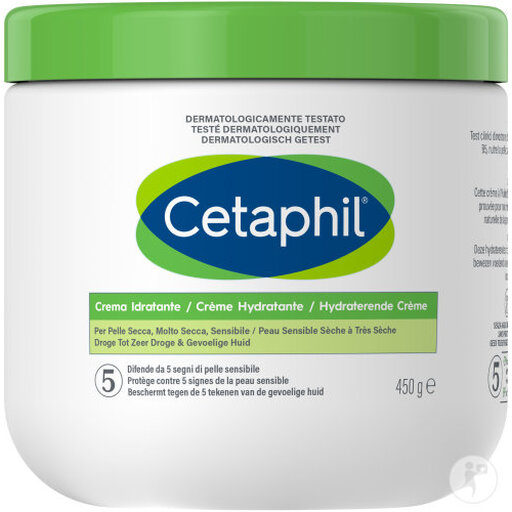
Why this product suits the profile: The large 450-g pack is suitable for daily use on dry and sensitive skin on the face and body. Its rich, fragrance-free texture is designed for a simple skincare routine.
The pack size makes the price per gram easier to compare. The fragrance-free and non-comedogenic labelling makes it easier to narrow down your options.
Glycerin, panthenol, niacinamide and petrolatum; 450 g content; according to the product information, fragrance-free.
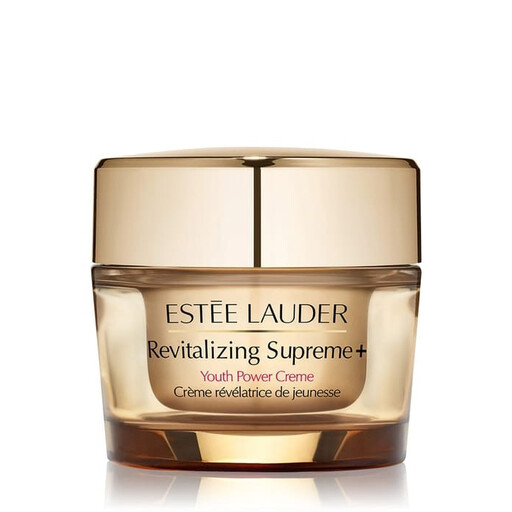
Why this product suits the profile: The compact travel size is aimed at people who want to take their established anti-ageing skincare with them when travelling or to the gym.
The stated quantity of 15 ml prevents a travel size from being confused with a standard pack. The INCI list includes glycerin, squalane, sodium hyaluronate and perfume, among other ingredients.
Multi-purpose care for the face and neck; compact 15-ml packaging; according to the product information, non-comedogenic and dermatologically tested.
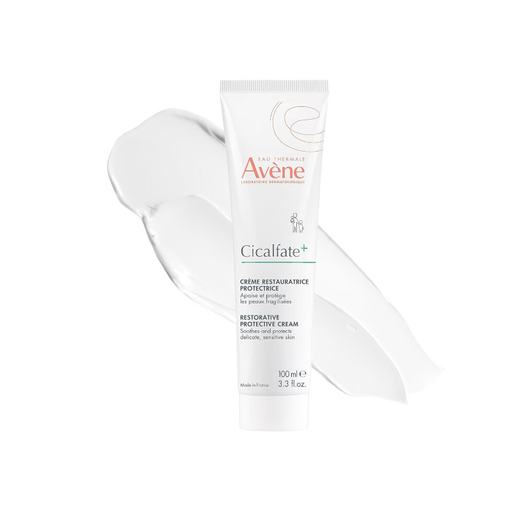
Why this product suits the profile: This protective cream is suitable for targeted use on dry or irritated areas of skin and can be used by several members of the family.
It should be viewed as targeted care rather than a universal daily face cream for every skin type. Zinc oxide and a rich base make it suitable for use on specific areas.
100 ml content; glycerin, zinc oxide and thermal water in the stated formulation; intended for adults and the whole family.
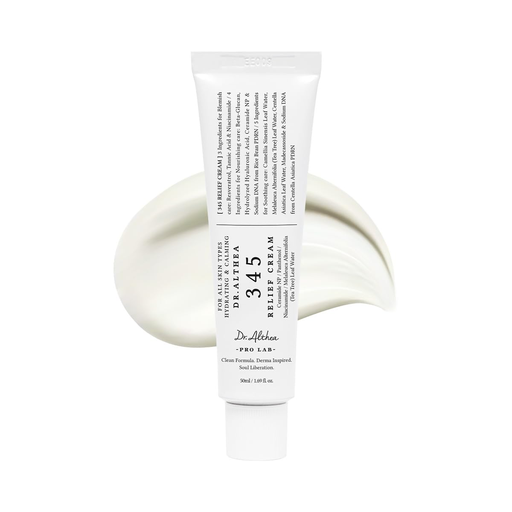
Why this product suits the profile: This lightweight Korean gel cream is designed for sensitive, redness-prone, combination and blemish-prone skin. It can be used under sun protection or make-up.
The lightweight texture reduces the risk of a rich cream feeling uncomfortable on combination skin. The claims regarding non-comedogenic testing come from the brand.
Niacinamide, panthenol, centella components, ceramide NP and sodium hyaluronate; according to the product information, free from artificial fragrances and colourants.
We have put together a complete, regularly updated list of products that fully meet these strict selection criteria and the safety regulations applicable in the EU.
Richer formulations containing glycerin, squalane, oils, shea butter or petrolatum may be suitable for dry skin. The key is that the cream feels comfortable and does not cause persistent irritation. If areas of skin are extremely dry or inflamed, the cause should be assessed by a dermatologist.
Many products are intended for use in the morning and evening. If your skin is very dry, an additional application may be helpful, provided your skin tolerates the cream well. A suitable sunscreen should also be part of your morning skincare routine.
Check the open-jar symbol with the number of months and the best-before or expiry date on the packaging. If the smell, colour or consistency changes, stop using the product. Store creams in a dry, cool place away from direct sunlight.