
Lieferung heute & morgen

Qualitätsgarantie

Willkommens-Angebote freischalten: KOSTENLOSE Lieferung | Bis zu 80 % RABATT | Kostenlose 30-Tage-JoyPlus-Testphase
App herunterladen
A face cream should provide moisture, spread comfortably and suit your individual skin needs. In practice, however, the wide choice can quickly lead to unsuitable purchases: a rich cream may feel heavy on oily skin, while a lightweight gel may not be enough for dry cheeks. Joybuy’s Product Recommendation Officer therefore explains important product features objectively and highlights what shoppers in Germany should consider.
Terms such as “rejuvenating”, “anti-wrinkle” or “repairing” often describe the desired positioning of a product, but they do not guarantee a specific result. When choosing an anti-ageing face cream, focus on the actual ingredients, texture and usage instructions. Adenosine, niacinamide, hyaluronic acid and squalane are identifiable ingredients; they should not be taken as evidence of a therapeutic effect.
Universal labelling does not replace looking at the formulation. Dry skin often benefits from glycerine, squalane, shea butter or ceramides. For sensitive skin, however, fragrances, essential oils or numerous active ingredients may be undesirable. If you are looking for a face cream for sensitive skin, check the complete INCI list on the packaging and carry out a small patch test first.
Claims such as “72 hours” or “100 hours” come from the product’s own marketing and should not be equated with an identical effect on the skin throughout everyday life. Weather, cleansing, heated indoor air and the skincare products used all affect how your skin feels. What matters is choosing a suitable formula and applying it consistently.
Ceramides, panthenol, squalane and certain lipids are often used in a skin barrier cream. Hyaluronic acid can act as a humectant in an intensive moisturiser. PDRN, also known as Sodium DNA, is found in some Korean formulations. The product description should not be treated as equivalent to a medical or regenerative treatment.
When choosing a Korean face cream, also check the country-of-origin information, the current ingredients list and the responsible contact person in the EU. Ingredients may change from one batch to another. The labelling on the physical product is the decisive source of information.
A 20 ml tube is suitable for shoppers who would first like to try a specialised formula. Sizes of 50 to 100 ml are often more practical for regular use. Gel creams usually absorb quickly and can work well under make-up. Rich creams are more suitable for dry skin, evening use or individual dry areas. The amount used should be adjusted according to how your skin feels and the time of year.
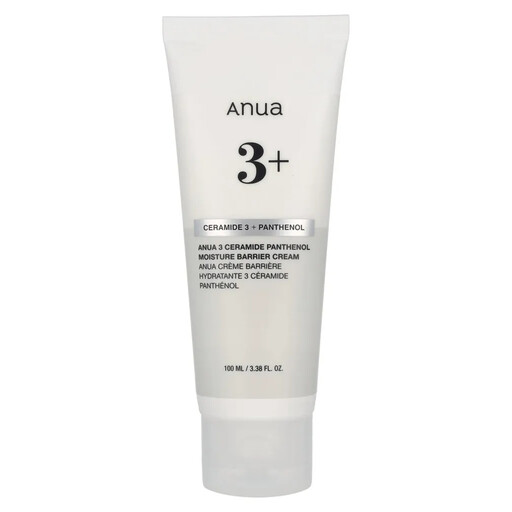
Why this product suits this profile: The 100 ml size and practical cream texture make it suitable for regular care of dry, sensitive or normal skin.
The selection is based on clearly named ingredients such as three ceramides and panthenol, rather than on vague product claims.
Three types of ceramide, panthenol and hyaluronic acid; according to the product information, it has a lightweight, non-sticky texture.
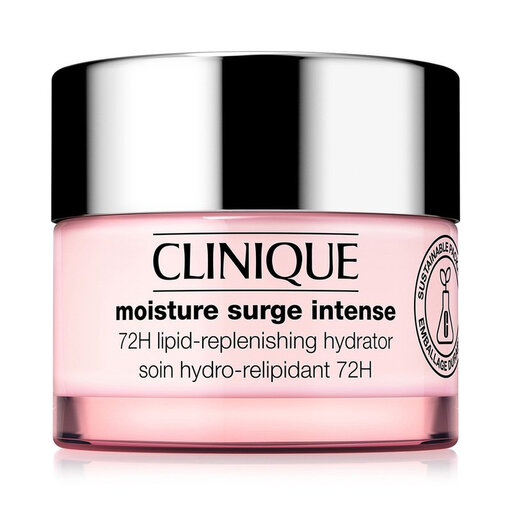
Why this product suits this profile: The fragrance-free cream-gel formula is aimed at people who prefer rich hydration without added fragrance.
The product information specifies features such as being fragrance-free, as well as containing lipids and Cica, rather than basing the choice solely on a general “for all” claim.
30 ml contents, rich cream-gel texture, plus lipids and Cica according to the product description.
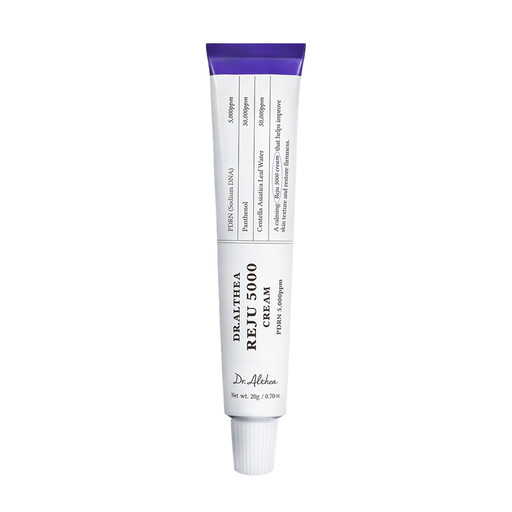
Why this product suits this profile: The 20 ml size is suitable for users who want to incorporate a Korean PDRN cream into their existing routine for targeted use.
The compact pack size limits the risk of an unsuitable purchase. The formula also lists PDRN, panthenol, centella water and several forms of hyaluronic acid.
20 ml contents, a lightweight, non-sticky texture and use as the final or penultimate skincare step according to the product information.
We have put together a complete, regularly updated list of products that fully meet these strict selection criteria and the safety regulations applicable in the EU.
A face cream is usually applied after cleansing, toner and serum. Start with a small amount; you can apply a little more to particularly dry areas. In the morning, you should also use sun protection. Do not introduce new products at the same time as several acids, retinoids or highly concentrated active ingredients.
If you have sensitive skin, a patch test on a small area of skin is recommended. Stinging, swelling, persistent redness or itching are reasons to stop using the product. Products should not be applied to open wounds or severely irritated skin. The current ingredients list, shelf life, batch number and storage instructions can be found on the packaging.
A face cream for dry skin should combine humectants such as glycerine or hyaluronic acid with nourishing ingredients such as ceramides, squalane or shea butter. A creamy texture is often more suitable than a lightweight gel, particularly in the evening or in dry heated indoor air.
The best-before date and the PAO symbol on the packaging, such as “12M”, are the key references. If the smell, colour or consistency changes, stop using the product. Direct sunlight and major temperature fluctuations can affect storage conditions.
Many moisturisers are designed for use at both times of day. A rich formula may feel heavy under make-up in the morning, while a lightweight gel cream may not provide enough care for very dry skin in the evening. Adjust your routine according to the texture, how your skin feels and your individual needs.