
Lieferung heute & morgen

Qualitätsgarantie

Willkommens-Angebote freischalten: KOSTENLOSE Lieferung | Bis zu 80 % RABATT | Kostenlose 30-Tage-JoyPlus-Testphase
App herunterladen
A face cream should hydrate, feel comfortable and suit your individual skin condition. However, big promises don't automatically lead to the right skincare. If you only focus on terms like "intensive", "anti-ageing" or "barrier protection", you might overlook important details of the formula.
A cream for all skin types can be convenient, but it may not cater equally to every skin condition. Dry skin often needs a richer texture with glycerin, oils or butters. Oily or blemish-prone skin usually fares better with a light gel-cream.
With sensitive skin too, it's worth checking the full INCI list. Fragrance ingredients such as parfum, limonene or linalool can be relevant for some people. A cream described as mild isn't automatically free from potentially irritating components.
Terms like "repair the skin barrier", "rejuvenate" or "cell renewal" often come from brand marketing. Cosmetic products can care for the skin's surface, improve moisture levels and leave a smoother skin feel. However, they do not replace a dermatological diagnosis or treatment.
With an anti-ageing cream, you should therefore check which specific ingredients are listed, such as glycerin, niacinamide, hyaluronic acid, panthenol or peptides. Statements about visible changes should be understood as product characteristics, not guaranteed results.
50 ml of a rich cream may go further than 20 ml of a lighter formulation. For daily use, it also matters whether the cream sits well under sunscreen or make-up. A very rich, nourishing face cream can be useful in winter, while a light texture is more practical in summer or for combination skin.
First, identify your main skincare needs:
Glycerin binds moisture in the upper skin layer. Hyaluronic acid is used in different forms and is often part of a moisturising routine. Panthenol is frequently used in skincare products to help soothe and care for the skin. Squalane, shea butter and oils contribute to a supple skin feel.
With Korean skincare, such as a Korean Skincare Cream, you'll often find combinations of centella, ceramides, niacinamide, panthenol or various forms of hyaluronic acid. What matters most is individual tolerance, not just the origin.
Apply the cream after cleansing. For dry skin, a slightly larger amount may be beneficial; for oily skin, a thin layer is often enough. In the morning, you should also use a suitable sunscreen.
Always check the information on the packaging regarding best-before date, batch number and shelf life after opening. As formulations can change, the current INCI list on the physical product is definitive. If you experience redness, itching or burning, stop using the product. Before first use, a patch test on a small area of skin can be sensible.
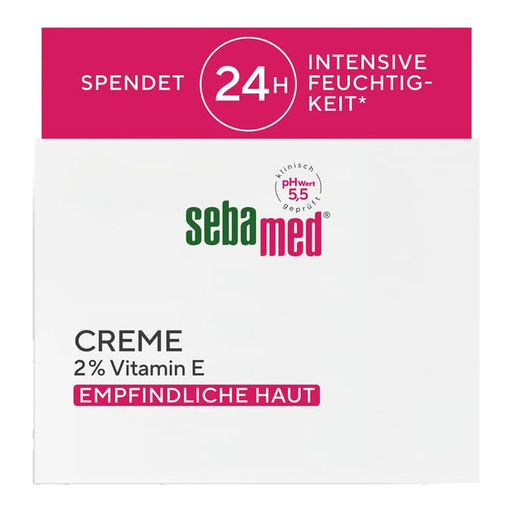
Why this product fits the profile: The 75 ml cream is intended for daily facial care and, according to the product information, contains 2% vitamin E and has a pH value of 5.5.
The product description gives specific details rather than just general skincare promises. However, the INCI list does include parfum and benzyl alcohol, which sensitive skin should take into account.
75 ml content, daily use for face, neck and décolleté, plus a light oil-in-water emulsion according to the product information.
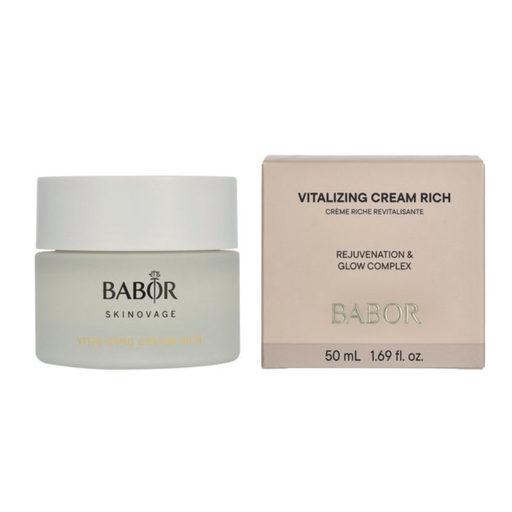
Why this product fits the profile: According to the product description, the rich formulation is particularly aimed at dry and mature skin.
The texture is clearly described as rich. This makes it easier to assess that it may feel less lightweight for very oily skin.
Contains, among other things, shea butter, sunflower, macadamia, sesame and jojoba oil. Fragrance ingredients are listed in the INCI.
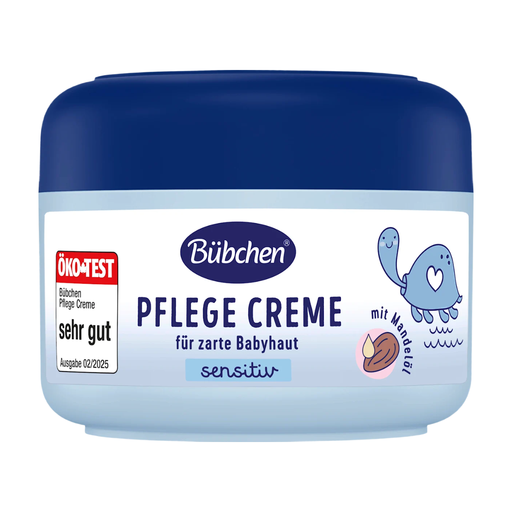
Why this product fits the profile: For parents looking for a cream expressly labelled for babies and children to use on the face.
The product description clearly states the target audience. The formula, described as fragrance-free, should still be checked against the packaging before purchase.
75 ml content, plus panthenol, almond oil, allantoin and shea butter according to the product information.
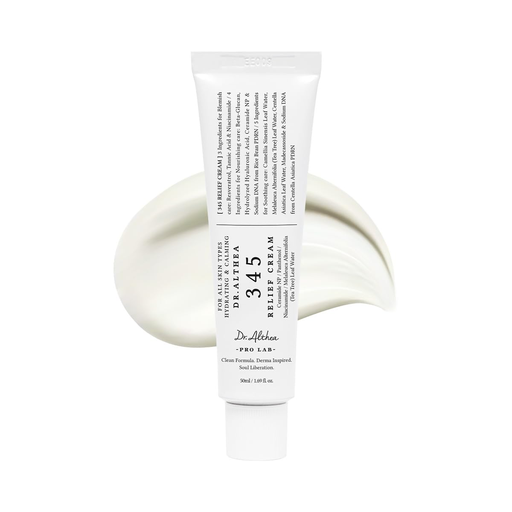
Why this product fits the profile: According to the product description, this light Korean gel-cream is intended for sensitive, reddened, combination and blemish-prone skin.
The texture is described as light and non-greasy. For sensitive skin, a patch test and checking the current ingredient list remain advisable.
Contains niacinamide, panthenol, centella-related ingredients, ceramide NP and sodium hyaluronate according to the product description.
For dry skin, rich formulations with glycerin, squalane, shea butter or plant oils are often suitable. A face cream for dry skin should feel comfortable without a persistent tight sensation. In winter or with dry indoor air, a nourishing texture can be more practical.
That depends on your skin type, the product and the season. Many creams are intended for use morning and evening. A thin, even layer is usually enough. With sensitive skin, a new product should first be tested on a small area.
The symbol of an open jar, for example "12M", along with the information on the packaging, is what matters. Dispose of the product sooner if the smell, colour or consistency changes noticeably. The current packaging information takes precedence over general experience.