
Lieferung heute & morgen

Qualitätsgarantie

Willkommens-Angebote freischalten: KOSTENLOSE Lieferung | Bis zu 80 % RABATT | Kostenlose 30-Tage-JoyPlus-Testphase
App herunterladen
A face cream should deliver moisture, keep your skin’s surface feeling comfortable, and fit seamlessly into your daily routine. Yet with so many options, finding the right moisturiser for your face isn’t automatic. All too often, packaging, trendy buzzwords or a flashy active-ingredient promise sway the decision, while texture, fragrance and the actual ingredients list get overlooked.
This buying guide will help you assess marketing claims objectively and choose a face cream based on your skin type, skincare goals and how you plan to use it.
Peptides, ceramides, centella, niacinamide or hyaluronic acid are common components of modern skincare. However, a long INCI list alone tells you very little about how well a product will suit your skin. For sensitive skin, added fragrances, essential oils or a large number of plant extracts can be the deciding factor.
If you’re prone to redness or irritation, don’t just focus on the hero ingredient being promoted – check the full ingredients list.
A cream labelled as universal may feel pleasantly rich on dry skin, but too heavy for oily or blemish-prone skin. Conversely, a light gel cream may not provide enough nourishment for dry skin. What really matters includes texture, oil phase, humectants and your skin’s individual reaction.
A brightening face cream with niacinamide, alpha-arbutin or tranexamic acid can be targeted towards a specific skincare goal. However, claims about visible changes should not be equated with a medical effect. When using such products daily, a suitable sunscreen should be part of your routine.
A barrier repair cream often contains ceramides, cholesterol, fatty acids or skin-nourishing lipids. These combinations can be useful for dry or stressed skin. The position of an ingredient in the INCI list can give you a rough idea of its relative amount, but it doesn’t allow you to determine the exact concentration.
A hyaluronic acid cream typically works with one or more hyaluronic acid derivatives. Glycerin, betaine and panthenol complement the moisture-binding focus. A niacinamide cream may also aim for a more balanced-looking complexion. If you have sensitive skin, start using it gradually.
Before buying, check the following points:
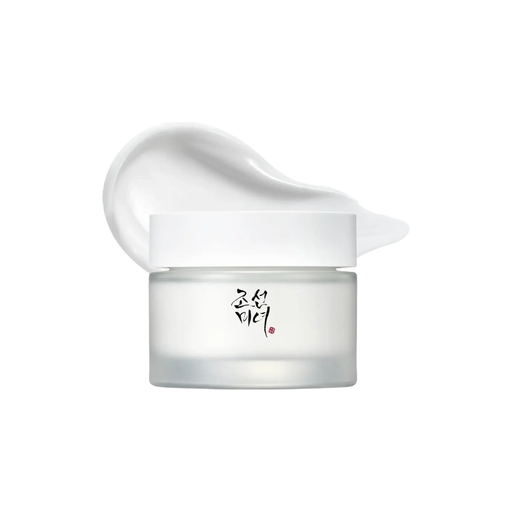
Why this product suits the profile: This cream combines a rich skincare focus with what the product description calls a light texture. Rice water, ginseng water, niacinamide, squalane and ceramides are listed in the ingredients.
The choice isn’t based solely on the K-beauty label, but on the specific humectants and nourishing ingredients listed.
50 ml jar; contains, among others, niacinamide, ceramide NP and several forms of hyaluronic acid.

Why this product suits the profile: The formulation is focused on intensive moisture and barrier repair. According to the product information, it contains ceramides, cholesterol and seven forms of hyaluronic acid.
The selection checks the specific composition: ceramides and cholesterol are clearly listed in the INCI list.
Silky, residue-free texture according to the product description; ceramides NP, AS, AP, NG, NS and EOP are listed.
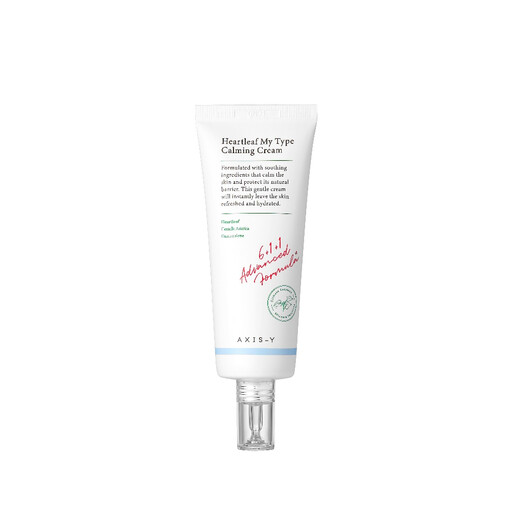
Why this product suits the profile: This light gel cream is ideal for those who don’t want a heavy layer under make-up or on combination skin. Heartleaf, centella, hyaluronic acid and allantoin are listed.
The texture and the listed ingredients are considered separately, rather than assuming a light consistency is automatically suitable for every skin type.
60 ml gel cream; according to the product description, it is vegan-certified, cruelty-free and intended for sensitive as well as blemish-prone skin.
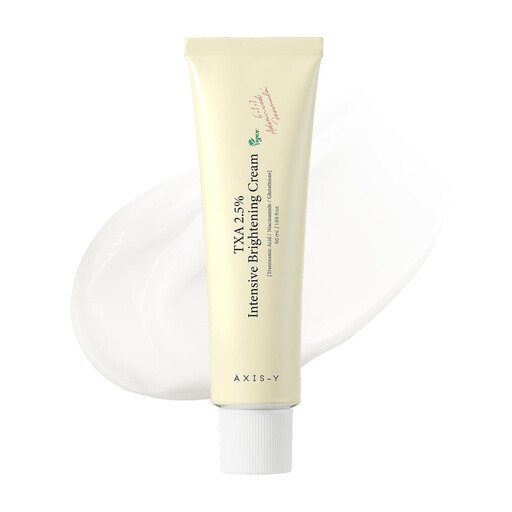
Why this product suits the profile: This Korean face cream is aimed at users who want to target an uneven skin tone. The ingredients list includes 2.5% tranexamic acid, niacinamide, ceramide NP and hyaluronic acid.
The advertised focus can be verified through specific concentration details and the full ingredients list.
50 ml; contains tranexamic acid 2.5%, niacinamide, ceramide NP and several hyaluronic acid derivatives.
We’ve put together a full, regularly updated list of products that fully meet these strict selection criteria and the safety regulations in force in the EU.
For dry skin, richer formulations with glycerin, shea butter, squalane, ceramides or hyaluronic acid are worth considering. A cream should feel comfortable without leaving your skin feeling tight or overly sticky. For very dry skin, a thin, even layer in the evening can be beneficial.
The printed expiry date and the symbol for shelf life after opening are what matter. An open jar symbol usually indicates a period in months. Jars should be used with clean hands and stored away from heat and direct sunlight.
Yes, as long as your skin tolerates the products. A light moisturiser can be used in the morning, while a richer barrier repair cream can be applied in the evening. New products should be introduced one at a time so that any reactions can be more easily identified. If you experience persistent redness, burning or a rash, stop using the product and, if necessary, seek dermatological advice.