
Lieferung heute & morgen

Qualitätsgarantie

Willkommens-Angebote freischalten: KOSTENLOSE Lieferung | Bis zu 80 % RABATT | Kostenlose 30-Tage-JoyPlus-Testphase
App herunterladen
A face cream should moisturise, feel pleasant to apply and fit into your skincare routine. However, the choice ranges from a lightweight facial moisturiser to rich care for dry skin. Ingredients such as ceramides, hyaluronic acid, retinol, niacinamide and tranexamic acid add further considerations. If you focus only on terms such as “glow”, “repair” or “anti-ageing”, it is easy to buy a product that does not suit your skin or your existing skincare routine.
As a Joybuy Product Recommendation Officer, I will explain the most important selection criteria objectively and show you which face cream may suit different requirements.
“Hyaluronic acid cream”, “ceramide cream” or “PDRN cream” usually describes one important ingredient, but not the complete formulation. For example, a cream containing hyaluronic acid may also contain rich oils, silicones or fragrances. On oily or blemish-prone skin, this may feel very different from a lightweight gel cream.
The INCI list is therefore crucial. Glycerin, Sodium Hyaluronate, Panthenol, Ceramide NP and Squalane can indicate moisturising and barrier-supporting properties. However, the final assessment depends on the complete formulation and your individual skin tolerance.
A cream marketed as universal will not necessarily suit everyone equally well. Dry skin often needs a combination of humectants and replenishing ingredients. For sensitive skin, fragrance, essential oils and a high alcohol content are potential points to check. A lightweight texture may feel more comfortable on combination skin than a highly occlusive cream.
Before buying, you should therefore be clear about whether you are looking for a face cream for dry skin, a face cream for sensitive skin, a soothing face cream or a product for oily combination skin.
Retinol, acids and products for pigmentation are not automatically suitable for daily use. A retinol cream should be introduced gradually in accordance with the manufacturer’s instructions. When using retinol or AHA products, suitable sun protection should be part of your daytime routine. Stop using the product if redness, burning or itching occurs.
A ceramide cream may be chosen to care for the skin barrier. Ceramides, cholesterol and phytosphingosine, for example, are listed in the SKIN1004 Madagascar Centella Soothing Cream. When choosing a Korean face cream or K-beauty cream, you should also check the specific formulation and the country-of-origin or responsible-person labelling, rather than relying solely on the country of origin.
For pigmentation, products containing sun protection are particularly practical. According to the product information, the Eucerin Anti-Pigment Day Cream contains Thiamidol and SPF 30. A cream for pigmentation should not be considered a replacement for adequate sun protection during the day.
Check the following before buying:
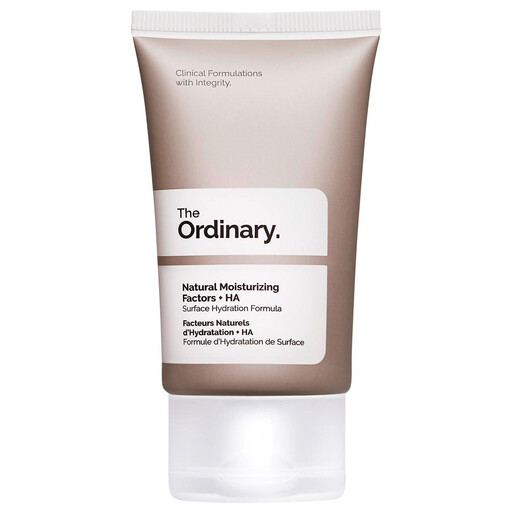
Why this product suits this profile: This compact face cream focuses on hydration with amino acids, fatty acids, glycerin and Sodium Hyaluronate. It is a straightforward starting point after a serum.
The formulation is free from fragrance, paraffin, colourants and silicones; however, you should still check the current packaging information.
Non-greasy care; intended for all skin types according to the product description.
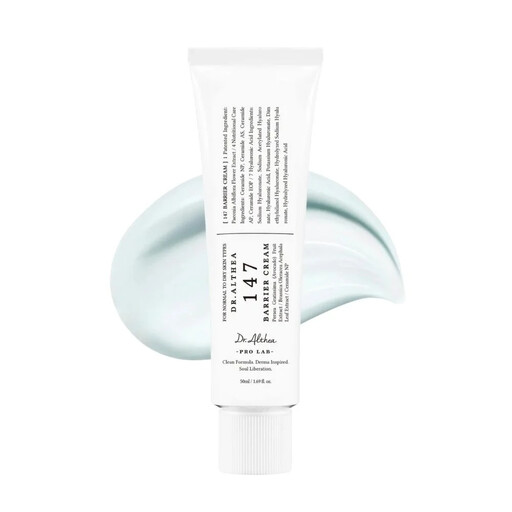
Why this product suits this profile: The formula combines ceramides, cholesterol and several forms of hyaluronic acid. It is aimed at users who specifically want to support their skin barrier.
The product information specifies the ceramide types included, rather than making general claims about barrier protection.
Seven forms of hyaluronic acid according to the product description; a silky finish with no residue described.
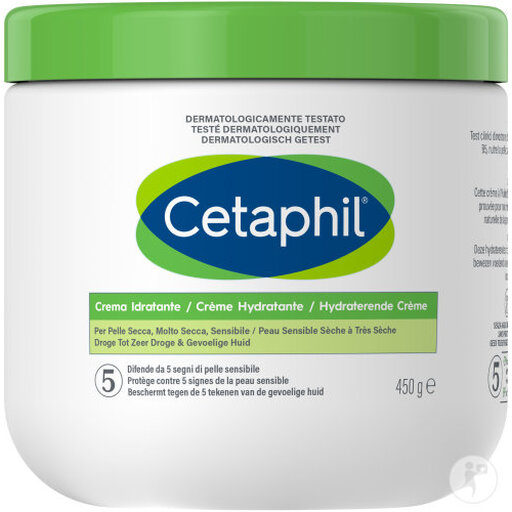
Why this product suits this profile: The large pack size is suitable for regular use on the face and dry areas of the body, provided the texture feels right for your skin.
The buying decision is based on the net quantity and listed ingredients, not on a small package with an unclear price-per-millilitre ratio.
Fragrance-free and non-comedogenic according to the product information; with glycerin, panthenol and niacinamide.
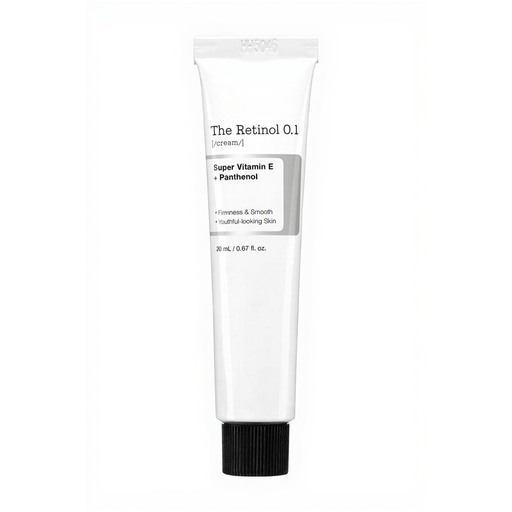
Why this product suits this profile: The stated retinol concentration of 0.1% and the gradual introduction make it appealing to users adding retinol to their evening routine for the first time.
The dosage is not presented as suitable for daily use from the outset: the product instructions initially recommend using it only a few times per week.
0.1% retinol; panthenol and adenosine are also listed among the ingredients. Sun protection is required during the day.
We have put together a complete, regularly updated list of products that fully meet these strict selection criteria and the safety regulations applicable in the EU.
Apply the cream after cleansing. Lightweight products such as serums or lotions are usually applied first, with the face cream as the final step in your skincare routine. On dry areas, applying an additional thin layer may be helpful, provided your skin tolerates it.
Introduce new products one at a time. This makes it easier to identify which formula has caused a reaction. When using retinol or AHA products, starting slowly is important. Combining several active products on the same evening increases the complexity of your routine and may place unnecessary stress on your skin.
For dry skin, consider formulas containing glycerin, hyaluronic acid, shea butter, oils or ceramides. The key is whether the cream feels comfortable and does not cause irritation. A rich formulation is not automatically suitable for every person with dry skin.
The expiry date and the PAO symbol on the packaging are the key references. Store the cream in a cool, dry place away from direct sunlight. Take products from jars with clean hands, and stop using a cream if its smell, colour or consistency has changed noticeably.
This depends on the product, concentration and your skin’s tolerance. The product instructions for The Retinol 0.1 Cream recommend introducing it gradually. When using retinol, apply sun protection during the day. Stop using the product if irritation persists and seek medical advice if necessary.