
Lieferung heute & morgen

Qualitätsgarantie

Willkommens-Angebote freischalten: KOSTENLOSE Lieferung | Bis zu 80 % RABATT | Kostenlose 30-Tage-JoyPlus-Testphase
App herunterladen
A face cream should provide moisture, care for the skin comfortably and fit into your daily routine. Yet choosing the right one often leads to disappointing purchases: a rich cream may feel too heavy on oily skin, while a lightweight gel texture may not be enough for dry skin. Terms such as “anti-ageing”, “brightening” or “firming” also do not automatically indicate whether a formula is suitable for your individual skin.
Terms such as anti-ageing cream, firming face cream or brightening face cream often refer to the desired skincare result, but say little about the actual formulation. The ingredients, their concentration and the usage instructions are what matter. For example, a cream containing niacinamide may be marketed for helping the skin look more even-toned without making any medical claims.
A face cream for dry skin often contains more emollient ingredients such as oils, shea butter or squalane. On combination or oily skin, however, such a formula may feel too rich. A moisturiser for the face with a gel texture is usually easier to wear under sun cream or make-up, but may not provide the same nourishing feel as a compact cream.
When choosing a cream for sensitive skin, it is worth checking the INCI list. Fragrances, essential oils and acids and retinoids used together may not be suitable for everyone. Even a formula promoted as gentle should first be tested on a small area of skin. If redness, stinging or itching occurs, stop using the product.
A niacinamide cream containing 5% niacinamide is not equivalent to a formula containing the ingredient in a lower amount. The concentration is also relevant when choosing a retinol cream. According to the product information, The Retinol 0.1 Cream contains 0.1% retinol and is intended to be introduced gradually in the evening. Retinol can make the skin more sensitive, so suitable sun protection is advisable during the day.
If you use AHA, BHA, vitamin C or retinol, avoid introducing several potentially irritating products at the same time. Introducing them gradually makes it easier to monitor how well your skin tolerates them.
Check the best-before date, batch number and the open-jar symbol indicating how long the product can be used after opening. Products containing active ingredients should be stored in a cool, dry place away from direct sunlight, in accordance with the manufacturer's instructions. How long a product lasts depends on the amount applied and how often it is used. A 20-ml product may last longer when applied only to specific areas than a 50-ml cream used generously over the face morning and evening.
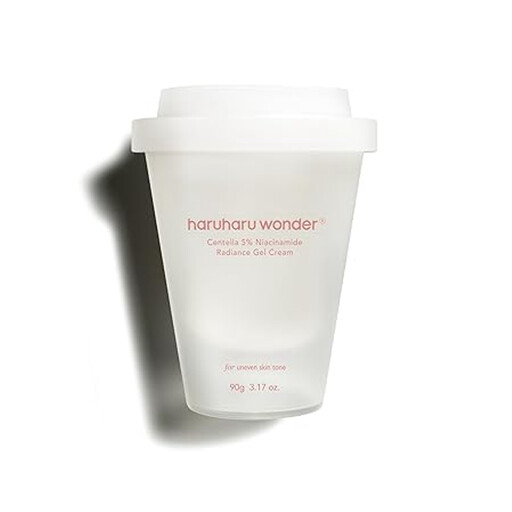
Why this product suits this profile: The 90-g gel cream is designed for a straightforward daily routine, combining hydration with a lightweight, fast-absorbing texture.
The product information states that it contains 5% niacinamide, 3.8% Centella asiatica leaf water and 2% squalane, with no added fragrance.
Lightweight gel cream suitable for morning and evening use; according to the product information, it can also be applied as a thicker night-time treatment.
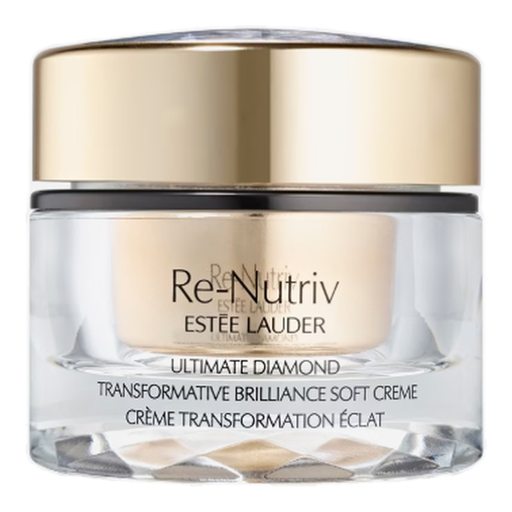
Why this product suits this profile: The richer texture and 30-ml size are aimed at people who value a comfortable skincare experience and a luxurious presentation.
The full product description lists specific ingredients such as glycerine, shea butter, sodium hyaluronate and peptides rather than making only general skincare claims.
Rich cream for the face and neck; the product information lists ascorbyl glucoside, shea butter and sodium hyaluronate.
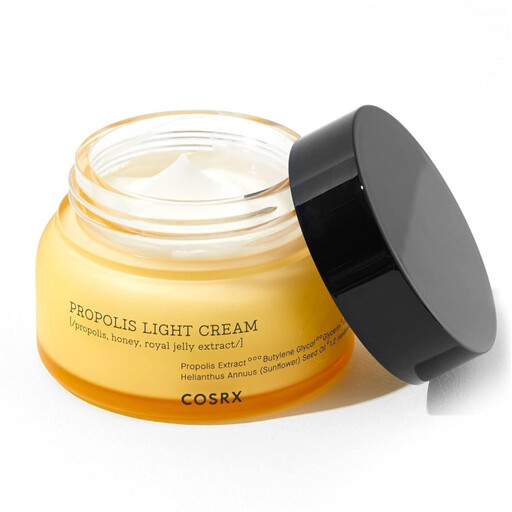
Why this product suits this profile: With its 65-ml size, this Korean face cream is designed for a regular morning and evening routine and, according to the product information, can be worn under make-up.
The formula is described as free from AHA and retinol, relying instead on propolis, honey and royal jelly extracts.
Lightweight cream with glycerine, sunflower oil and beeswax; specified for use on the face and body.
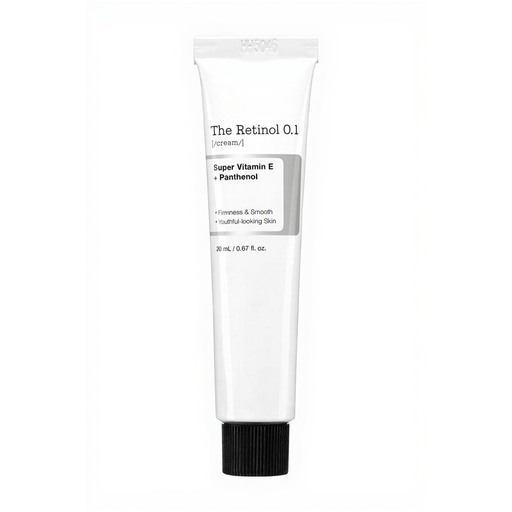
Why this product suits this profile: Its stated retinol concentration of 0.1% and compact 20-ml tube make it suitable for introducing retinol into your routine in a controlled way.
The product instructions initially recommend using it on three evenings per week. This allows you to monitor your individual skin tolerance gradually.
According to the INCI list, it contains panthenol, allantoin, adenosine and several forms of hyaluronic acid.
We have put together a complete, regularly updated list of products that fully meet these strict selection criteria and the safety regulations applicable in the EU.
Apply your face cream after cleansing, while the skin is slightly dry or still a little damp. A small amount is usually enough; applying too much product can leave a sticky feeling or cause it to pill under make-up. If your skin is dry, you can apply a serum underneath the cream. In the morning, use sun protection in addition to active ingredients such as retinol, AHA, BHA or brightening formulas.
Introduce new products into your routine one at a time. This makes it easier to identify whether a reaction has been caused by the face cream or another product. If skin problems persist, seeking advice from a dermatologist is advisable.
A richer face cream containing glycerine, hyaluronic acid, squalane, ceramides or plant oils may offer a suitable skincare profile. The texture and how it feels on your skin are also important. If your skin feels very tight, review your overall routine.
The open-jar symbol, the printed expiry date and the manufacturer's instructions are the key points to follow. If a cream changes in appearance, develops an unusual smell or visibly separates, stop using it. Hygienic application and storing the product away from light can help maintain its quality.
This depends on the individual formula and how well your skin tolerates it. According to the product information, The Retinol 0.1 Cream should be introduced gradually. If irritation occurs, stop using it for a while. Sun protection should be part of your daytime routine.