
Lieferung heute & morgen

Qualitätsgarantie

Willkommens-Angebote freischalten: KOSTENLOSE Lieferung | Bis zu 80 % RABATT | Kostenlose 30-Tage-JoyPlus-Testphase
App herunterladen
A face cream should provide moisture, spread comfortably and suit your individual skin condition. However, big promises on the packaging do not automatically lead to the right buying decision. A rich night cream may feel heavy on oily skin, while a lightweight gel cream may not be enough for dry skin.
The following selection criteria can help women and men in Germany assess marketing claims objectively and choose a suitable moisturiser for the face.
Terms such as “intensive”, “Energy” or “Anti-Aging” often describe a product’s positioning, but do not necessarily indicate whether it is suitable for your skin. A face cream for dry skin often contains nourishing, lipid-replenishing ingredients such as shea butter or oils. However, this type of texture may feel too rich on oily or blemish-prone skin.
If you are looking for an oil-free face cream, do not just look at the front of the packaging. Check the full INCI list and the texture description as well.
Hyaluronic acid, Q10, vitamin C, niacinamide and retinol are frequently mentioned ingredients. However, simply listing them says nothing about their concentration, skin tolerance or the visible results they will produce for every individual.
Timeframes such as “after 24 hours” or “in just a few days” should be viewed as brand-specific marketing claims. According to NIVEA’s product descriptions, some Q10 and Cellular products are said to produce visible changes within specific periods. This is not a general guarantee for every skin type.
Perfume, essential oils and certain types of alcohol may be relevant for some skin types. When choosing a face cream for sensitive skin, it is therefore worth checking for fragrances such as Limonene, Linalool or Citral. “Dermatologically tested” does not mean that a reaction can be ruled out for every person.
When trying a new skincare product, it is advisable to carry out a patch test on a small area of skin. Stop using the product if you experience burning, persistent redness or itching.
Typical ingredients for daily skincare include humectants such as glycerin, panthenol and hyaluronic acid. They help to leave skin feeling smooth and supple. Nourishing, lipid-replenishing ingredients such as shea butter, squalane and certain oils can be beneficial for dry skin, but their effect depends on the formulation.
A moisturiser for men does not necessarily differ in its basic requirements. Skin type, shaving habits, preferred texture and personal fragrance preferences are more important.
A night cream for the face is often richer in texture and is applied in the evening to cleansed skin. If a product contains retinol or Retinyl Palmitate, follow the instructions for use particularly carefully. During the day, separate sun protection is a sensible addition, as a regular face cream does not automatically provide UV protection.
Formulations containing panthenol or aloe vera are commonly used for post-shave care. However, fragrances and alcohol may feel uncomfortable on freshly shaved skin.
An anti-ageing cream or face cream for wrinkles can moisturise the skin, making lines temporarily appear less noticeable. Claims about wrinkles, firmness or collagen should always be understood as specific brand claims. According to NIVEA’s clinical study, certain products are described as producing specific visible effects within a stated period. This information relates to the individual product and does not replace a personal assessment.
For blemish-prone skin, it is worth checking for acids and niacinamide. A face cream for blemish-prone skin should not automatically be equated with medical treatment. If you experience inflammatory or recurring skin problems, dermatological advice is recommended.
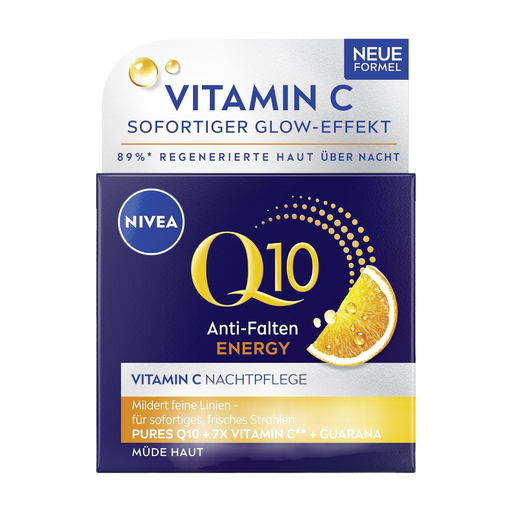
Why this product suits this profile: According to the product description, this 50-ml night cream combines Q10, vitamin C and guarana extract and is intended for tired or dull-looking skin.
Its clear positioning as an evening treatment makes it easier to choose than a cream marketed for universal use. Perfume is included in the INCI list and should be taken into account if you have sensitive skin.
Q10, Sodium Ascorbyl Phosphate and panthenol; apply in the evening to cleansed skin.
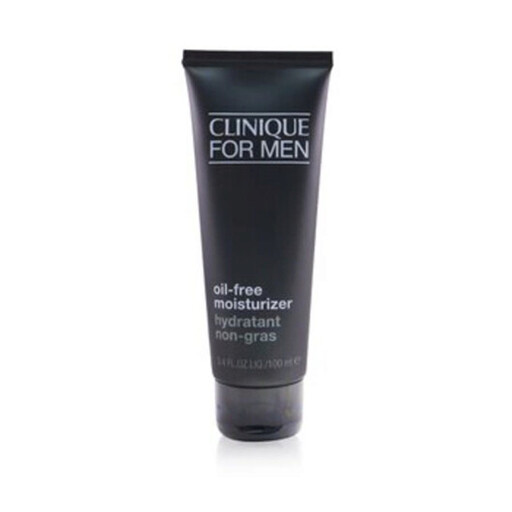
Why this product suits this profile: This lightweight gel lotion is positioned for oily, combination or sensitive skin and is described as fragrance-free.
The oil-free formulation reduces the risk of an overly heavy texture. Check the INCI list against the current packaging before buying.
100 ml capacity; according to the product description, free from perfume, parabens, phthalates, alcohol and sulphates.
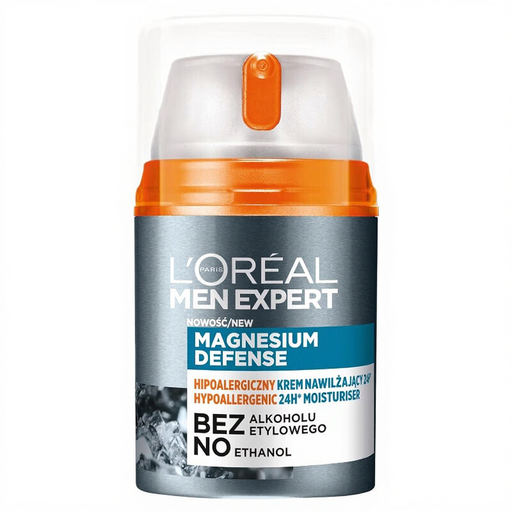
Why this product suits this profile: According to the product description, this daytime moisturiser for men is designed for sensitive skin and use after shaving.
The product description states that the formula is alcohol-free. Nevertheless, you should consider individual reactions and check the full ingredients list.
Contains magnesium and hyaluronic acid; 50 ml capacity and non-greasy texture according to the product details.
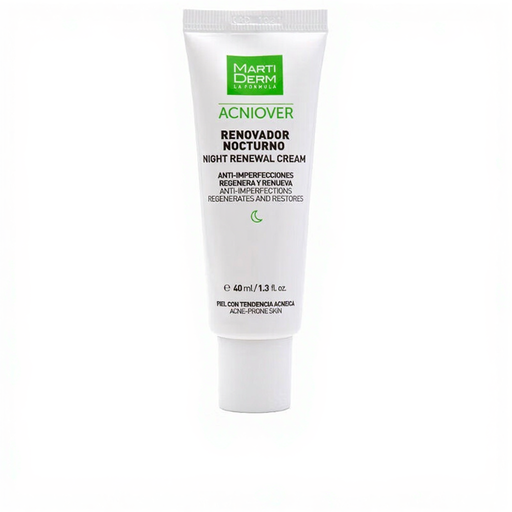
Why this product suits this profile: According to the product description, this night cream is intended for oily and blemish-prone skin and contains glycolic, mandelic and salicylic acids as well as niacinamide.
The acids are clearly identified, making the intended use easier to understand. If you have sensitive skin, introduce the product gradually and do not combine it with other acid-based products.
Targeted combination of AHA, salicylic acid and niacinamide; use in the evening.
We have compiled a complete, regularly updated list of products that fully meet these strict selection criteria and the safety regulations applicable in the EU.
Apply face cream to cleansed, slightly dry skin. A small amount is usually enough for your face and neck; the precise quantity depends on the product’s texture and the manufacturer’s instructions. Avoid the eye area and damaged skin unless the product is specifically intended for these areas.
Pay attention to the PAO symbol on the packaging. It indicates how long a cosmetic product should be used after opening. Heat, direct sunlight and frequently dipping your fingers into the product can affect its quality. Do not continue using the cream if its smell, colour or consistency has changed.
A face cream for dry skin often contains glycerin, panthenol, shea butter, squalane or other nourishing, lipid-replenishing ingredients. How your skin feels is key: if it starts to feel tight again shortly afterwards, a richer texture may be more suitable. If dryness or irritation persists, the cause should be assessed by a dermatologist.
Most products are used once or twice a day. A day cream can be applied in the morning and a night cream in the evening. After shaving, monitor your skin first, as some fragrances or alcohol-based formulations may sting.
The PAO symbol on the product is the decisive factor. It indicates, for example, the recommended period of use after opening. You should also store the cream in a dry place away from direct heat and follow the specific labelling on the packaging.