
Lieferung heute & morgen

Qualitätsgarantie

Willkommens-Angebote freischalten: KOSTENLOSE Lieferung | Bis zu 80 % RABATT | Kostenlose 30-Tage-JoyPlus-Testphase
App herunterladen
A face cream should provide moisture, spread comfortably and fit into your skincare routine. Yet choosing the right product often leads to disappointing purchases: a lightweight gel cream may not be rich enough for very dry skin, while a highly occlusive formula can feel uncomfortable on oily or blemish-prone skin. The key factors are therefore not attention-grabbing marketing claims, but your skin’s needs, the ingredient list, texture and directions for use.
Names such as “Barrier Repair”, “Glow” or “Anti-Aging” often describe a product’s positioning, but do not guarantee a particular effect. Hyaluronic acid, niacinamide, ceramides and vitamin C derivatives can perform different functions within a formulation. Actual suitability depends, among other things, on concentration, composition and individual tolerance.
A rich cream containing oils, waxes or butters may feel well suited to dry skin. On combination or oily skin, however, it can feel heavy. A water-based gel cream is usually lighter, but may not provide enough lipids for very dry areas of skin. If you are looking for a moisturiser for your face, you should therefore consider not only the active ingredient, but also the finish.
Products for babies, nappy areas or the body may have different priorities, such as protecting against moisture loss with zinc oxide, wax or lanolin. They are not automatically designed for use as daily facial skincare for adults. Even a face cream for sensitive skin should be checked before purchase for fragrances, essential oils and its intended use.
Hyaluronic acid is often listed in INCI lists as “Sodium Hyaluronate”, “Hydrolyzed Hyaluronic Acid” or under similar names. A face cream with hyaluronic acid can support moisture retention in the upper layer of the skin.
Niacinamide appears under the INCI name “Niacinamide”. A face cream with niacinamide may appeal to users who prefer a versatile skincare product. For sensitive skin, however, it is still advisable to introduce it gradually.
Ceramides and cholesterol are typical ingredients in a Barrier Repair Cream. They are particularly suitable for routines that focus on protecting the skin’s surface and maintaining a comfortable skin feel. Vitamin C derivatives, tranexamic acid and retinal, on the other hand, are more active-focused ingredients. Pay particular attention to the directions for use and sun protection when using these products.
Check the following before buying:
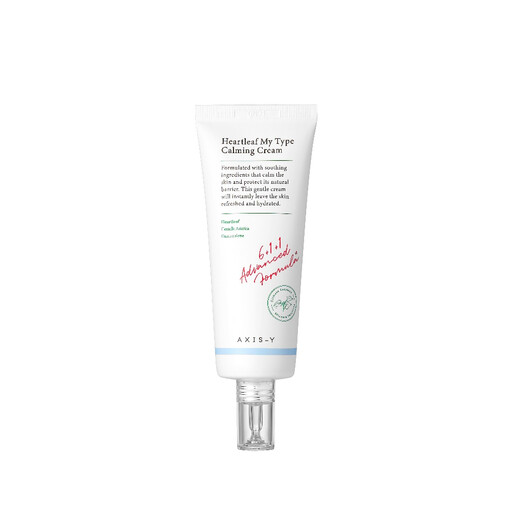
Why this product suits the profile: This 60-ml gel cream is designed for lightweight daily facial skincare and may appeal to those with combination, oily or sensitive-feeling skin.
According to the product description, the water-based gel cream absorbs quickly and is described as non-comedogenic. The current INCI list should be checked against any personal intolerances before purchase.
Heartleaf extract, Centella asiatica, glycerin and Sodium Hyaluronate; lightweight texture for morning and evening use.
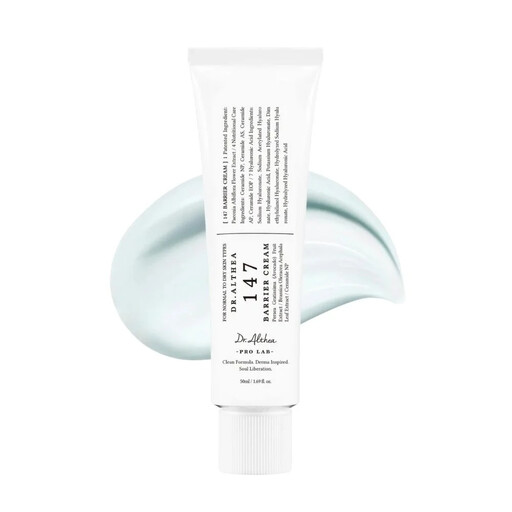
Why this product suits the profile: This 50-ml cream is aimed at users who prefer richer barrier care with several forms of hyaluronic acid.
The product information describes a silky, residue-free texture. If you have very oily skin, you should also check whether the lipids and silicones it contains suit your personal skin feel.
Ceramides, cholesterol, glycerin and seven listed hyaluronic acid variants; suitable for use as the final or penultimate step in your routine.
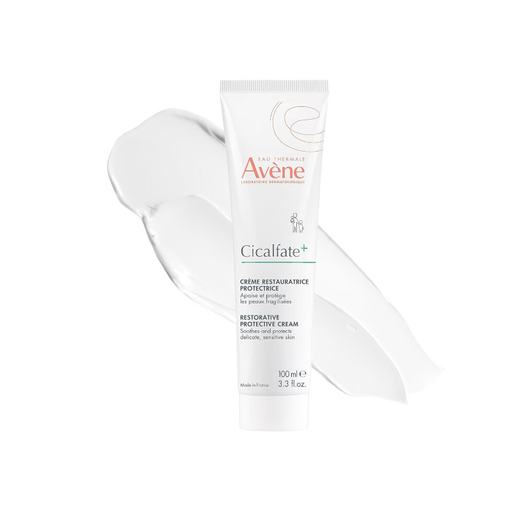
Why this product suits the profile: This 100-ml cream is intended for targeted care of stressed areas of skin and can be used as an additional protective treatment.
Its clearly defined purpose helps prevent a protective, richer cream from being confused with a lightweight daily moisturiser. According to the product information, it can be applied only to affected areas.
100 ml contents; glycerin, zinc oxide and a protective cream base according to the listed product information.
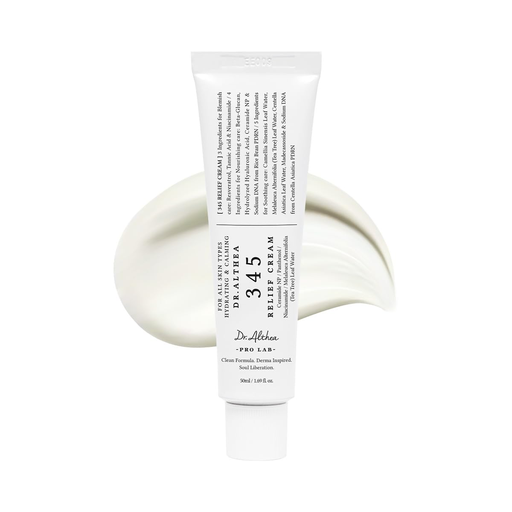
Why this product suits the profile: According to the product information, this Korean gel cream is intended for sensitive, reddened, combination and blemish-prone skin.
The gel-like texture addresses the problem of skincare feeling too heavy. Check the INCI information before use and test new products on a small area of skin first.
Niacinamide, panthenol, Centella ingredients, ceramide NP and Sodium Hyaluronate according to the product list; suitable for morning and evening use.
We have put together a complete, regularly updated list of products that fully meet these strict selection criteria and the safety regulations applicable in the EU.
After gentle cleansing, apply a small amount to the face and neck. If you use several skincare products, follow the order from lightest to richest: toner or serum before cream. In the morning, apply separate sun protection unless the face cream provides a clearly stated level of adequate UV protection. New active products should not be introduced at the same time as several potentially irritating exfoliants or highly concentrated actives.
A relatively simple formula without any personal irritants can make choosing easier. Pay attention to the directions for use, fragrances and patch testing. If you experience recurring or severe skin reactions, it is advisable to seek dermatological advice.
For many routines, it is suitable to apply face cream in the morning and evening. The amount needed depends on the texture, condition of your skin and the time of year. Richer skincare may feel more comfortable in dry centrally heated air, while a lightweight gel cream may be preferable in summer.
The printed best-before date, the symbol indicating how long the product lasts after opening and the manufacturer’s information are the key points to consider. Store the cream in a dry, cool place away from direct sunlight. If its smell, colour or consistency changes noticeably, it should no longer be used.