
Lieferung heute & morgen

Qualitätsgarantie

Willkommens-Angebote freischalten: KOSTENLOSE Lieferung | Bis zu 80 % RABATT | Kostenlose 30-Tage-JoyPlus-Testphase
App herunterladen
Dark spots, an uneven skin tone or a dull complexion can't be judged by terms like "brightening" or "glow" alone when choosing a product. A face cream for dark spots should suit your skin type, skincare routine and desired application. The full INCI list, the texture and consistent sun protection are what really matter.
"Whitening", "Radiance" or "Anti-Pigment" initially only describe a product's focus. What's more telling is whether specific ingredients such as Niacinamide, Vitamin C derivatives, Alpha-Arbutin, Tranexamic Acid or Gluconolactone appear on the ingredients list. However, the concentration isn't always stated on every product and can change with a formulation update.
A brightening face cream can only play a limited role in a skincare routine for visible discolouration during the day without additional UV protection. UV radiation can encourage the formation or intensification of dark spots. A product with SPF 30 is practical, but it doesn't automatically replace the need to reapply a suitable sunscreen when you're exposed to the sun for longer periods.
Vitamin C, acids, niacinamide and other skincare actives can be combined in a routine, but they don't all need to be introduced at the same time. For dry or sensitive skin, it makes sense to start with one product and observe how your skin reacts. If you experience stinging, redness or itching, you should stop using it.
Different formulations can help achieve a more even-looking skin tone:
The cosmetic effect is individual and usually requires regular use. A cream doesn't change the cause of every skin change. If you notice new, changing or unusual spots, you should get a dermatologist's opinion.
Normal to dry skin often benefits from creamier formulations with glycerin, oils or squalane. For combination skin, a light gel-cream can be more comfortable. Sensitive skin should pay particular attention to fragrances, Alcohol Denat. and acids in the INCI list. Even a cream marketed as "gentle" should first be tested on a small area of skin.
The current ingredients list on the packaging is what counts, as formulations can change. Additionally, buyers should look out for the following points:
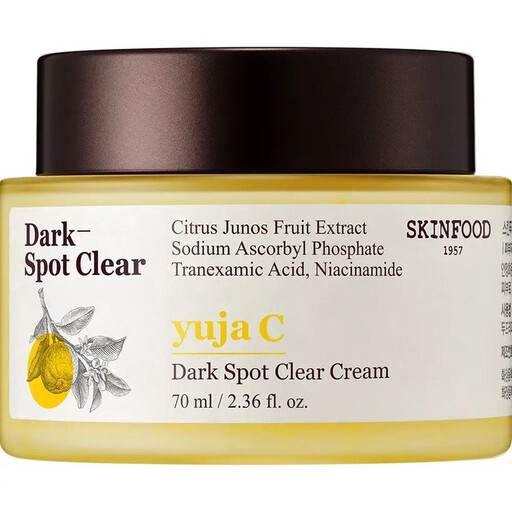
Why this product fits the profile: This light cream combines niacinamide, a Vitamin C derivative, Yuja extract, glycerin and sodium hyaluronate. It's suitable for people with normal to dry skin who want a straightforward daily skincare product.
The INCI list names specific humectants and soothing ingredients like Panthenol and Allantoin, rather than just vague glow promises. Additional sun protection is recommended for daytime use.
70 ml content, light texture and several moisturising ingredients.
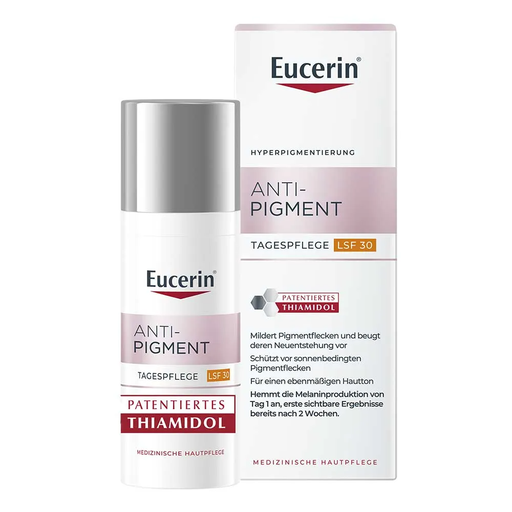
Why this product fits the profile: This day cream combines the brand's active ingredient Thiamidol with a stated SPF 30 and protection against UVA, UVB and blue light. That's relevant for a morning routine with as few steps as possible.
The sun protection factor is clearly stated. The usage instructions limit products with Thiamidol to a maximum of four applications per day.
SPF 30, fast-absorbing texture and a defined brand active ingredient.
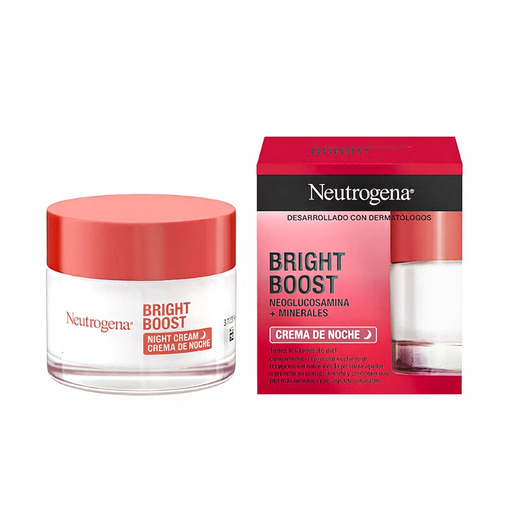
Why this product fits the profile: This night cream contains Mandelic Acid, Gluconolactone, Acetyl Glucosamine, Glycerin and Squalane. It's aimed at people who prefer an evening skincare product with exfoliating ingredients.
The acids are clearly visible on the ingredients list. This makes it easy to distinguish this cream from other exfoliating products in your routine.
50 ml content, acid combination and nourishing ingredients like Squalane.
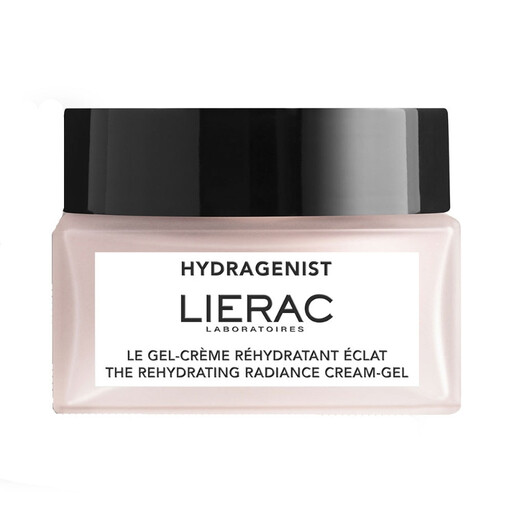
Why this product fits the profile: This gel-cream contains Hyaluronic Acid and, according to the product description, is intended for normal, combination and sensitive skin. It works well as a moisturising step when you don't want your pigment care to be drying.
The focus is clearly on moisture and a light texture, not on a vague brightening promise. A separate product for dark spots can be added as needed.
Gel-cream texture, Hyaluronic Acid and, according to the product description, 98% ingredients of natural origin.
We've put together a complete, regularly updated list of products that fully meet these strict selection criteria and the safety regulations in force in the EU.
In the morning, apply the face cream after cleansing and, if you use one, a serum. Then follow with a sunscreen if the cream doesn't provide adequate sun protection. In the evening, you can use products with acids or more intensive active ingredient combinations. Introduce new products one at a time so that any reactions can be more easily identified.
Cosmetic changes don't reliably appear after just a few uses. Regular use over several weeks is common, with skin type, your starting point and sun protection all playing a role. You should follow the manufacturer's instructions for use and tolerance.
This is generally possible, as long as your skin tolerates both products. For sensitive skin, a gradual introduction is recommended. Alternatively, you could choose a product like the SKINFOOD Yuja C Dark Spot Clear Cream, which already combines niacinamide and a Vitamin C derivative in one formulation.
SPF 30 is a clear, tested value for a product's stated UV protection. How long and under what conditions this protection is sufficient depends on the amount applied, the sun's intensity and how long you spend outdoors. In direct or prolonged sun, the instructions on your sunscreen product and regular reapplication are what matter.