
Lieferung heute & morgen

Qualitätsgarantie

Willkommens-Angebote freischalten: KOSTENLOSE Lieferung | Bis zu 80 % RABATT | Kostenlose 30-Tage-JoyPlus-Testphase
App herunterladen
Dark spots, fine lines and an uneven skin tone often appear together. A face cream for dark spots and wrinkles should therefore do more than just make a single promise – it needs to suit your skin type, your routine and how you intend to use it.
Many disappointing purchases come down to three common marketing traps:
A cream for hyperpigmentation or a brightening face cream uses different ingredients:
The term “firming face cream”, on the other hand, usually describes a cosmetic aim rather than a guaranteed change in skin structure.
A night cream with retinol or acids isn’t automatically right for every skin type. If you have sensitive or dry skin, a hydrating face cream, a simple formula and a reduced frequency of use are often a better choice.
Look out for:
Always test a new product on a small area of skin first. If you experience persistent redness, burning or itching, stop using it. If you notice any unusual or changing skin spots, you should see a dermatologist.
If you’re using products with retinoids or AHAs, a suitable broad-spectrum sunscreen is recommended during the day. Even a cream for dark spots may not live up to expectations without consistent UV protection. The RoC Multi Correxion Even Tone Lift Daily Moisturiser is said to contain SPF 30. Depending on how long you spend outdoors and how much product you apply, a separate sunscreen may still be a good idea.
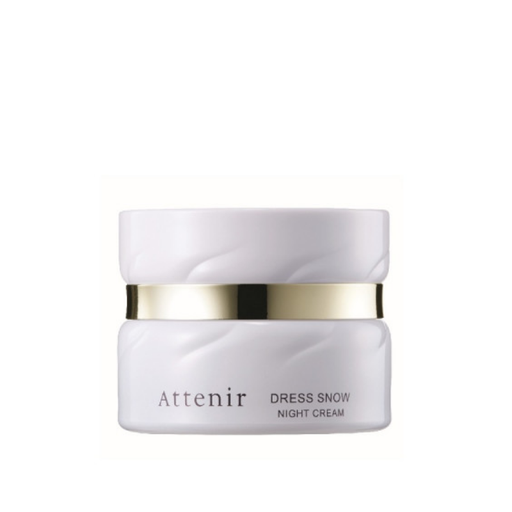
Why this product fits the profile: This rich night cream is ideal for anyone who wants to combine pigment care with intensive hydration in one evening product.
Its use is clearly intended for the evening. This makes it easier to separate from a separate daytime sunscreen.
Niacinamide as a declared active ingredient and a rich texture for night-time use, according to the product description.
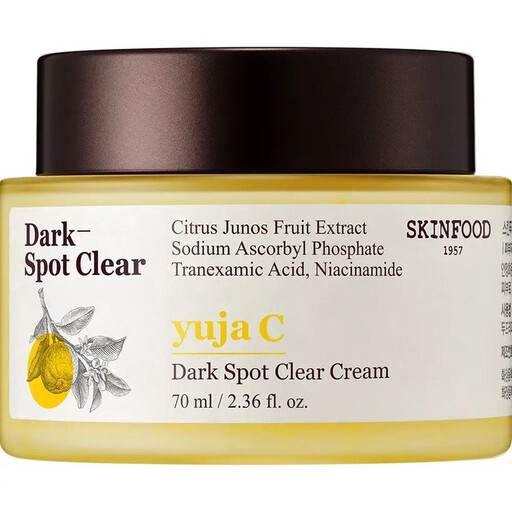
Why this product fits the profile: According to its INCI, this daily cream combines niacinamide, ascorbyl glucoside, yuja extract, tranexamic acid and hydrating ingredients.
The product details list specific ingredients rather than just a vague brightening promise. You should check the INCI list against the packaging before buying.
70 ml content, a light texture according to the description, plus panthenol, allantoin, glycerin and sodium hyaluronate.
We’ve put together a full, regularly updated list of products that meet these strict selection criteria and comply with EU safety regulations.
In the morning, a gentle cleanser is usually enough, followed by a niacinamide cream, a vitamin C face cream or a hydrating face cream, and then sunscreen. In the evening, depending on your skin’s tolerance, you can use a product with retinol, retinal, AHA or a brightening ingredient.
Don’t use several strong active products at the same time. For a face cream for mature skin, the texture should also suit your skin type: rich formulations are better for dry skin, while light gel creams work well when you need extra hydration without a greasy feel.
That depends on your main concern. Niacinamide, vitamin C derivatives, tranexamic acid or alpha-arbutin are often used to promote a more even-looking complexion. Retinol and retinal are typical ingredients in an anti-ageing face cream. A product with glycerin, hyaluronic acid or ceramides can complement your routine if you have dry skin.
Start with a few applications per week, following the product instructions, and only increase the frequency if your skin tolerates it well. Sunscreen is important during the day. Don’t automatically combine retinol products with other retinoids. If irritation persists, take a break from using it.
Check the printed expiry date and the PAO symbol on the packaging, for example “12M”. Store the cream in a dry, cool place away from direct sunlight. If the smell, colour or consistency changes noticeably, stop using the product.