
Lieferung heute & morgen

Qualitätsgarantie

Willkommens-Angebote freischalten: KOSTENLOSE Lieferung | Bis zu 80 % RABATT | Kostenlose 30-Tage-JoyPlus-Testphase
App herunterladen
Dry, sensitive skin won’t necessarily respond well to every rich face cream. Some formulas feel pleasant at first but leave a film on the skin, while others contain fragrances that may not suit sensitive skin. If you’re looking for a face cream for dry and sensitive skin, focus less on bold marketing claims and more on the formula, how to use it and how well your skin tolerates it.
A particularly rich texture can feel soothing on very dry skin. But on combination skin, or sensitive skin that’s prone to blemishes, it may feel too heavy. What matters is the combination of humectants, lipids and texture – not simply the label ‘nourishing face cream’.
Korean face creams often contain ferments, plant extracts or fragrance. These ingredients may be part of how a product is positioned, but they don’t tell you on their own how well your skin will tolerate it. If your skin is reactive, it’s worth doing a patch test on a small area before applying the product more widely.
Terms such as ‘soothing face cream’ or ‘repair cream’ usually describe the intended skincare positioning. They don’t replace a dermatological diagnosis or prove that a product has a therapeutic effect. If you have persistent redness, severe itching, weeping areas or sudden changes to your skin, seek medical advice to find out what’s causing them.
A good face moisturiser often combines several types of ingredients:
A skin barrier cream with ceramides isn’t automatically a better choice for everyone than a lighter lotion. Check the full INCI list and consider the texture you prefer.
A face cream with ceramides may appeal if you’re specifically looking for barrier-focused skincare. Panthenol is often used in a panthenol face cream. However, neither ingredient alone guarantees that your skin will tolerate a product well.
If you have sensitive skin, it’s worth checking for:
Formulas can change, so always check the ingredients list on the packaging.
Apply the cream after cleansing, when your skin is slightly dry or still just a little damp. A small amount is often enough for dry skin; applying too much can feel sticky or cause the product to pill under sunscreen and make-up. Finish your daytime routine with a suitable sunscreen.
When trying a new cream, it’s a good idea to:
The products below are matched to different everyday needs based on their stated ingredients, textures and directions for use. This is not medical advice.
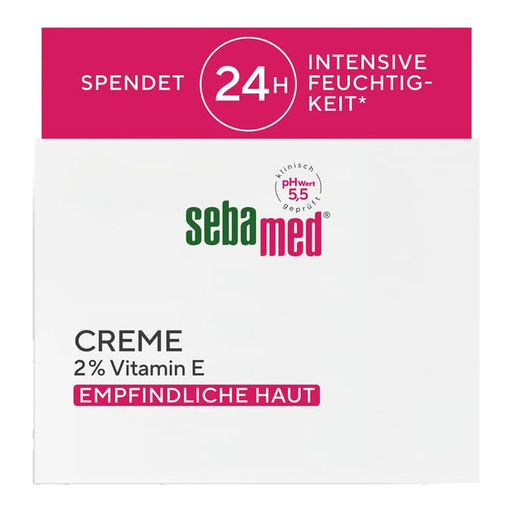
Why this product suits this profile: The 75 ml pack is designed for regular use on the face, neck and décolletage, and is easy to add to your daily routine.
The stated oil-in-water emulsion and pH of 5.5 offer more useful guidance than a general marketing claim about ‘intensive care’.
75 ml, 2% vitamin E according to the product information, and suitable for use in the morning or evening.
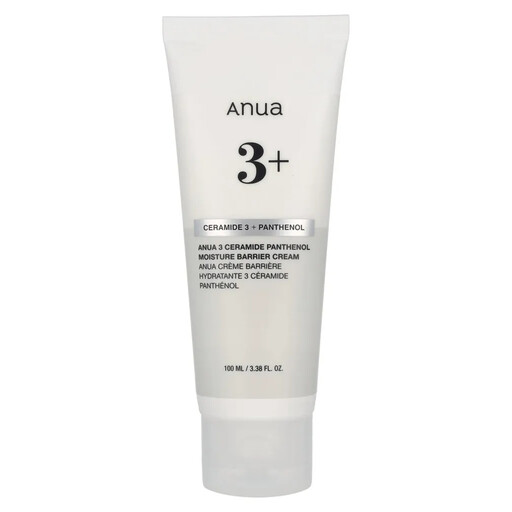
Why this product suits this profile: If you’re looking specifically for ceramides, panthenol and a larger pack, this is a clearly presented option for daily facial skincare.
The INCI list includes Ceramide NP, AP and EOP, as well as panthenol. This makes it easier to assess the formula objectively than relying on the term ‘skin barrier’ alone.
100 ml, panthenol, hyaluronic acid, Centella asiatica extract and three listed types of ceramide.
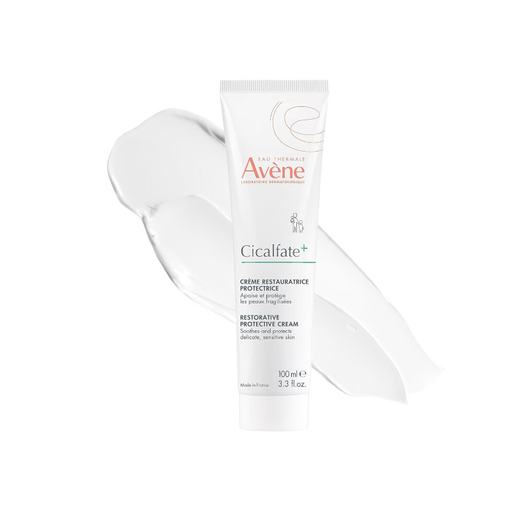
Why this product suits this profile: According to the product information, this cream is intended for targeted care of areas of stressed skin and can be used once or twice a day as needed.
Using it as a targeted treatment means you don’t have to apply a very rich cream all over your face.
100 ml, a creamy texture, plus glycerin, zinc oxide and other ingredients listed in the product description.
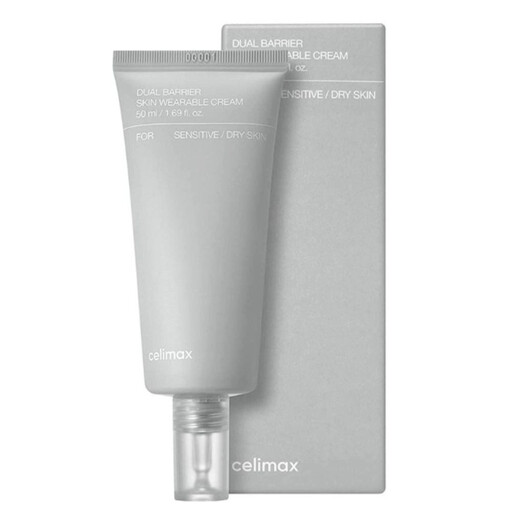
Why this product suits this profile: Its stated light texture and suitability for morning and evening use make it a good fit for routines where you don’t want your cream to feel heavy on your skin.
The product information describes a non-heavy texture, and the INCI list includes ceramides and panthenol.
50 ml, Ceramide NP, NS, AS, AP and EOP according to the INCI list, and suitable for use in the morning and evening.
We’ve put together a complete, regularly updated list of products that meet these strict selection criteria and fully comply with the safety regulations in force in the EU.
In most cases, applying it morning and evening after cleansing is enough. If you have very dry patches, you may find an extra small amount helpful, as long as your skin tolerates the cream well. During the day, follow with a suitable sunscreen.
Check the period-after-opening symbol on the packaging, the best-before date and the manufacturer’s instructions. If the smell, colour or texture changes noticeably, stop using the product. Taking cream out with clean hands and storing it away from direct sunlight can help it keep for the stated period.
The price depends on factors including the brand, pack size, packaging and ingredients. Compare the price per 100 ml rather than looking only at the pack price. A smaller cream that your skin tolerates well may be more practical for everyday use than a larger product that you rarely reach for because the texture doesn’t suit you.