
Lieferung heute & morgen

Qualitätsgarantie

Willkommens-Angebote freischalten: KOSTENLOSE Lieferung | Bis zu 80 % RABATT | Kostenlose 30-Tage-JoyPlus-Testphase
App herunterladen
A feeling of tightness, rough patches or reddened skin can quickly lead you to add any rich cream to your basket. However, when choosing a face cream for dry and sensitive skin, it is worth taking a closer look at the formula, texture and application. Not every intensive moisturiser is suitable for every skin concern.
A very rich, oily texture can feel pleasant on extremely dry skin. However, on combination skin or when applied under sun cream and make-up, it may feel sticky or pill. The key factor is therefore not just the oil content, but the balance of humectants, lipids and protective ingredients.
Terms such as hyaluronic acid, ceramides, Centella or PDRN sound convincing. On their own, however, they do not tell you whether a facial moisturiser will be a comfortable addition to your routine. The concentration, overall formulation and your individual tolerance are equally relevant. Claims such as “repair” or “regeneration” should be understood as product descriptions and are not a substitute for a dermatological diagnosis.
“Sensitive skin” on the packaging is not a consistent standard. You should therefore check the current INCI list. Fragrances, essential oils, numerous plant extracts or active ingredients may be undesirable for some people. Even a soothing face cream should first be tested on a small area of skin.
Glycerin and hyaluronic acid are widely used humectants. They bind water to the surface of the skin or within its upper layers. Ceramides, cholesterol, fatty acids, squalane or plant oils complement a formula with lipids. A barrier cream is particularly worth considering if your skin feels dry, rough or tight after cleansing.
According to the product description, the “7 types of hyaluronic acid” in the Dr. Althea 147 Barrier Repair Cream refers to a multi-layer hyaluronic acid complex. However, this should not be understood as a guarantee of a specific duration of hydration.
Panthenol, Centella, bisabolol and allantoin are commonly used in skincare products for sensitive skin. Retinol, on the other hand, is an active ingredient that should be introduced gradually. For dry or irritated skin, a face cream for dry skin containing retinol is not automatically the best first choice.
Also pay attention to the pack size, recommended use and period after opening. With products containing plant oils or fragrance, individual tolerance is particularly important. The product information on the packaging takes priority, as INCI lists may change.
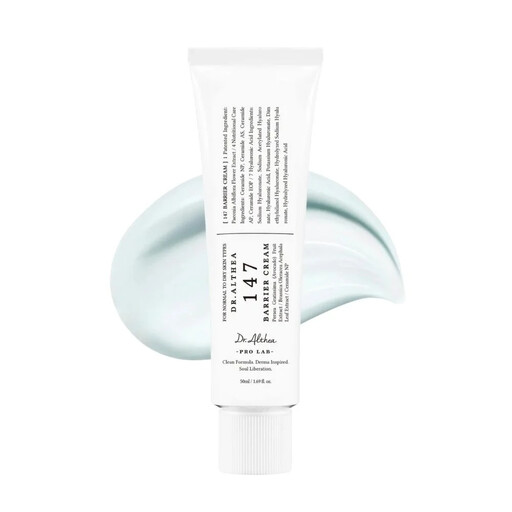
Why this product suits this profile: If you are looking for a Korean face cream with a clearly stated barrier-focused formula, this product offers a formulation with several ceramides and different forms of hyaluronic acid.
The product description lists bisabolol, ceramides, cholesterol and a hyaluronic acid complex. This makes it possible to assess the choice based on specific INCI parameters rather than marketing terms alone.
50-ml jar; several types of ceramides and seven listed hyaluronic acid variants according to the product description.
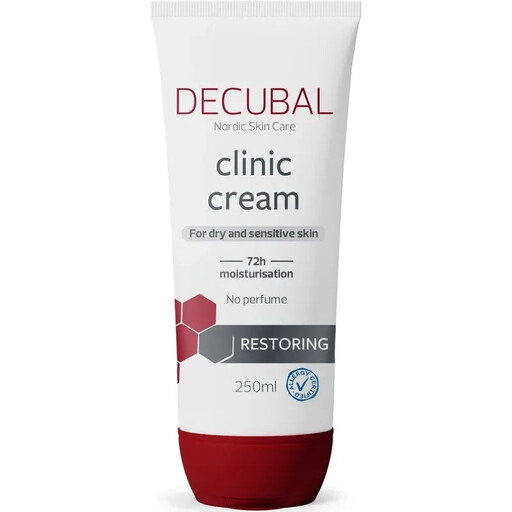
Why this product suits this profile: The large 250-g pack is suitable for people who want to use a rich moisturiser regularly on the face and particularly dry areas of the body.
According to the product description, this cream is free from perfume and colourants and contains a stated lipid content of 38%. This makes it easier to assess for users who want to avoid fragrance.
250 g content; glycerin, lanolin and dimethicone; perfume- and colourant-free according to the product description.
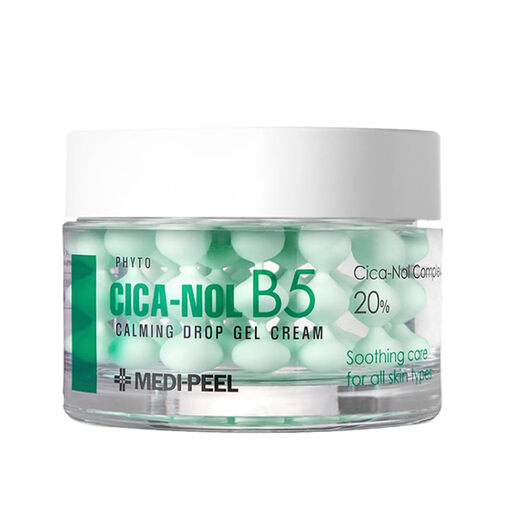
Why this product suits this profile: According to the product description, this gel cream is designed for sensitive skin and can be incorporated into a short morning or evening routine.
Alongside panthenol, the INCI list includes ceramides and hyaluronic acid. At the same time, you should take the added fragrance into account if you want your personal routine to remain fragrance-free.
50 ml; panthenol, Centella extract, ceramides and several moisture-binding ingredients according to the product information.
We have put together a complete, regularly updated list of products that fully meet these strict selection criteria and the safety regulations applicable in the EU.
A simple routine for dry or sensitive skin could look like this:
A skin barrier repair cream should not be applied to open wounds or visibly damaged skin unless the product information specifically permits it. If persistent redness, severe itching, swelling or burning occurs, stop using the product and seek medical advice.
Look for a combination of humectants and lipids. Ceramides, cholesterol, glycerin, squalane or dimethicone may be relevant depending on the formulation. For very dry skin, a richer cream such as the Decubal Restoring Clinic Cream may be more suitable than a lightweight gel cream.
This depends on the product instructions and how your skin feels. Many creams are used morning and evening after cleansing. With a heavy texture, a thin layer in the evening or targeted application to dry areas may be sufficient.
The best-before date and the open-jar symbol on the packaging are the key points to follow. Keep the cream tightly closed, in a dry place and protected from direct sunlight. If its colour, smell or consistency changes, it should no longer be used.