
Lieferung heute & morgen

Qualitätsgarantie

Willkommens-Angebote freischalten: KOSTENLOSE Lieferung | Bis zu 80 % RABATT | Kostenlose 30-Tage-JoyPlus-Testphase
App herunterladen
Dry, sensitive or dehydrated skin does not automatically respond well to every rich facial moisturiser. A formula that is too light can leave skin feeling tight, while a highly occlusive texture may create an uncomfortable shine or pill beneath make-up. If you are looking for a face cream for dry and sensitive skin, you should therefore look beyond terms such as “intense hydration” or “barrier protection”.
Hyaluronic acid, ceramides, PDRN and plant extracts are interesting ingredients, but on their own they reveal little about how suitable a formula is for everyday use. What matters is the overall composition, skin compatibility and texture. A hyaluronic acid cream, for example, may help bind moisture, but it also needs a suitable cream base to feel comfortable on the skin.
PDRN is also frequently promoted in Korean skincare. In cosmetic products, the ingredient should be viewed objectively as part of the formulation. Medical or therapeutic effects cannot be inferred from this alone.
Sensitive skin can react to fragrances, essential oils, alcohol or certain plant extracts. It is therefore worth checking the complete INCI list. If you have known intolerances, products containing the relevant ingredients should be ruled out. A patch test on a small area of skin before the first full application can provide additional guidance.
A very rich cream is not necessarily the right solution for dehydrated skin. If you are looking for a non-greasy moisturiser, pay attention to the stated texture and to lightweight humectants such as glycerin. A richer moisturiser may be helpful for particularly dry areas, while combination skin often benefits from a lighter gel-cream.
Glycerin, different forms of hyaluronic acid, panthenol and beta-glucan are often used to provide hydration. Several hyaluronic acid derivatives may be included in one formula, but this does not automatically indicate a particular depth of action. The application instructions are also relevant: a cream is usually applied after lighter skincare products and may help keep existing moisture in the skin for longer.
A barrier-supporting cream often contains ceramides, cholesterol, fatty acids, squalane or skin-identical lipids. These ingredient groups are particularly interesting if your skin feels dry, rough or tight. A ceramide cream can therefore be a sensible option for everyday facial care. “Strengthening the skin barrier” should be understood as a cosmetic skincare description, not a medical promise.
Fast-absorbing emulsions and gel-creams are often suitable for mornings under sun protection or make-up. Rich creams may feel more comfortable in the evening or on dry areas of skin. Also check:
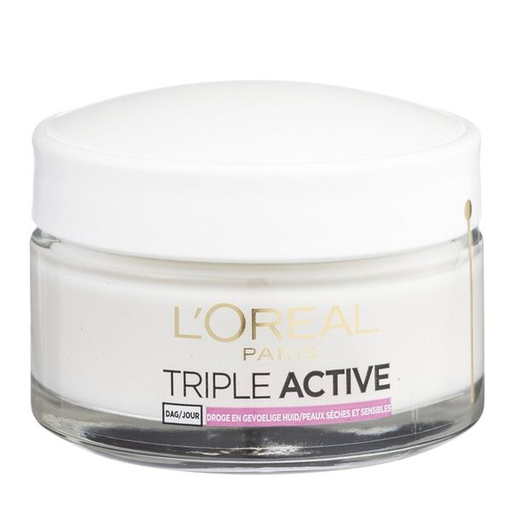
Why this product suits the profile: This day cream is described as suitable for dry and sensitive skin and can be used as the final step in your morning skincare routine.
The product description highlights a lightweight, gentle day moisturiser with hydrating properties rather than focusing solely on a heavy texture.
50 ml; glycerin, panthenol and a vitamin E derivative are included in the stated INCI list.
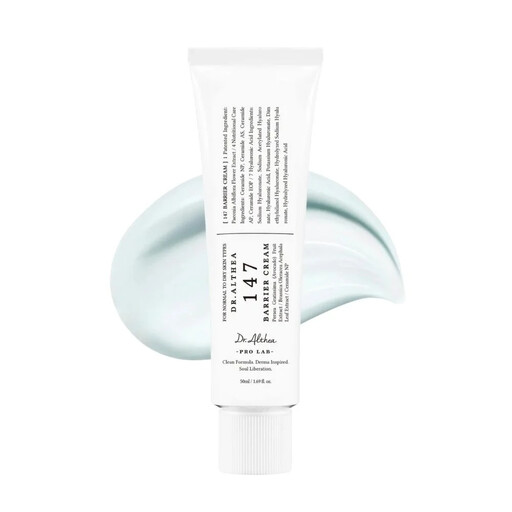
Why this product suits the profile: This Korean face cream combines ceramides, cholesterol and seven listed forms of hyaluronic acid for a barrier-focused skincare routine.
The INCI list makes the key promoted ingredient groups clear and does not base the selection on a single trending active ingredient.
50 ml; ceramides NP, AP, AS, NG, NS and EOP, along with several hyaluronic acid derivatives, are listed.
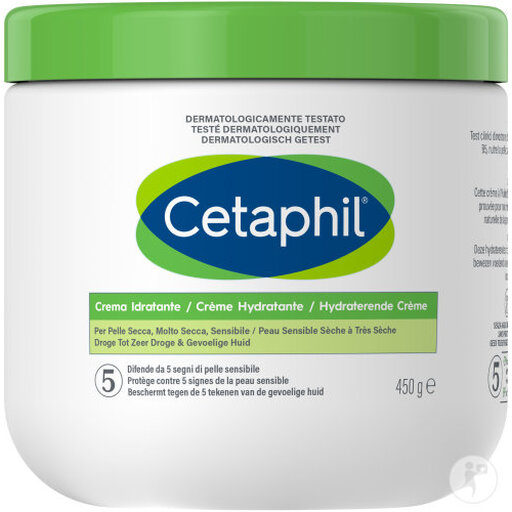
Why this product suits the profile: The large pack size is aimed at people who want to use a richer cream regularly on dry areas of skin.
The product description states that it is fragrance-free and non-comedogenic; the complete INCI list should nevertheless be checked.
450 g; glycerin, panthenol, niacinamide and petrolatum are included in the stated formulation.
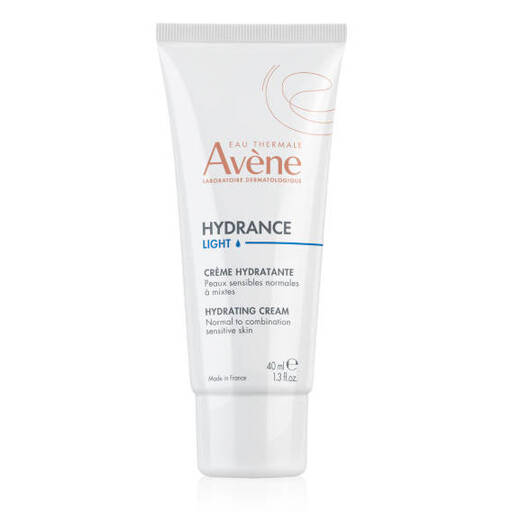
Why this product suits the profile: This lightweight emulsion is described as suitable for dry, sensitive, normal and combination skin, and can be used in the morning and evening.
The stated lightweight, non-sticky texture addresses the common drawback of skincare that feels too heavy for everyday use.
40 ml; glycerin and squalane are listed. The product description states that it absorbs quickly without leaving a greasy residue.
We have put together a complete, regularly updated list of products that fully meet these strict selection criteria and the safety regulations applicable in the EU.
Apply your moisturiser after cleansing, to lightly prepared skin. Start with a small amount; you can then apply a little more specifically to dry areas if needed. In the morning, follow with a suitable sunscreen. New products should not be introduced at the same time as several other active skincare products. This makes it easier to identify how your skin reacts.
If you experience burning, persistent redness, itching or swelling, stop using the product. Damaged or open skin is not suitable for cosmetic testing. If symptoms recur or are severe, seek medical advice.
The right choice depends on skin compatibility, texture and your skin’s condition. Fragrance-free or low-irritant formulations containing glycerin, panthenol, ceramides or squalane are often preferred. The current INCI list remains the deciding factor, as formulations may change.
Many products are intended for use in the morning and evening. For very dry areas, applying an additional thin layer may be helpful, provided your skin tolerates it well. Follow the dosage and frequency instructions on the packaging.
Check the best-before date and the open-jar symbol, which indicates the recommended period of use after opening. Changes in smell, colour or consistency may indicate that the product should be disposed of. Jars should be closed after every use and protected from direct sunlight and heat.