
Lieferung heute & morgen

Qualitätsgarantie

Willkommens-Angebote freischalten: KOSTENLOSE Lieferung | Bis zu 80 % RABATT | Kostenlose 30-Tage-JoyPlus-Testphase
App herunterladen
Dry, sensitive skin does not always respond well to the most expensive or best-known skincare products. Poor purchases often happen because marketing claims are given more weight than the complete INCI list, the texture or your own skincare routine. A suitable face cream for dry and sensitive skin should provide moisture, support the skin’s natural barrier and fit comfortably into your daily routine without stinging or leaving an unpleasant film.
A very rich cream is not automatically the right face moisturiser. Lipids, oils and replenishing ingredients can be beneficial for dry skin. Sensitive combination skin, on the other hand, often prefers a lighter gel-cream that is not sticky and works well under sun cream or make-up.
The key is therefore the combination of humectants such as glycerin or hyaluronic acid and nourishing ingredients such as ceramides, squalane, shea butter or plant oils.
A hyaluronic acid cream can contain different forms of hyaluronic acid. However, the name alone says little about the overall formulation. Similarly, a ceramide cream is not automatically suitable for every type of sensitive skin if it also contains fragrances or other potentially irritating ingredients.
Terms such as PDRN, collagen or “Barrier Repair” should not be considered in isolation either. Cosmetic products can support your skincare routine, but they cannot be taken as a medical treatment or a guarantee of an effect on skin conditions.
Manufacturers’ claims about skin compatibility can provide useful guidance, but they should be checked against the information on the current packaging. Formulations and ingredients lists can change. If your skin is reactive, a patch test on a small area of skin is advisable. If redness, itching or stinging persists, stop using the product and seek dermatological advice if necessary.
For dry or dehydrated skin, combining several skincare functions can be beneficial:
If you want to “repair” your skin barrier, understand the term as a skincare goal, not a promise of healing. A cream can support the skin’s protective function and comfort, but it does not replace a medical diagnosis.
A rich cream can feel soothing in cold, dry weather or when your skin feels particularly tight. For everyday use in the office, under make-up or if your skin tends to look shiny, a non-greasy moisturiser is often a better choice.
Look for descriptions such as gel-cream, fast-absorbing or non-sticky. These statements describe the product’s application properties, but they do not guarantee individual skin compatibility.
If your skin is very sensitive, keeping your routine as simple as possible can be helpful: gentle cleansing, a moisturising product and sun protection during the day. Fragrances, essential oils and numerous plant extracts are not necessarily problematic, but they can trigger unwanted reactions in some people. That is why you should check the INCI list and test new products one at a time.
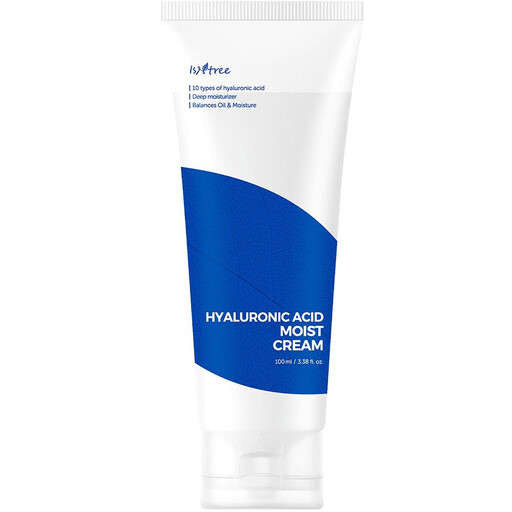
Why this product suits the profile: The 100 ml size and five stated forms of hyaluronic acid offer a clear introduction to daily moisturising care for dry skin.
The product description highlights a fast-absorbing, non-greasy texture rather than making only a general claim about “intensive” care.
100 ml contents; glycerin, panthenol, ceramide NP and several hyaluronic acid derivatives according to the stated INCI list.

Why this product suits the profile: The formulation is aimed at people looking specifically for ceramides, cholesterol and several forms of hyaluronic acid in a Korean skincare cream.
The choice can be assessed by looking at specific ingredients rather than relying solely on the term “Barrier Repair”.
Ceramides NP, AS, AP, NG, NS and EOP, as well as cholesterol and various hyaluronic acid derivatives according to the product information.
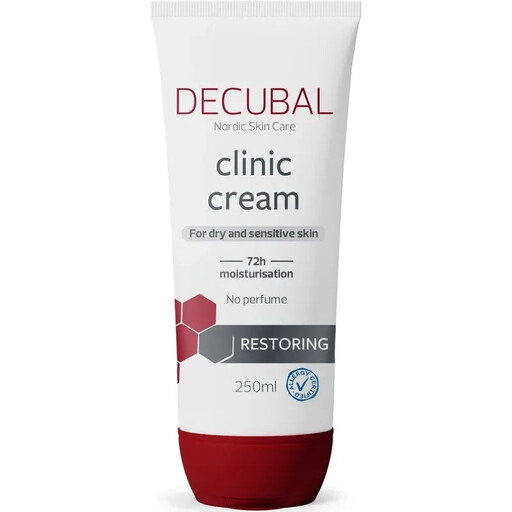
Why this product suits the profile: The large pack size is suitable for regular use and for dry areas on the face and body, provided it is compatible with your individual skin.
The stated lipid-rich composition makes its nourishing properties clear; the cream is not marketed solely around a trending active ingredient.
250 g contents; according to the product information, fragrance-free and free from colourants, with glycerin, lanolin and dimethicone.
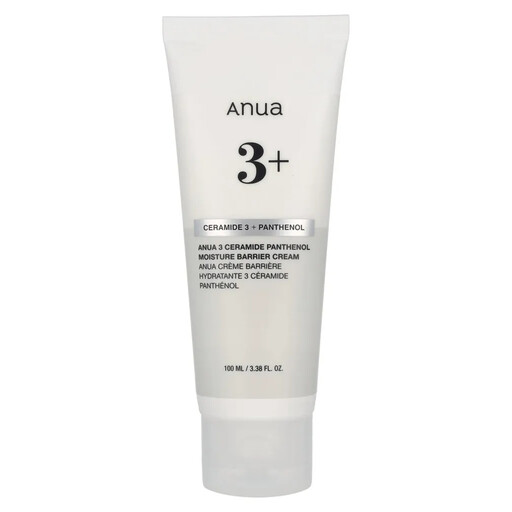
Why this product suits the profile: According to the product description, its lightweight, non-sticky texture suits people looking for barrier support without a heavy feeling on the skin.
As well as ceramides, the selection takes panthenol and the described fast-absorbing texture into account.
Three stated types of ceramide, panthenol, hyaluronic acid and 100 ml contents according to the product information.
Apply the cream after cleansing and, if applicable, after toner or serum. If your skin is very dry, applying a thin second layer to particularly tight areas may be helpful. Follow with sun protection in the morning. New products should initially be introduced one at a time, making it easier to identify any potential reactions.
Also check the expiry date, storage instructions and the current ingredients list on the packaging. For sensitive skin, a simple routine is often easier to manage than combining several new active ingredients at once.
We have put together a complete, regularly updated list of products that fully meet these strict selection criteria and the safety regulations applicable in the EU.
Glycerin, panthenol and hyaluronic acid support the skin’s moisture levels. Ceramides, cholesterol, squalane and replenishing lipids can also help support the skin barrier. The overall formulation is more important than any single ingredient.
Many products are intended for use in the morning and evening. If your skin is dry, you can apply the cream after cleansing and reapply it to individual areas when needed. Always follow the instructions on the relevant packaging and consider your own skin’s compatibility.
Check the open-jar symbol indicating how long the product can be used after opening, as well as the best-before or expiry date. If the smell, colour or consistency changes, stop using the cream.