
Lieferung heute & morgen

Qualitätsgarantie

Willkommens-Angebote freischalten: KOSTENLOSE Lieferung | Bis zu 80 % RABATT | Kostenlose 30-Tage-JoyPlus-Testphase
App herunterladen
A face cream should hydrate your skin, feel comfortable to apply and suit its individual needs. Yet many purchases still end in disappointment: a cream may feel rich at first but fail to provide lasting comfort; a promoted active ingredient may be present only in a low concentration; or fragrance and essential oils may not suit sensitive skin.
This buying guide explains which details on the packaging and product page really matter. You’ll then find a carefully chosen selection for different needs – from a simple face moisturiser to a retinol cream.
A greasy or particularly thick texture doesn’t automatically mean your skin will stay better hydrated. For dry skin, it can help to look for several types of ingredients:
So, when choosing a face cream for dry skin, look beyond claims such as ‘intensive care’ and check the full INCI list.
Terms such as anti-ageing, collagen, PDRN or ‘Energy Repair’ don’t automatically indicate a proven effect. What matters is the exact formula, the concentration and the directions for use. With a retinol cream, for example, there’s a meaningful difference between 0.1% and 0.3% retinol. A higher concentration may also carry a greater risk of irritation.
If a brand cites study results, it’s important to consider them in context. According to a clinical study by Beauty of Joseon, certain percentage changes in elasticity, fine lines and skin texture were reported among 22 people aged 41 to 68 after four weeks of use. These results relate to that specific study and won’t necessarily apply to everyone.
Natural ingredients can also cause reactions. These include fragrances, essential oils, plant extracts and preservatives. A face cream for sensitive skin should therefore have a relatively simple formula where possible. Before using it for the first time, it’s a good idea to patch test on a small area of skin. If you experience burning, swelling, intense itching or persistent redness, wash the product off and stop using it.
Light lotions, gel creams and traditional creams can all suit normal to dry skin. Very dry skin often benefits from a higher concentration of oils, butters and occlusive ingredients. A night cream for the face can generally be richer, while a day cream for the face should sit well under sun protection and make-up without pilling or looking too shiny.
When choosing a barrier cream, ceramides, glycerin, panthenol, squalane, shea butter and hyaluronic acid are useful ingredients to look for. A ceramide cream may be particularly appealing if your skin feels dry or tight. However, simply listing an ingredient doesn’t guarantee a particular reaction from your skin.
Introduce retinol products gradually, preferably in the evening. To start with, use a small amount on just a few evenings each week. Suitable sun protection is important during the day. Use products with vitamin A derivatives according to the packaging instructions. If you’re pregnant or breastfeeding, it’s sensible to speak to a doctor before using retinol products.
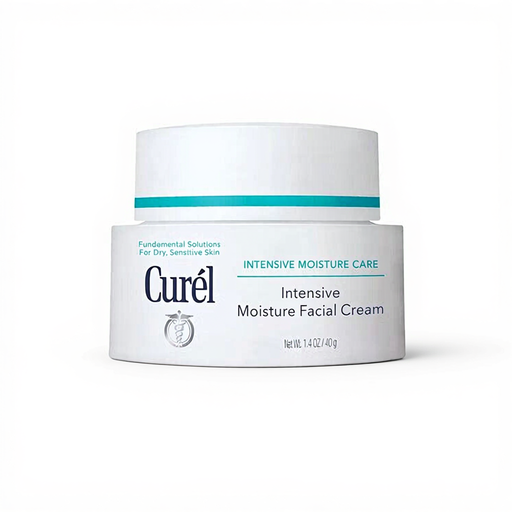
Why it suits this profile: Designed for dry and sensitive skin, this cream is suitable for a simple daily skincare routine.
The product description calls the texture light and fast-absorbing. This may appeal if you’d rather avoid a very greasy cream.
Ceramide Care Technology, according to the manufacturer, plus glycerin and allantoin in the INCI list.
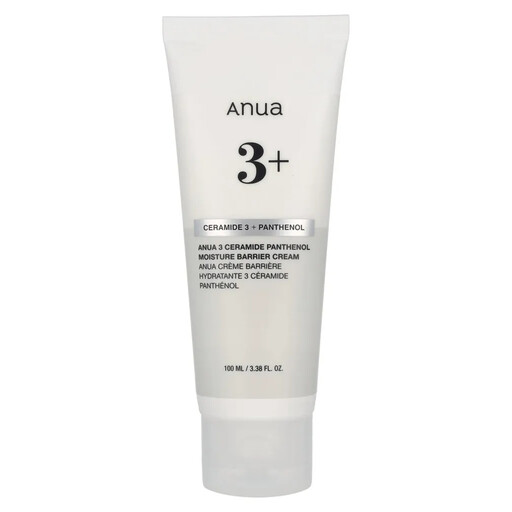
Why it suits this profile: The 100 ml size and suitability for normal, dry and sensitive skin make it a good option for regular morning and evening use.
The product page lists three ceramides, panthenol and a non-sticky texture, making key selection criteria clear.
Three types of ceramide, panthenol, hyaluronic acid and a 100 ml size, according to the product details.
We’ve put together a complete, regularly updated list of products that meet these strict selection criteria and fully comply with the safety regulations in force in the EU.
Apply the cream to cleansed skin. If your skin is dry, using a serum underneath may help. A small amount is usually enough; too much product may pill under make-up or leave an unnecessarily heavy film. When using a retinol cream, start with just a few applications per week. Keep the packaging tightly closed in a dry place, away from direct sunlight. Follow the expiry date and Period-after-Opening symbol on the packaging.
Look for a combination of humectants and skin-conditioning lipids. Glycerin, hyaluronic acid, squalane, shea butter and ceramides are useful ingredients to look for. The right texture depends on whether you’ll use the cream during the day or as a rich night cream.
Check the best-before date and the open-jar symbol on the packaging. If the product’s smell, colour or consistency changes, stop using it. Retinol products often come with specific storage instructions and guidance on how long they can be used after opening.
A simple barrier cream can help keep your skincare routine straightforward if your skin is dry. Introduce retinol gradually, and don’t combine it on the same evening with other highly irritating active ingredients. If irritation persists, stop using the product for a while.