
Lieferung heute & morgen

Qualitätsgarantie

Willkommens-Angebote freischalten: KOSTENLOSE Lieferung | Bis zu 80 % RABATT | Kostenlose 30-Tage-JoyPlus-Testphase
App herunterladen
Dry, sensitive or irritated skin can react to more than just cold air and dry indoor heating. The wrong face cream can also contribute to tightness, flaking or a sticky feeling. So if you’re looking for a face cream for dry and sensitive skin, don’t rely solely on terms such as ‘repair’, ‘barrier’ or ‘soothing’.
What matters is the actual ingredient list, the texture and how you plan to use it. A rich cream can be a good choice for very dry skin, while a lightweight gel cream may fit more easily into the daily routine if you have combination skin.
An intensive moisturiser won’t suit every type of dry skin. Waxes, oils and ingredients that form a heavy film may feel comfortable for some people, but can leave others with a heavy or shiny feel. Check the texture description and, if you have combination skin, consider a non-greasy face cream.
Labels such as ‘barrier cream’, ‘repairing face cream’ or ‘for sensitive skin’ are primarily ways of positioning a product. The INCI list is more informative. Ceramides, glycerin, panthenol, hyaluronic acid, squalane and certain plant oils can all serve different skincare purposes. However, no single ingredient guarantees that a product will suit you personally.
An anti-ageing face cream containing retinol- or retinal-related ingredients may be worth considering for mature skin. However, if your skin is sensitive or already irritated, use it cautiously and follow the manufacturer’s instructions. Use suitable sun protection during the day. Stop using the product if you experience redness, stinging or flaking.
Glycerin, hyaluronic acid and similar humectants help bind water in the upper layers of the skin. Ceramides, cholesterol and fatty acids are ingredients often used in barrier creams to help support the skin’s protective function. Plant oils and shea butter can provide additional nourishment.
For dry skin, a combination of humectants and lipids is often more practical than a formula that relies on just one active ingredient. If your skin is very sensitive, check for fragrance and essential oils. ‘Fragrance-free’ does not automatically mean that everyone will tolerate the formula without a problem.
A rich cream is often suitable for your evening routine or dry areas of the face. A gel cream may feel more comfortable in the morning, under make-up or on an oily T-zone. Products containing silicones can feel smooth and form a light film without necessarily feeling greasy.
If you prefer Korean skincare, you can apply a lightweight cream after toner and serum. For very dry areas, applying a second thin layer is often easier to control than using a large amount all at once.
Cosmetics sold in the EU should include a full INCI ingredient list, details of the responsible person and information about shelf life, among other details. Before buying and when your product arrives, check:
Product descriptions may change between production batches, so always refer to the packaging.
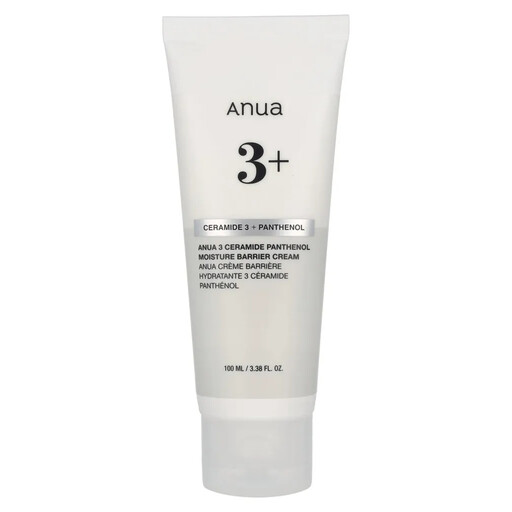
Why this product suits this profile: The combination of panthenol, three types of ceramide, hyaluronic acid and Centella-related ingredients is designed for straightforward daily moisturising. The 100 ml size is suitable for regular use.
The ingredient list clearly identifies the key moisturising and barrier-supporting ingredients, rather than relying on a marketing term alone.
Panthenol, ceramides and hyaluronic acid; described by the product information as rich yet easy to spread.
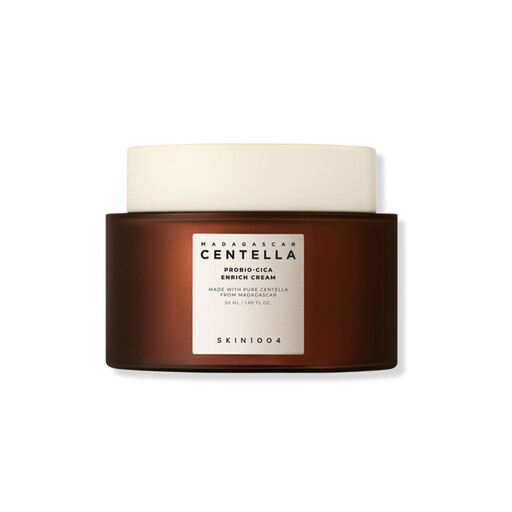
Why this product suits this profile: The formula combines fermented Centella asiatica extract, ceramides, panthenol, hyaluronic acid, and macadamia and moringa oils. It’s designed for people who prefer nourishing Korean skincare with a smooth, rich texture.
The description names specific ingredients and also advises checking the information on the current packaging.
Ceramide NP and a Centella complex; the product description states that it contains no synthetic fragrances or colourants.
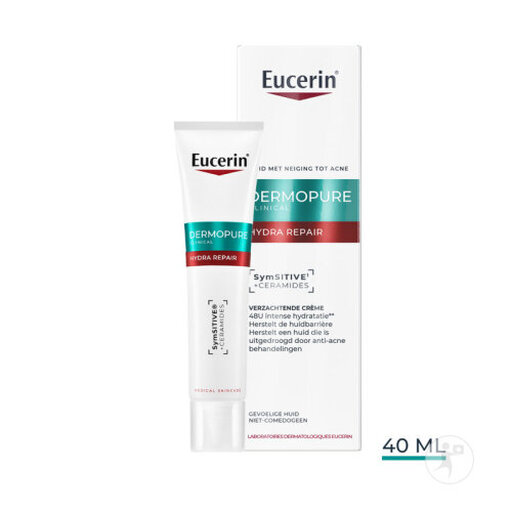
Why this product suits this profile: According to the product information, this fragrance-free cream is intended for sensitive, blemish-prone skin and as a complementary moisturiser when using drying acne treatments. Panthenol, squalane and ceramide NP appear on the INCI list.
Its fragrance-free positioning and clear guidance for sensitive skin make it easier to choose, but don’t replace checking how well it suits your skin.
Described as fragrance-free; panthenol, squalane and ceramide NP are listed.
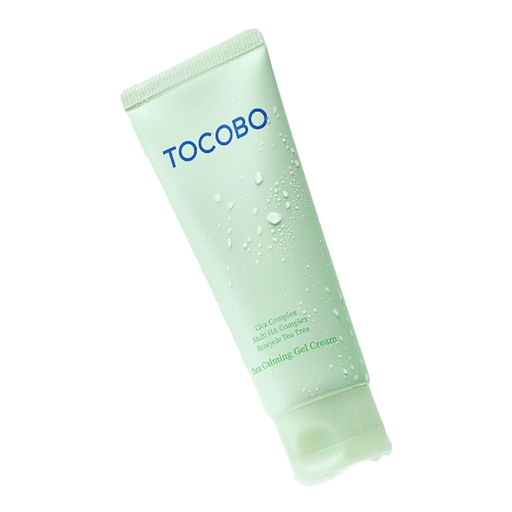
Why this product suits this profile: This gel cream is aimed at people who prefer a lightweight texture that absorbs quickly, for morning and evening use. Centella, panthenol, hyaluronic acid and ceramide NP are listed in the ingredients.
The lightweight texture reduces the chance of choosing an unnecessarily rich cream for sensitive combination skin. However, the formula contains fragrance.
Fast-absorbing gel cream; several forms of hyaluronic acid, panthenol and Centella are listed.
We’ve put together a complete, regularly updated list of products that meet these strict selection criteria and fully comply with the safety regulations in force in the EU.
Apply the cream after cleansing, to slightly damp or dry skin, depending on the manufacturer’s recommendation. If your skin is sensitive, start with a small amount and test the product on an inconspicuous area first. Avoid introducing new active ingredients at the same time as several other active products.
Stop using the product if you experience severe stinging, swelling, persistent redness or itching. Skincare products are not a substitute for a dermatological assessment if you have severe or recurring skin problems.
Glycerin, panthenol and hyaluronic acid are used to help bind moisture. Ceramides, cholesterol, fatty acids, squalane and plant oils can add nourishing lipids. The overall formula and how well your skin tolerates it remain key.
A ceramide cream can be a good option if your skin needs barrier support. Also check for fragrance, essential oils and other active ingredients. If your skin is very reactive, it’s advisable to test the product cautiously.
This depends on the product, packaging and how it’s used. Check the symbol showing how long it can be used after opening, as well as its smell, colour and texture. Changes may indicate that it’s no longer suitable for use.