
Lieferung heute & morgen

Qualitätsgarantie

Willkommens-Angebote freischalten: KOSTENLOSE Lieferung | Bis zu 80 % RABATT | Kostenlose 30-Tage-JoyPlus-Testphase
App herunterladen
Dry, sensitive or irritated skin does not always respond well to an especially rich formula. Some creams leave a film, while others contain fragrances or essential oils that can be problematic for sensitive skin. If you are looking for a face cream for dry and sensitive skin, do not focus solely on terms such as “Repair”, “Glow” or “Anti-Aging”. It is also important to examine the ingredients and how the product should be used.
A rich texture can feel pleasant on dry skin, but it may feel sticky under make-up or provide too much nourishment for combination skin. Lightweight gel creams containing glycerin, panthenol or hyaluronic acid can also support daily hydration. The key is whether the cream suits how your skin feels, the time of year and the rest of your skincare routine.
Terms such as skin barrier cream or Barrier Repair Cream are not standardised product categories. You should therefore check the INCI list. Ceramides, cholesterol, plant-based lipids, squalane and panthenol are recognisable ingredients for barrier-focused skincare. The wording on the packaging does not replace checking the ingredients.
Centella asiatica, noni, algae and essential oils are often marketed as especially gentle. However, natural ingredients can also be individually unsuitable. If you have sensitive skin, a patch test and gradual introduction are advisable. If you have an existing skin condition or persistent irritation, your choice should be discussed with a dermatology professional.
For a face cream with ceramides, ceramides such as Ceramide NP, AP or EOP are relevant details in the INCI list. They indicate that the formula uses skin-like lipid components. Panthenol, glycerin and hyaluronic acid are used in many formulations to provide hydration. A face cream with hyaluronic acid may contain different molecular forms. However, the number of “types” alone says nothing about individual tolerance or the skincare results.
Also look out for:
A cream for dry skin can be nourishing without necessarily feeling heavy. Gel creams are often suitable for normal, combination or oilier skin that lacks moisture. Denser formulations containing shea butter, plant oils or squalane may better meet the needs of very dry skin in cold weather.
Compare the quantity in millilitres or grams rather than looking only at the price of the jar. A 100-ml pack may be more economical for frequent users than a smaller product. Also check the current packaging, the complete INCI list, the batch information, the best-before date or period after opening, and the details of the responsible person in the EU.
The following selection matches products to different everyday situations based on their listed ingredients, textures, sizes and usage instructions.
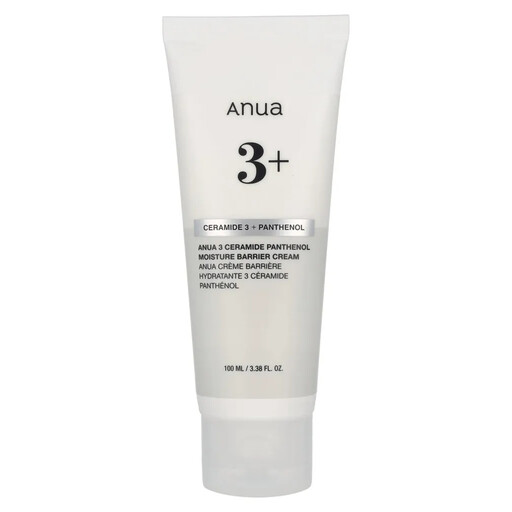
Why this product suits this profile: The 100-ml size and combination of three ceramides, panthenol and hyaluronic acid are designed for regular daily facial skincare.
The selection is based not only on the term “Barrier”, but also on the specifically listed ceramides and panthenol. Check the current ingredients list on the packaging before buying.
100 ml, Ceramides NP/AP/EOP, panthenol and a lightweight, non-sticky texture according to the product information.
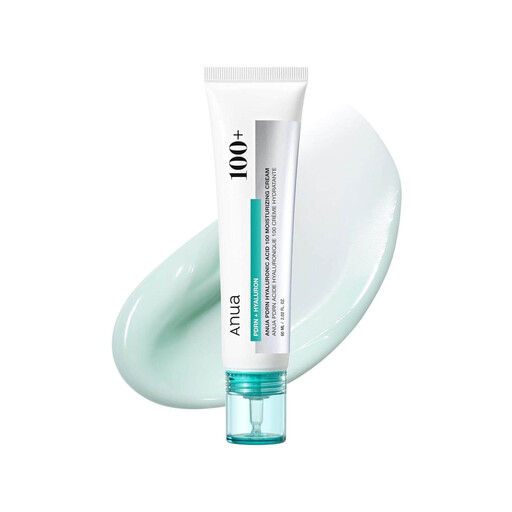
Why this product suits this profile: According to the product description, this Korean face cream combines PDRN, a complex of ten forms of hyaluronic acid, panthenol, madecassoside and Centella asiatica.
The marketing terms are supported by specific ingredients and a stated 60-ml quantity. Claims about visible results are individual and should not be understood as promises of efficacy.
Several humectant ingredients and a quick-absorbing, non-greasy texture according to the product description.
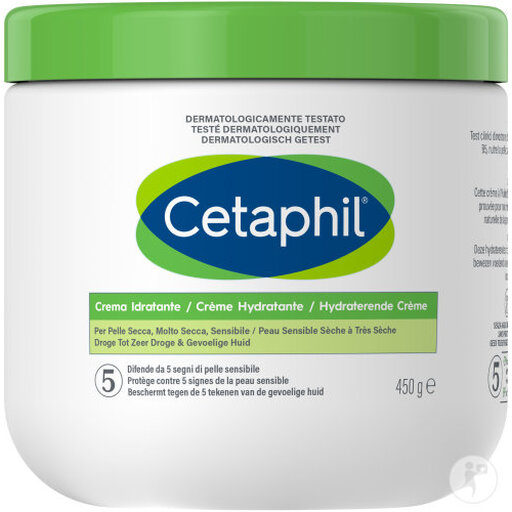
Why this product suits this profile: The large 450-g pack is appealing to people who regularly want to care for their face and dry areas of the body and prefer to buy a larger supply.
The pack size makes the intended usage context clear. If you are looking exclusively for a lightweight facial moisturiser, consider the rich texture beforehand.
A large supply, fragrance-free according to the product information, and formulated with glycerin, panthenol, niacinamide and oils.
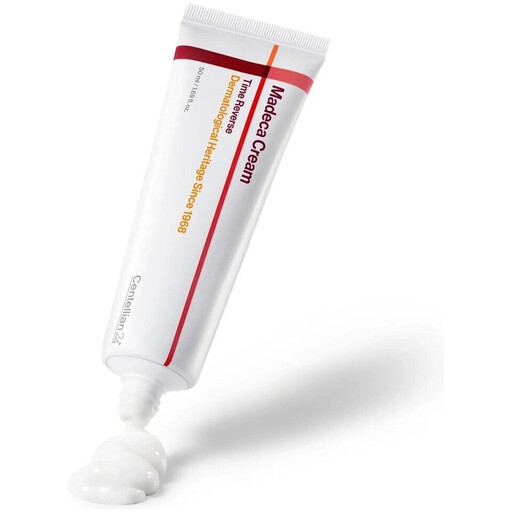
Why this product suits this profile: According to the product description, the formula contains Centella asiatica ingredients, ceramides, panthenol, peptides, adenosine and retinol, making it suitable for users seeking anti-ageing facial skincare.
The retinol warning should not be overlooked: sun protection is required during the day, and use during pregnancy should only take place after consulting a medical professional.
Rich texture and several nourishing ingredients; the INCI list also includes fragrances and essential oils.
We have put together a complete, regularly updated list of products that fully meet these strict selection criteria and the safety regulations applicable in the EU.
Apply the cream after cleansing while the skin is still slightly damp. For several products, it is intended to be the final or penultimate step in your routine. If you have sensitive skin, start with a small amount and test new formulas on a limited area first. Apply sun cream with a suitable SPF in the morning. Stop using the product if you experience stinging, swelling, itching or persistent redness.
Look for a low-fragrance or fragrance-free formula containing humectants and skin-like lipids, such as glycerin, panthenol, squalane or ceramides. The right texture depends on whether your skin needs a lightweight daytime moisturiser or a richer night cream.
The period-after-opening symbol, the best-before date and the information on the packaging are the deciding factors. Store the cream in a dry, cool place away from direct sunlight. If its smell, colour or consistency changes, stop using the product.
Yes, provided the texture absorbs sufficiently. Lightweight gel creams or fast-absorbing formulas are often better suited for use under make-up. Wait a moment after applying the cream, then apply sun cream and make-up in thin layers.