
Lieferung heute & morgen

Qualitätsgarantie

Willkommens-Angebote freischalten: KOSTENLOSE Lieferung | Bis zu 80 % RABATT | Kostenlose 30-Tage-JoyPlus-Testphase
App herunterladen
Dry, sensitive skin often reacts not only to cold weather, central heating or frequent washing, but also to unsuitable skincare. So, when choosing a face cream for dry and sensitive skin, don’t rely solely on marketing claims such as “Repair”, “Glow” or “Anti-Aging”. The full INCI list, texture and how well it suits your personal skincare routine are what matter.
Ingredients such as PDRN, Centella, hyaluronic acid and ceramides may sound impressive, but they don’t tell you much on their own about how well a product will suit your skin. Plant extracts and essential oils can also cause unwanted reactions in sensitive skin. Rosemary oil, for example, is included in some formulas and may be worth noting if you’re sensitive to it.
A cream for sensitive skin may contain fragrance, alcohol, essential oils or a number of plant extracts. These ingredients aren’t necessarily problematic, but they may not suit everyone. So check the packaging and do a patch test on a small area of skin before applying the product more widely for the first time.
A very rich cream can leave dry skin feeling comfortably soft and supple, but may feel heavy on combination or oily skin. Conversely, a lightweight gel-cream may not provide enough of a final layer for very dry skin. The right texture depends on your skin’s condition, the season and the time of day.
For intense facial hydration, look for humectants such as glycerin, panthenol, sodium hyaluronate or different forms of hyaluronic acid. These are often combined with nourishing lipids such as shea butter, squalane, plant oils or fatty alcohols.
A face cream with hyaluronic acid may be particularly useful if your skin feels tight after cleansing. However, hyaluronic acid doesn’t automatically replace a final moisturising step. For dry skin, a cream with added lipids is often a better choice.
Ceramides, cholesterol, phytosphingosine, lecithin and panthenol are often used in formulas designed to support skin barrier protection. A barrier-supporting cream should spread comfortably and avoid any additional irritants that you know your skin doesn’t tolerate.
The claim “strengthens the skin barrier” should be understood as a skincare goal, not a medical promise. If you experience persistent redness, burning, severe itching or open patches of skin, stop using the product and seek dermatological advice if needed.
An anti-ageing face cream containing retinol or related vitamin A ingredients isn’t the same as a simple moisturiser. Retinol may cause dryness, redness or tightness when you first start using it. Introduce retinol products gradually, following the manufacturer’s instructions. Use suitable sun protection during the day.
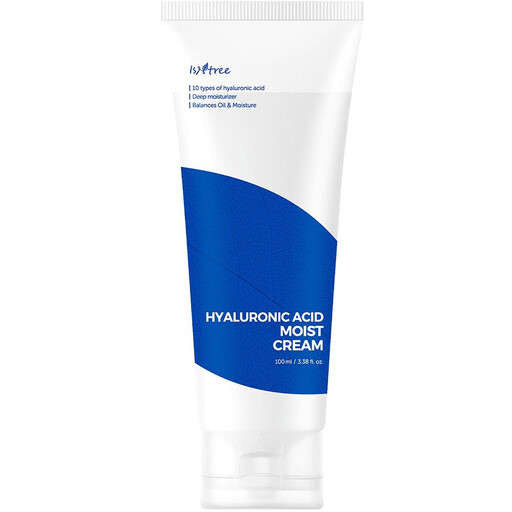
Why this product suits this profile: The 100 ml size and focus on five forms of hyaluronic acid make it a straightforward choice for daily hydration if you have dry or dehydrated skin.
The product description says it has a fast-absorbing, non-greasy texture. Even so, check the current INCI list on the packaging.
Vegan, and listed as containing glycerin, hyaluronic acid, panthenol and ceramide NP.
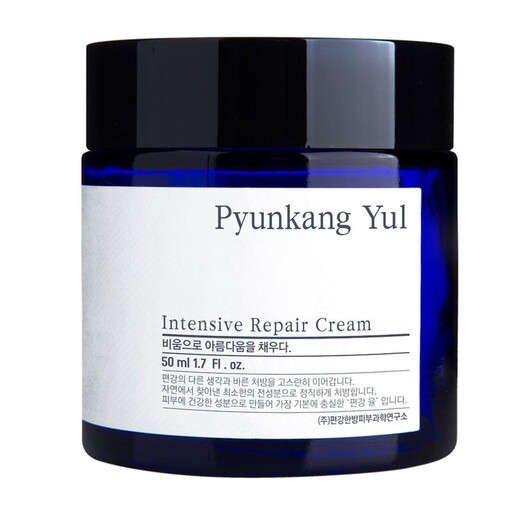
Why this product suits this profile: According to the product details, this richer formula is designed for dry skin and combines ceramides, shea butter, macadamia oil and peptides.
This pick lists specific lipids and ceramide NP, rather than relying solely on general “Repair” claims.
50 ml, a creamy texture and a formula designed for dry skin, according to the product details.
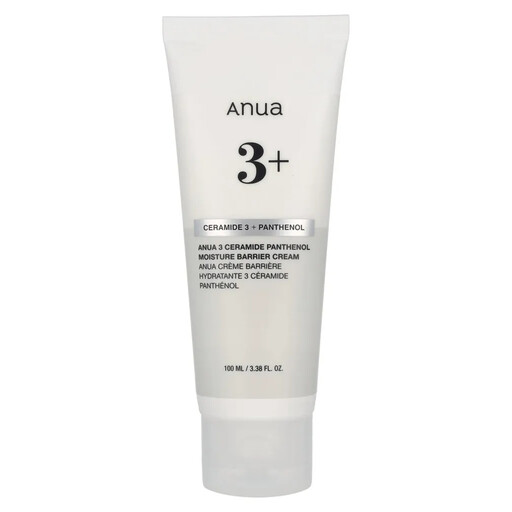
Why this product suits this profile: The 100 ml size and combination of three ceramides, panthenol, hyaluronic acid and Centella will appeal if you’re looking for a regular barrier-supporting skincare product.
The formula specifically lists the relevant barrier-supporting ingredients. The actual composition may change, so check it before buying.
A unisex product with a 100 ml size and a rich texture that the description says isn’t sticky.
We’ve put together a complete, regularly updated list of products that meet these strict selection criteria and fully comply with the safety regulations in force in the EU.
Look for a formula with humectants such as glycerin, panthenol or hyaluronic acid, alongside lipids or ceramides. If you know you’re sensitive to fragrance or essential oils, check for these carefully.
Many products are designed for use morning and evening. How often you should apply yours depends on the product, how your skin feels and the other steps in your routine. If your skin feels tight, regular application after cleansing may help.
Check the symbol showing how long the product lasts after opening, the best-before date and the information on the packaging. If the smell, colour or texture changes noticeably, stop using the product.