
Lieferung heute & morgen

Qualitätsgarantie

Willkommens-Angebote freischalten: KOSTENLOSE Lieferung | Bis zu 80 % RABATT | Kostenlose 30-Tage-JoyPlus-Testphase
App herunterladen
Dry or sensitive facial skin does not automatically require an especially rich cream. An unsuitable facial moisturiser may feel sticky, pill beneath make-up, or cause discomfort because of fragrances and an unnecessarily long ingredient list. What matters is therefore not the marketing promise alone, but the combination of your skin’s needs, the texture and the transparency of the ingredients.
This buying guide from the Joybuy Product Recommendation Officer explains what to look for in a face cream for dry and sensitive skin and which products may suit different skincare routines.
A cream may feel pleasant immediately after application without adequately supporting the skin barrier. For dry skin, moisturising agents should ideally be combined with nourishing lipids. Look for ingredients such as ceramides, cholesterol, fatty acids, squalane or plant oils.
Names such as PDRN, rice extract or hyaluronic acid may sound compelling, but on their own they say little about individual tolerability. A hyaluronic acid cream can bind water and leave the skin’s surface feeling smoother. However, it is not a substitute for balanced skin-barrier care. “Anti-ageing” is also a cosmetic claim, not a guarantee of specific results.
A highly occlusive cream can be helpful for very dry skin, but may feel heavy on combination or blemish-prone skin. If you are looking for a non-greasy moisturiser, consider gel-cream, lotion or milk textures. For sensitive skin, it is also worth checking for fragrances, essential oils and known personal allergens.
Glycerin, hyaluronic acid, Sodium PCA, urea and betaine are widely used humectants. They help support a hydrated skin feel. Ceramides and cholesterol are ingredients frequently used in formulations designed to care for the skin barrier.
For very dry skin, a cream containing several of these ingredient groups may be more suitable than a product built around a single trending active. A barrier repair cream should therefore be assessed by its complete INCI list, not by its name alone.
Jars provide quick access, but expose the contents more frequently to air and contact with fingers. Tubes or pump dispensers allow for more controlled dispensing. Also compare the number of grams or millilitres with the intended use: a 30 ml travel size is practical for testing, while 100 to 450 g may offer better value for regular use.
If you have sensitive skin, test each new product on a small area first. Discontinue use if burning, itching, redness or swelling occurs. Cosmetic creams are not intended to treat skin conditions.
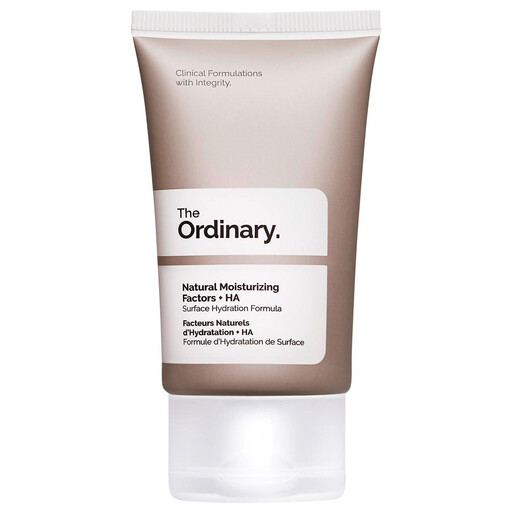
Why This Fits Their Persona: This compact cream is well suited to anyone looking for a straightforward daily moisturiser without added fragrance and in a manageable size.
The INCI list includes amino acids, glycerin, sodium hyaluronate, fatty acids and urea, rather than relying on a single trending active.
Non-comedogenic, silicone-free and fragrance-free formula according to the product information; 30 ml is a practical size for trying it out.
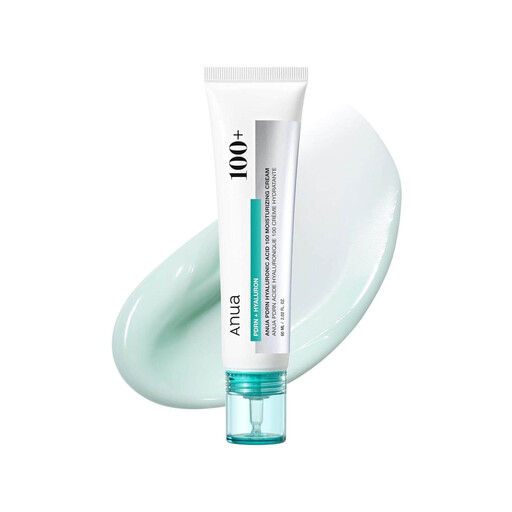
Why This Fits Their Persona: An option for K-beauty enthusiasts who want to combine PDRN, a complex of ten types of hyaluronic acid and several soothing ingredients in one face cream.
In addition to humectants, the formula lists panthenol, madecassoside, centella extract and ceramides.
60 ml of product, a silky-cream texture and, according to the product description, a fast-absorbing, non-greasy finish.

Why This Fits Their Persona: This cream suits dry skin that needs a classic, nourishing texture for the final step of a routine, particularly during the heating season.
The INCI list contains ceramides, cholesterol and seven listed forms of hyaluronic acid, so the selection is not based on the product name alone.
50 ml of product, a silky finish and ceramides NP, AS, AP, NG, NS and EOP according to the listed ingredients.
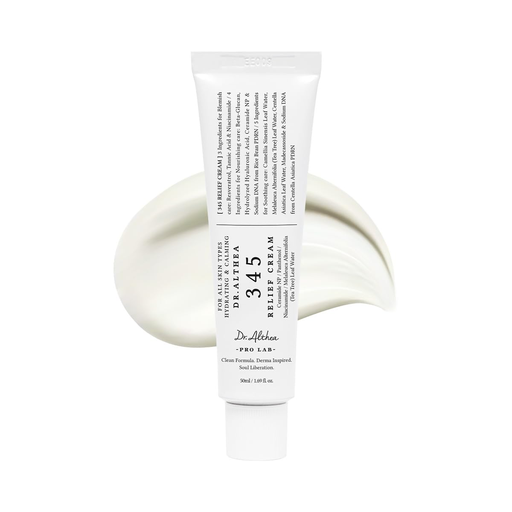
Why This Fits Their Persona: This lightweight gel cream is designed for people with sensitive, reddened, combination or blemish-prone skin who prefer not to apply a heavy layer.
The product information describes a non-greasy gel cream containing ceramides NP, panthenol, centella components and sodium hyaluronate.
50 ml of product, no artificial fragrances or colourants according to the product information; suitable for use in the morning and/or evening.
We have put together a complete, up-to-date selection of products that take these criteria for daily facial care into account.
Apply the cream after cleansing. In a multi-step K-beauty routine, it usually follows toner and serum. Start with a small amount; for particularly dry areas, apply a little more selectively. In the morning, sunscreen should also be used. With products containing retinol, such as the Beauty of Joseon Revive Firming Ginseng + Retinol Moisturizer, gradual introduction is advisable. According to a clinical study by Beauty of Joseon, conducted with 22 participants over four weeks, certain cosmetic measurements relating to skin elasticity and wrinkle depth were reported. These results apply to the stated study group and cannot automatically be generalised to everyone.
Glycerin, hyaluronic acid, panthenol, ceramides, squalane and allantoin are frequently used to support hydration and the skin barrier. Also check the complete ingredient list for fragrances or personal allergens.
Most face creams can be used in the morning and evening. If your skin feels tight after cleansing, applying moisturiser straight afterwards can be helpful. The specific usage instructions depend on the product description and your individual tolerance.
Refer to the open-jar symbol on the packaging, such as “12M”, as well as the best-before or expiry date. Close the product after each use and store it in a cool, dry place away from direct sunlight.