
Lieferung heute & morgen

Qualitätsgarantie

Willkommens-Angebote freischalten: KOSTENLOSE Lieferung | Bis zu 80 % RABATT | Kostenlose 30-Tage-JoyPlus-Testphase
App herunterladen
Dry or dehydrated skin does not always need the same care. Dry skin often lacks lipids, while dehydrated skin may struggle to retain enough water. This can lead to tightness, rough patches and visible fine lines caused by dryness, whatever your skin type. The right face cream for dry skin should therefore be more than just rich: it should suit your skin’s needs, the season and your preferred texture.
A very rich cream can provide a comfortable protective layer, but it may not feel right for everyone. If you have combination skin or tend to get shiny, a highly occlusive texture may feel heavy. For everyday use, a non-greasy moisturiser with glycerin, hyaluronic acid or lightweight emollients may be a better choice.
Hyaluronic acid binds water, but it does not necessarily replace nourishing lipids. For dry skin, a hyaluronic acid cream should ideally be combined with other ingredients, such as glycerin, squalane, shea butter or ceramides. Conversely, a ceramide cream is not automatically lightweight or suitable for every type of sensitive skin.
Marketing terms such as “soothing” or “gentle” do not, on their own, tell you how well a product will suit your skin. Check the INCI list for fragrance, essential oils, alcohol or known allergens. Plant extracts can also trigger reactions in some people. If your skin is sensitive or prone to redness, try a patch test on a small area first.
For intense facial hydration, humectants such as glycerin, panthenol, betaine and hyaluronic acid are worth looking for. They help the upper layer of skin retain water. Lipids and emollient ingredients such as squalane, shea butter or plant oils can also help keep the skin’s surface soft and supple.
This combination can be especially useful for dry skin: humectants care for skin that feels dehydrated, while lipids can help limit water loss from the surface.
Ceramides, cholesterol and skin-like lipids are often used to help strengthen the skin barrier and care for dry skin regularly. Look beyond the product name and check the actual INCI list. Terms such as “Barrier Cream” or “Repair” describe how a product is positioned, but they are no substitute for checking the ingredients.
A 30 or 50 ml pot may be enough for daily facial care, while 80 to 100 ml may offer different value for money if you use the product regularly. Gel creams tend to absorb more quickly and can be practical under sun protection or make-up. Rich creams are often better suited to dry winter skin, your evening routine or particularly rough patches.
Apply the cream to slightly damp skin after cleansing, or after a serum. In the morning, finish your routine with a suitable sun protection product. Always check the current ingredients list on the product packaging, as formulations can change.
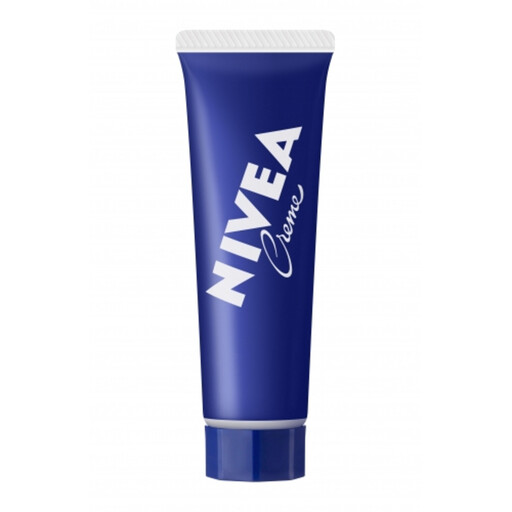
Why this product suits this profile: This cream is designed for both face and body, making it a straightforward option if you’re looking for a versatile, rich moisturiser.
The INCI list includes glycerin, squalane and jojoba oil. If you have sensitive skin, also bear in mind that the product contains fragrance.
50 g size, suitable for face and body, with a rich formula containing mineral oil, petrolatum, squalane and jojoba oil.
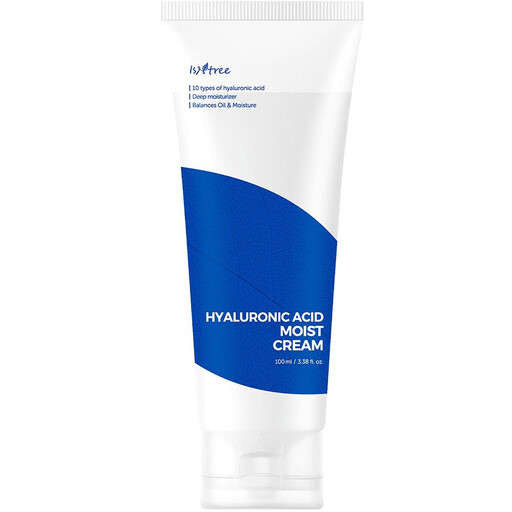
Why this product suits this profile: If you enjoy Korean skincare, this cream focuses on hydration and comes in a 100 ml size. According to the product information, it also has a fast-absorbing texture.
The product description lists five forms of hyaluronic acid. Even so, check the full, up-to-date INCI list against the packaging before buying.
100 ml size, several types of hyaluronic acid, glycerin, panthenol and Ceramide NP in the stated formula.
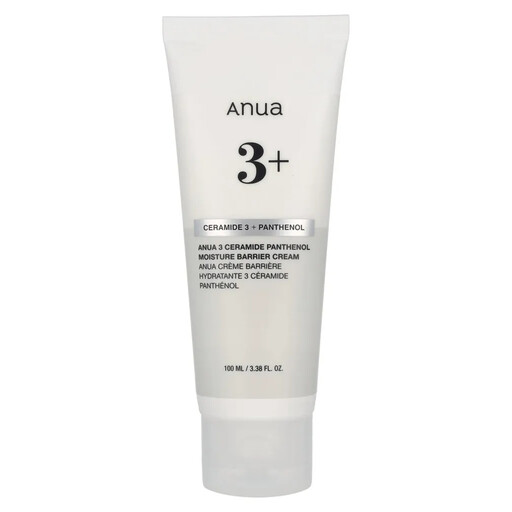
Why this product suits this profile: The combination of a 100 ml size, ceramides and panthenol may appeal if you want your daily routine to focus on caring for a dry or sensitive skin barrier.
The formula combines humectants and barrier-supporting ingredients rather than relying on a single active ingredient. Check how well it suits your skin with a patch test.
Three types of ceramide according to the product description, plus panthenol and hyaluronic acid. The supplier describes the texture as lightweight and non-sticky.
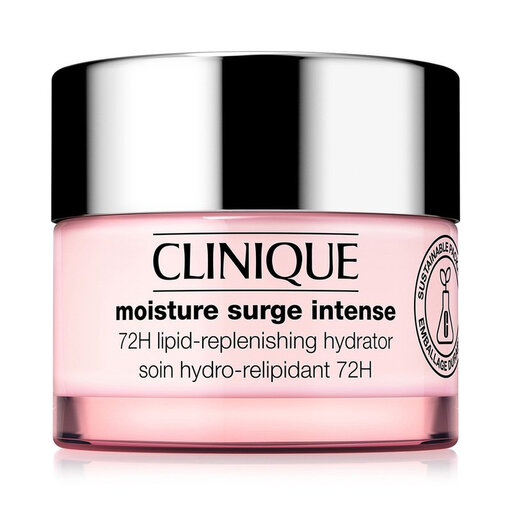
Why this product suits this profile: The cream-gel texture may appeal if you want hydration but prefer your skin to feel less weighed down.
The product information describes a fragrance-free formula combining lipids and Cica. If you know your skin is sensitive, still check all the information on the packaging.
30 ml size and a cream-gel texture, with lipids, Cica and activated aloe water according to the product description.
We’ve put together a comprehensive, regularly updated list of products that meet these strict selection criteria and fully comply with the safety regulations in force in the EU.
Look for a simple formula without strongly fragranced ingredients, and combine moisture-binding ingredients with nourishing lipids. Ceramides, panthenol, glycerin and hyaluronic acid can be useful ingredients to look for. Ultimately, what matters is how well your skin tolerates the product.
Most products are designed for use in the morning and evening. If your skin is very dry, an extra thin layer on certain areas may help. However, using more does not automatically mean better care.
Check the best-before date, batch symbol and PAO symbol on the packaging, such as “12M”. Keep the cream tightly closed in a cool place, away from direct sunlight. If its colour, smell or texture changes, stop using it.