
Lieferung heute & morgen

Qualitätsgarantie

Willkommens-Angebote freischalten: KOSTENLOSE Lieferung | Bis zu 80 % RABATT | Kostenlose 30-Tage-JoyPlus-Testphase
App herunterladen
A face cream should hydrate your skin, leave it feeling comfortable and fit easily into your daily routine. But shopping online can quickly lead to the wrong choice. Terms such as “barrier protection”, “anti-ageing” or “intensive hydration” alone reveal little about a product’s texture, how well your skin will tolerate it or whether it’s right for your skin type.
This buying guide explains what to look for in a moisturiser for your face and which products may suit different needs.
Ceramides, hyaluronic acid, niacinamide, PDRN and retinol are common ingredients in modern skincare. But simply mentioning them doesn’t mean every product is formulated in the same way. The full INCI list, the product’s texture and how well your skin tolerates it all matter.
For example, a cream with ceramides may be worth considering for dry skin, while a light gel cream may feel more comfortable on oily or blemish-prone skin. Retinol should also be introduced gradually, and you should use sun protection during the day.
A universal claim is no substitute for checking the ingredients. Fragrances, essential oils, certain plant extracts or alcohol may cause problems for some people. If you’re looking for a face cream for sensitive skin, opt for a formula with a straightforward ingredient list where possible, and carry out a patch test on a small area of skin before using it for the first time.
A rich cream often contains more nourishing oils, waxes or butters. This can feel pleasant on dry skin, but may feel too heavy on combination skin. A light soothing face cream with glycerin, hyaluronic acid or panthenol may be a better fit for dehydrated skin that tends to become shiny.
Consider not only your usual skin type, but also how your skin is feeling right now:
If your skin is damaged, redness persists, you experience severe itching or you have inflammatory symptoms, consult a dermatologist to find out the cause. Cosmetic skincare is not a substitute for medical treatment.
A barrier-support cream may contain ingredients such as ceramides, cholesterol, fatty acids, squalane or phytosphingosine. Some of these ingredients are similar to the lipids found on the skin’s surface and are used in skincare products to support the skin barrier.
Hyaluronic acid binds water and is available in different molecular forms. Claims such as “multi-hyaluronic acid” don’t automatically indicate a particular skincare benefit. Check the texture and look for other humectants, such as glycerin or panthenol, too.
Korean face creams often contain combinations of centella asiatica, rice extracts, ginseng, niacinamide, ceramides or PDRN. PDRN and sodium DNA are cosmetic ingredients; their use does not mean the product has a medical regenerative effect.
Gel creams usually absorb quickly and work well under make-up. Richer creams may be more suitable for your evening routine or dry patches. If you use a jar, make sure your hands are clean; tubes allow you to dispense the product more precisely and hygienically.
Always check the following before buying:
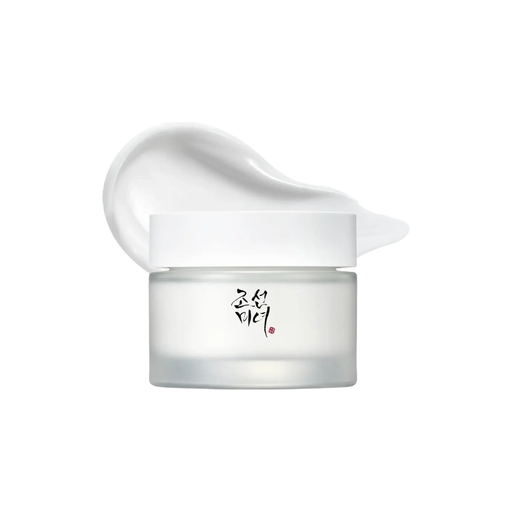
Why this product suits this profile: This cream combines rice water and ginseng water with niacinamide, squalane, hyaluronic acid and Ceramide NP in a compact 50 ml size.
The ingredient list makes it easy to check what’s in the formula, rather than choosing based on marketing claims alone.
A light, creamy texture, with key humectants and ceramides in the stated formula.
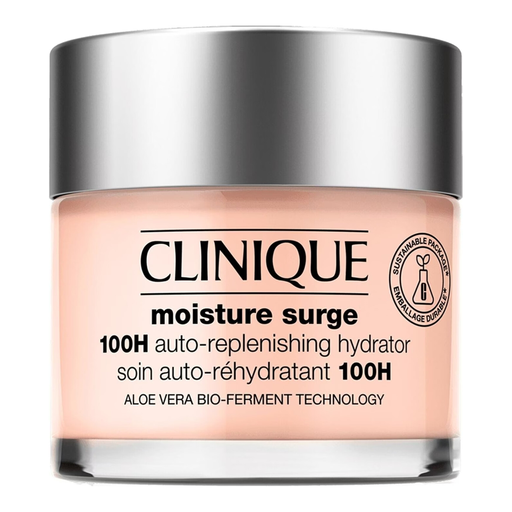
Why this product suits this profile: This oil-free gel cream is designed to feel light on the skin and contains ingredients including glycerin, aloe vera derivatives and sodium hyaluronate.
The gel-like, oil-free texture reduces the risk of a heavy feel for people who prefer not to use rich creams.
75 ml; a quick-spreading gel cream for morning and evening use.
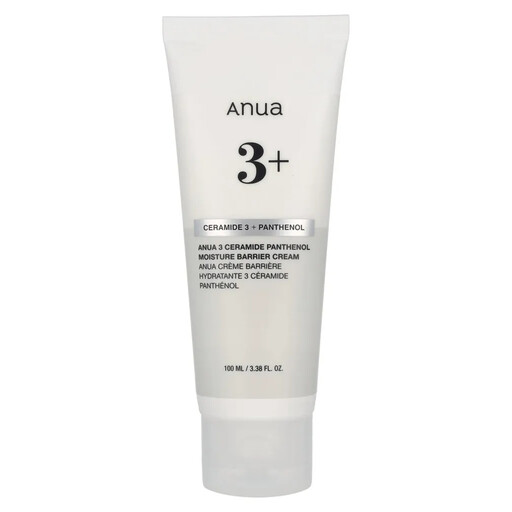
Why this product suits this profile: The 100 ml size is ideal for people who want to use a barrier-support cream every day.
The three named ceramide types and panthenol make the formula more transparent than a general claim such as “barrier protection”.
100 ml; contains ceramides, panthenol, hyaluronic acid and centella asiatica.
We’ve put together a complete, regularly updated list of products that fully meet these strict selection criteria and the safety regulations in force in the EU.
Apply face cream after cleansing. If you’re using several products, the usual order is from lightest to richest texture: toner, serum, emulsion and then cream. Apply sun protection in the morning. If you have sensitive skin, avoid introducing several new active ingredients at the same time.
Shelf life depends on the best-before date, the open-jar symbol and the manufacturer’s instructions. Store creams in a cool, dry place away from direct sunlight. If the smell, colour or consistency changes noticeably, stop using the product.
A face cream for dry skin should combine humectants with emollient ingredients. Glycerin, hyaluronic acid, ceramides, squalane and shea butter are possible ingredients. The right level of richness depends on whether your skin feels tight or is also flaky and very dry.
Usually, applying it after cleansing in the morning and evening is enough. If you have very dry patches, you may want to apply a small extra amount. However, use only enough to avoid leaving an unpleasant film on your skin.
Check the open-jar symbol, such as “12M”, as well as the information on the packaging. Clean hands, a tightly closed lid and storing the cream away from excessive heat can help you use it for the recommended period.