
Lieferung heute & morgen

Qualitätsgarantie

Willkommens-Angebote freischalten: KOSTENLOSE Lieferung | Bis zu 80 % RABATT | Kostenlose 30-Tage-JoyPlus-Testphase
App herunterladen
A face cream for acne and blemish-prone skin should provide moisture without feeling heavy on the skin. At the same time, many shoppers are looking for skincare suited to oily, sensitive or irritated skin. There is plenty of choice: acne cream, blemish cream, Centella cream, niacinamide cream and spot treatments are often promoted with similar promises.
However, the key question is not: “Which cream is generally the most effective?” A more useful question is: Which texture, ingredients and application method are right for your skin’s condition?
An oil-free formula can feel pleasant on oily skin. However, that does not automatically make it suitable for everyone. Other ingredients can also cause problems in cases of individual intolerance. The complete INCI list on the packaging remains the deciding factor.
Salicylic acid, fruit acids, tea tree oil and other active ingredients can be too much when used together in one routine. If you also use a serum, exfoliator or spot treatment for blemishes, you should not combine the products without careful consideration. For sensitive skin, it is sensible to start gradually with just one new product.
Centella Asiatica, panthenol, niacinamide and squalane are cosmetic ingredients. Depending on the formula, they can support skincare and contribute to a comfortable feel on the skin, but they do not replace a dermatological diagnosis or treatment. If you have painful, deep or persistent skin changes, seeking medical advice is advisable.
For a moisturiser for oily skin, lightweight lotions or gel creams are often suitable. Dry skin or skin affected by active skincare may instead benefit from a richer cream. With combination skin, applying the product only to dry areas may be more practical than applying it all over the face.
Look out for terms such as:
A soothing face cream may contain panthenol, glycerine, Centella Asiatica, beta-glucan or ceramides, for example. A Centella cream, also known as a Cica cream, is not automatically formulated in the same way: the extract, leaf water and concentration can vary.
Niacinamide is often used in a niacinamide cream. Squalane, hyaluronic acid and ceramides can also help support moisture care. Salicylic acid and other acids should be introduced particularly carefully if you have sensitive skin. The ingredient’s position in the INCI list provides an indication of the formula, but does not allow any blanket statement about individual tolerance.
A tube protects the contents from frequent contact with your hands and is practical for travelling. Jars can be convenient, but require hygienic removal of the product. Before buying, you should also check:
If you have sensitive skin, a patch test on a small area of skin is recommended. Avoid the eye area, mucous membranes, open wounds and severely irritated skin.
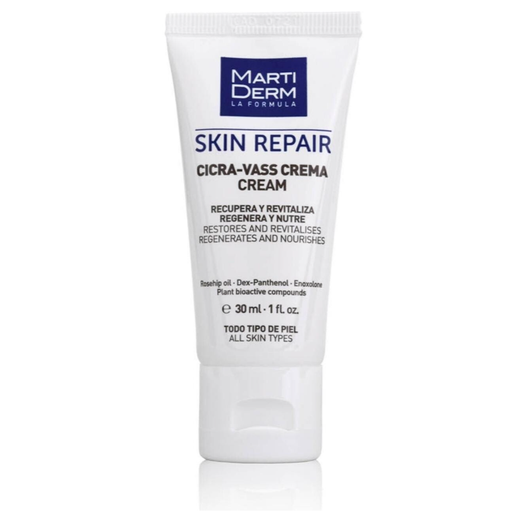
Why this product suits this profile: The 30 ml tube is compact and designed for a straightforward morning or evening routine. The stated formula contains dexpanthenol, glycerine and dimethicone.
The relatively straightforward INCI list makes it easier to get started if you are not initially looking to combine several active acids.
Tube, 30 ml, with no commonly known fragrance allergens stated, and listed as suitable for all skin types.
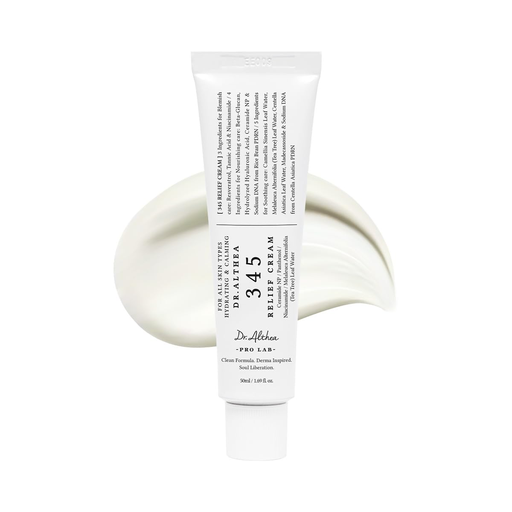
Why this product suits this profile: According to the product information, the gel cream combines niacinamide, panthenol, Centella-related ingredients, ceramide NP and sodium hyaluronate, among others.
The formula is designed to provide moisture without a heavy texture. The “non-comedogenic tested” claim comes from the brand information and should be checked against the packaging.
Lightweight gel cream, ceramide NP and, according to the retailer, no artificial fragrances or colourants.
We have put together a complete, regularly updated list of products that fully meet these strict selection criteria and the safety regulations applicable in the EU.
Lightweight gel creams or lotions are often preferred. Pay attention to individual tolerance, the complete INCI list and, where applicable, an expressly stated non-comedogenic test. An oil-free formula is one selection criterion, but it does not guarantee a particular skin reaction.
That depends on the formula. A simple moisturiser containing glycerine or panthenol is generally used differently from a product containing salicylic acid or several acids. Follow the instructions on the packaging and reduce how often you use it if irritation occurs.
The printed best-before date and PAO symbol, such as “12M”, are the key points of reference. Store the product in a cool, dry place away from direct sunlight. Changes in smell, colour or consistency are signs that you should stop using the cream.