
Lieferung heute & morgen

Qualitätsgarantie

Willkommens-Angebote freischalten: KOSTENLOSE Lieferung | Bis zu 80 % RABATT | Kostenlose 30-Tage-JoyPlus-Testphase
App herunterladen
Tightness, rough patches, and a dull complexion—the search for an effective face cream for dry skin can often feel like a frustrating cycle. The market is saturated with products promising instant relief, yet not every cream delivers on its promises. Many users invest in products that provide a temporary feeling of comfort but fail to address the underlying problem of moisture deficiency.
Before making another purchase, it's helpful to understand two common pitfalls that often lead to unsatisfying results:
To make an informed decision, it's wise to focus on a cream's objective properties rather than its marketing claims. Two parameters are crucial for caring for dry skin.
The outermost layer of our skin, the protective skin barrier, is composed of skin cells and lipids (fats). You can think of it as a brick wall: the cells are the bricks, and the lipids are the mortar. In dry skin, this "mortar" is often compromised. As a result, moisture escapes freely, and external irritants can penetrate more easily.
A good restorative face cream should therefore contain ingredients that help fill these gaps. Look for formulations that mimic the skin's own lipids.
The goal is to find a barrier-strengthening cream that not only moisturises but also supports the skin's structure.
An effective moisturiser for dry skin works on two levels: it attracts water and then seals it into the skin.
A balanced formulation that combines both types of ingredients offers the most comprehensive care for dry skin.
Based on the criteria mentioned, we have identified several products suited for specific user profiles and their needs.
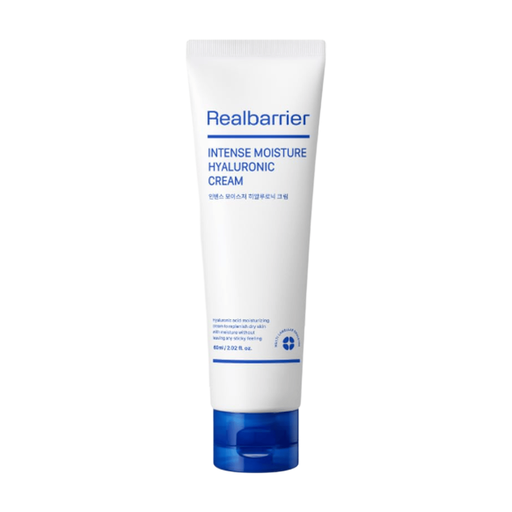
Why This Fits Their Persona: Ideal for individuals whose skin constantly feels irritated and dry and who are looking for a targeted solution to repair their skin barrier. The formulation is focused on restoring the lipid structure.
Instead of a purely superficial effect, this cream uses a combination of ceramides, phytosterols, and fatty acids to structurally support the skin barrier.
According to the manufacturer, it contains MLE Technology, which mimics the lipid structure of healthy skin. The formula is also fragrance-free and suitable for sensitive skin.
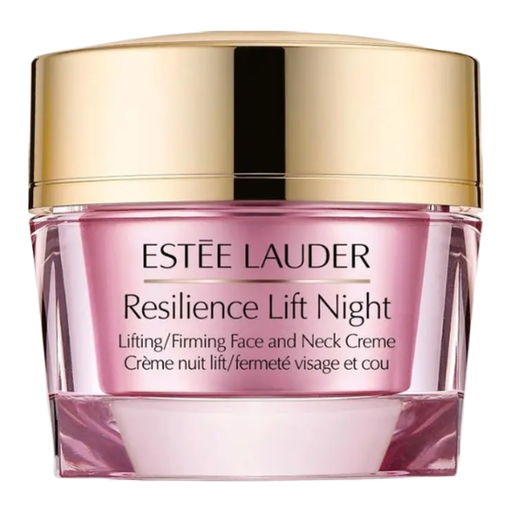
Why This Fits Their Persona: Suitable for users who prefer an intensely nourishing and rich cream for the overnight regeneration phase, allowing them to wake up with skin that feels rested and hydrated.
This cream goes beyond universal moisturising by combining a rich texture with specific active complexes tailored to the needs of mature or very dry skin during the night.
According to the manufacturer, the formulation contains a Tri-Peptide Complex to support the skin's structure, as well as antioxidants. Its rich texture is specifically designed for overnight use.
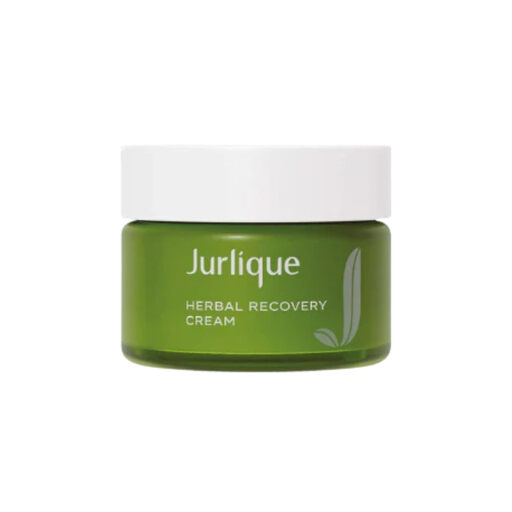
Why This Fits Their Persona: Perfect for those with dry skin who still prefer a lightweight, non-heavy texture for daily use, including under makeup, and who value antioxidant protection.
This product debunks the myth that a cream for dry skin must always be heavy and greasy. It delivers moisture in a lightweight texture that absorbs quickly.
The lightweight texture is suitable for daily use. According to the manufacturer, the formula is rich in antioxidants to protect the skin from environmental stressors.
We have compiled a complete, real-time list of products that fully satisfy these strict selection criteria and UK safety regulations.
Typical signs of a compromised skin barrier include persistent dryness, a constant feeling of tightness (even after moisturising), redness, increased sensitivity to skincare products, and the appearance of rough, flaky patches. The skin may also look dull and lose its elasticity.
For optimal results, it is recommended to apply a moisturiser twice daily to cleansed skin—morning and evening. The morning application protects the skin throughout the day, while the evening application supports overnight regeneration. For extremely dry skin or in dry environments, an additional application may be beneficial as needed.
This is a valid concern. Whether a cream is comedogenic (i.e., clogs pores) depends less on whether it is "rich" and more on its specific formulation and individual ingredients. Many modern, rich creams are formulated to be "non-comedogenic." Look for this claim on the packaging if you are prone to blemishes. Ingredients like shea butter or squalane are generally considered to have low comedogenicity.