
Lieferung heute & morgen

Qualitätsgarantie

Willkommens-Angebote freischalten: KOSTENLOSE Lieferung | Bis zu 80 % RABATT | Kostenlose 30-Tage-JoyPlus-Testphase
App herunterladen
Dark spots, post-acne marks and an uneven skin tone cannot be specifically addressed with just any brightening face cream. Many products promise “glow”, “brightening” or “anti-aging” benefits without clearly highlighting the concentration of relevant active ingredients. Anyone looking to buy a face cream for pigmentation should therefore consider ingredients, application and sun protection together.
Some creams contain light-reflecting pigments, shimmer or tint. This can make the complexion appear more even immediately after application. However, this optical effect should be distinguished from long-term care for an uneven skin tone. With products such as a tinted Radiance Cream, it should therefore be clear whether the desired effect is immediately visible or depends on regular use.
Niacinamide, vitamin C, alpha-arbutin, tranexamic acid, AHA and BHA are often combined in brightening products. However, an extensive INCI list is not proof of quality. On sensitive skin, multiple actives, fragrances or acids can affect tolerance. The decisive factors are the actual concentration, individual skin needs and the rest of the skincare routine.
UV exposure can encourage the development or visibility of pigmentation. A cream for hyperpigmentation without additional daily sun protection is therefore not suitable for every routine. When using products containing AHA, BHA or certain brightening active combinations, a moisturiser with sun protection or a separate sunscreen with at least SPF 30 is advisable during the day.
For an even-tone face cream, the following ingredients are particularly relevant:
A richer cream may feel more comfortable on dry skin, while a gel cream tends to feel lighter on oily or combination skin. Anyone prone to irritation should pay attention to fragrances, essential oils and multiple exfoliating acids. A patch test on a small area of skin can be useful before applying the product more widely.
50 ml is a common fill size for face creams. A smaller pack can be suitable for trying a product, while a larger size may be more economical for daily use. Once opened, the PAO symbol, best-before date and storage instructions on the packaging are the key points to follow.
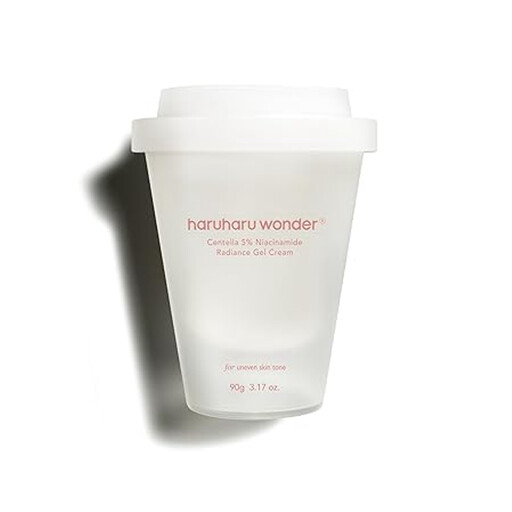
Why This Fits Their Persona: This 90 g gel cream is ideal for anyone seeking a lightweight niacinamide cream for their morning and evening routine.
The declared formulation specifies 5% niacinamide and Centella asiatica leaf water, with no added fragrance.
Lightweight gel texture, 5% niacinamide, squalane and panthenol according to the product information.
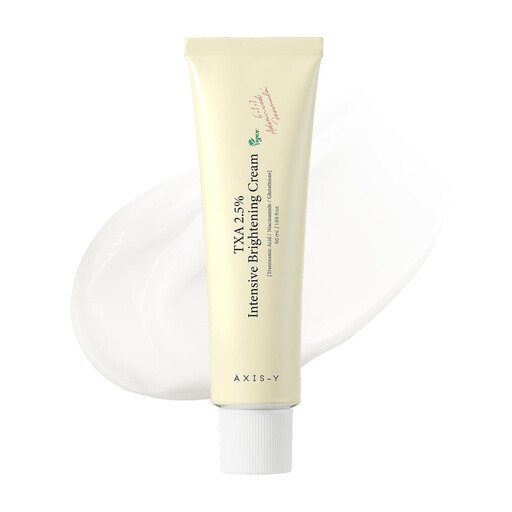
Why This Fits Their Persona: A strong choice for shoppers who prefer a clearly specified blend of active ingredients in a Korean skincare formula.
The product information specifies 2.5% tranexamic acid and niacinamide rather than relying solely on a generic glow promise.
50 ml size, ceramide NP, panthenol and several forms of hyaluronic acid according to the INCI list.
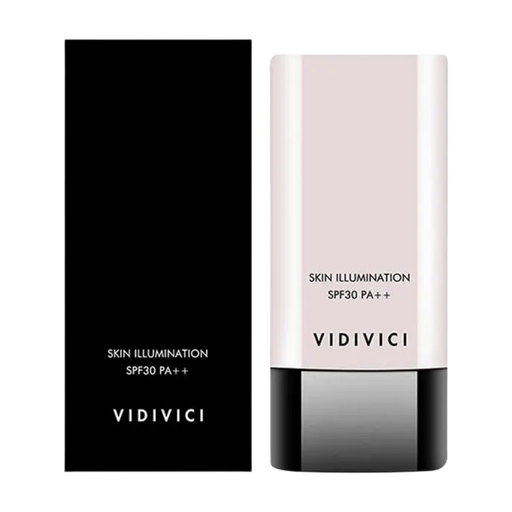
Why This Fits Their Persona: An option for anyone looking to combine daytime hydration, a radiant complexion and UV protection in a single product.
The stated SPF 30 is clearly indicated. For extended time outdoors, however, both the amount applied and regular reapplication remain essential.
SPF 30, niacinamide, vitamin C and hyaluronic acid according to the product information.
Discover a current selection of products for different skin needs and skincare routines.
A new face cream for pigmentation should first be tested on a small area of skin after cleansing. If well tolerated, it can be used according to the instructions on the packaging. Acid-based products such as AHA or BHA creams should not be combined with numerous other potentially irritating actives at the same time.
In the morning, apply sunscreen after your skincare routine. In the evening, active formulations can be incorporated into a simplified routine. Discontinue use if you experience burning, persistent redness, swelling or a rash. New, changing or unusual pigmentation should be assessed by a dermatologist.
This depends on the amount used, how often it is applied and whether the face, neck and décolleté are included. With daily use, a 50 ml pack may last anywhere from several weeks to a few months. The PAO symbol on the packaging indicates the recommended period after opening.
Both active ingredients are commonly found together in many formulations. Individual tolerance depends on the overall formula and the condition of the skin barrier. For sensitive skin, it is advisable to introduce new products one at a time and begin with a small amount.
A stated SPF 30 or higher can be a practical part of a daytime routine. Reliable UV protection depends on applying a sufficient amount, spreading it evenly and reapplying after sweating, swimming or drying off. A day cream does not automatically replace all protective measures in intense sunlight.