
Lieferung heute & morgen

Qualitätsgarantie

Willkommens-Angebote freischalten: KOSTENLOSE Lieferung | Bis zu 80 % RABATT | Kostenlose 30-Tage-JoyPlus-Testphase
App herunterladen
Persistent facial redness, visible capillaries, or a constant feeling of heat can be a daily burden. The search for an effective cream for facial redness often leads through a maze of marketing promises that rarely deliver. As a Joybuy Product Recommendation Officer, my role is to help you make informed decisions and find products based on verifiable parameters, not on exaggerated advertising claims.
Before making a purchase, it's crucial to understand the common pitfalls that lead to disappointment and unnecessary expense.
To make an informed choice, focus your attention on three core areas of product formulation. These parameters will help you objectively evaluate a cream's effectiveness.
A high-quality soothing face cream should contain ingredients proven to help calm irritation and reduce the appearance of redness. Look for the following actives on the ingredients list (INCI):
An intact skin barrier is key to reducing sensitivity and redness. It protects the skin from external irritants. Look for formulations that include these barrier-strengthening components:
When it comes to rosacea skincare and sensitive skin, what's not in the cream is just as important as what is. To avoid further stressing the skin, a suitable cream should ideally be free from:
Based on the objective criteria above, we have curated a selection of products suitable for various user profiles and needs.
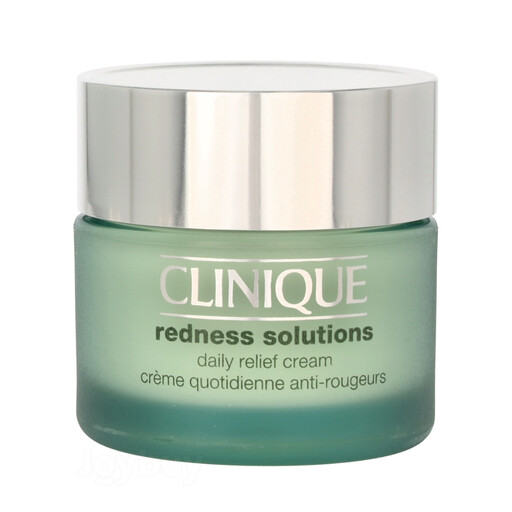
Why this product is a good fit: Ideal for users seeking a reliable daily moisturiser to control general redness and keep skin consistently calm. Its lightweight texture works well as a base for makeup.
The formula relies on a complex of soothing ingredients like Lactobacillus Ferment and Shea Butter, rather than depending on a single "miracle ingredient."
An extra-gentle, oil-free cream that helps to calm and soothe the appearance of redness. The formula is designed for sensitive skin types.
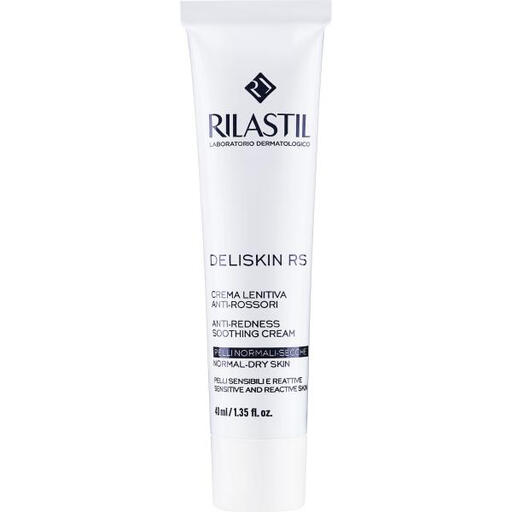
Why this product is a good fit: Designed for individuals with skin prone to couperose and rosacea who are looking for specialised dermo-cosmetic care to alleviate visible redness.
This product avoids the "one-size-fits-all" approach by offering a targeted formula for specific conditions like couperose, rather than just acting as a general moisturiser.
Contains an anti-redness complex with Rutin, Witch Hazel, and a specific tetrapeptide that aims to soothe and protect sensitive skin.
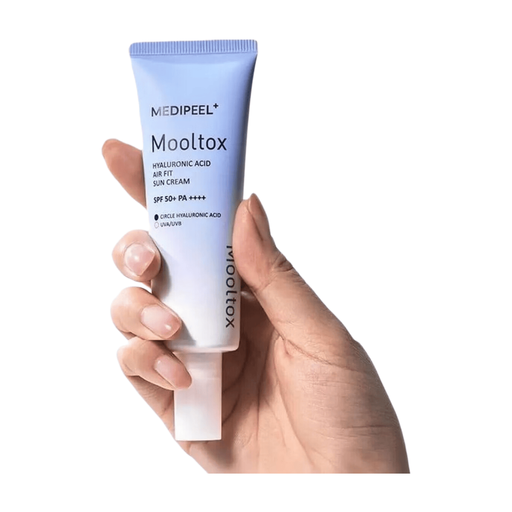
Why this product is a good fit: Perfect for anyone who understands that sun protection is a critical factor in preventing redness. This product combines hydration, soothing care, and high UV protection in one step.
Proactively addresses a primary trigger for redness—UV radiation. Instead of just alleviating symptoms, it helps minimise their development from sun exposure in the first place.
Offers very high broad-spectrum protection (SPF 50+/PA++++) while also containing hydrating Hyaluronic Acid and soothing Niacinamide.
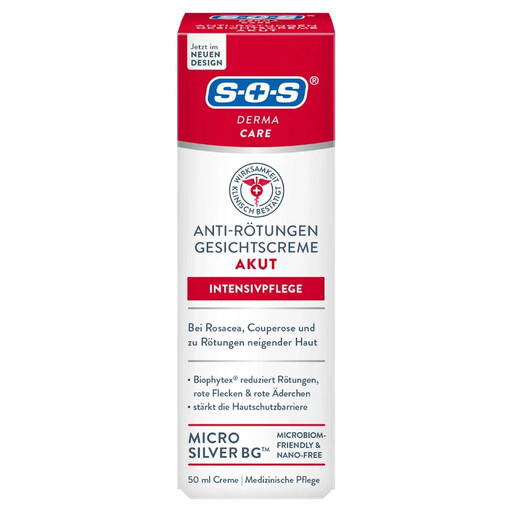
Why this product is a good fit: Designed for acute care for skin prone to rosacea and couperose. The focus is on strengthening the skin barrier and promoting regeneration during flare-ups.
This product directly addresses the root cause of many redness issues—a weakened skin barrier—instead of just providing superficial relief. It focuses on long-term restoration.
Contains Panthenol to support skin regeneration and the plant-based active complex Biophytex, which, according to the manufacturer, has skin-soothing properties.
We have compiled a complete, up-to-date list of products that fully meet these strict selection criteria and European safety regulations.
An immediate calming effect can often be felt right after application. However, a visible reduction in persistent redness or dilated capillaries requires patience and consistent use. Typically, the first lasting improvements can be expected after about four to eight weeks of regular application, as the skin needs time to strengthen its barrier and regenerate.
In many cases, yes. Both rosacea and couperose are characterised by sensitive blood vessels and visible redness. Products formulated for rosacea are therefore often well-suited for couperose, as they aim to calm the skin, support capillary walls, and minimise irritation. Nevertheless, it is always advisable to read the product description carefully and perform a patch test on a small area of skin before full-face application.
Yes, absolutely. UV radiation is one of the most well-known and potent triggers for redness flare-ups, especially with rosacea. Daily use of a broad-spectrum sunscreen with an SPF of at least SPF 30 is a fundamental and non-negotiable part of any skincare routine to reduce facial redness and prevent new skin damage.