
Lieferung heute & morgen

Qualitätsgarantie

Willkommens-Angebote freischalten: KOSTENLOSE Lieferung | Bis zu 80 % RABATT | Kostenlose 30-Tage-JoyPlus-Testphase
App herunterladen
By Joybuy Product Recommendation Officer, August 28, 2026
Finding the right face cream for sensitive skin can feel like navigating a minefield. Skin reacts with redness, tightness, or dryness, and many products seem to worsen the problem rather than solve it. Often, the issue isn't the product itself, but common misconceptions and marketing traps that lead to bad purchases. Before you invest, you should know the most common pitfalls.
Pitfall 1: The "Clean & Natural" Myth Terms like "natural" or "clean" are not legally protected and say little about a product's suitability for sensitive skin. Many natural ingredients, especially essential oils or plant extracts, have high allergenic potential and can severely irritate sensitive skin. A short, synthetic, but low-irritant ingredient list is often the safer choice.
Pitfall 2: Fixating on a Single "Miracle Ingredient" Marketing often focuses on a single, popular ingredient like hyaluronic acid. But a good moisturizer for dry skin is more than the sum of its parts. The overall formulation, the concentration of active ingredients, and their synergy with other components determine effectiveness and tolerability. A cream that only promotes one active ingredient may be neglecting the fundamental care a sensitive skin barrier needs.
To make an informed decision, you should focus on objective criteria rather than advertising promises. Two factors are non-negotiable.
The International Nomenclature of Cosmetic Ingredients (INCI) is your most reliable source of information. Look for formulations specifically designed to soothe the skin and support its barrier.
A healthy skin barrier protects against external irritants and locks in moisture. In sensitive skin, this barrier is often compromised. Therefore, the goal should always be to find a skin barrier-strengthening cream. Products that alleviate redness and irritation work by doing just that. They provide the necessary building blocks to rebuild the barrier and make the skin more resilient. This is the key to relieving symptoms, as with an anti-redness cream.
Instead of making a one-size-fits-all recommendation, we have identified products tailored to specific profiles and skin needs.
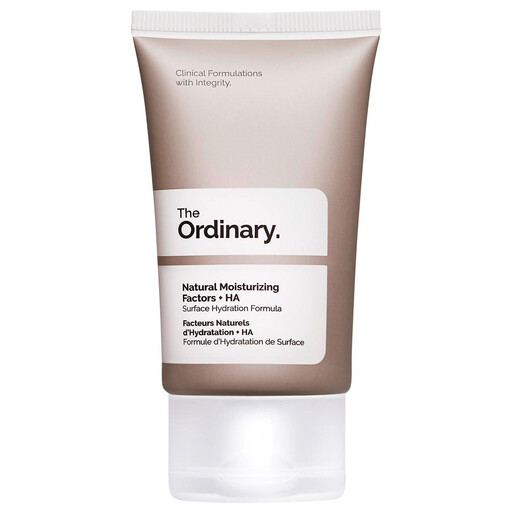
Why it fits the profile: Ideal for users seeking a straightforward, functional, and affordable base moisturizer. The formula focuses on skin-identical Natural Moisturizing Factors (NMFs), amino acids, and hyaluronic acid, without unnecessary additives.
This cream avoids the single-ingredient hype, instead delivering a complex of components that occur naturally in the skin. It is free of fragrance and alcohol.
Provides non-greasy surface hydration that directly supports the skin barrier with essential building blocks.
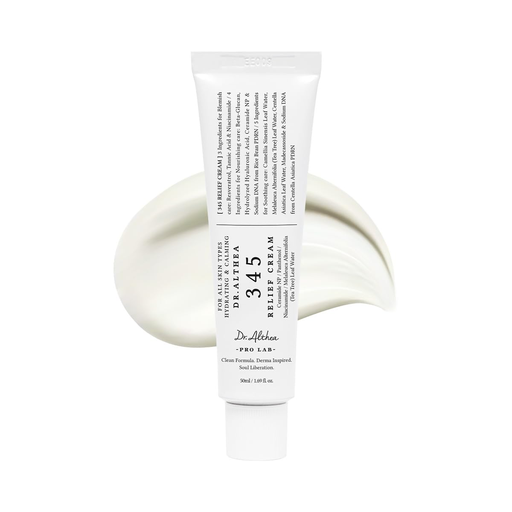
Why it fits the profile: This Korean moisturizer is designed for those with a compromised skin barrier. It combines soothing actives like Panthenol and Centella Asiatica extracts with barrier-building Ceramide NP and Niacinamide.
The formula relies on a synergistic blend rather than a single trending ingredient. Its lightweight gel-cream texture is also suitable for combination or blemish-prone skin.
Specifically supports the soothing and rebuilding of the skin barrier. According to the brand, it is non-comedogenic and tested on sensitive skin.
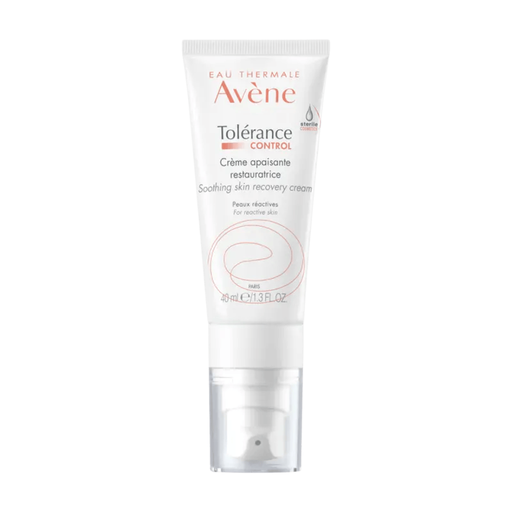
Why it fits the profile: For users who trust dermatologically developed formulas from the pharmacy. This cream is specifically designed for hypersensitive, reactive, and allergy-prone skin.
Completely avoids marketing hype and relies on a minimalist, preservative-free formula. The airtight packaging ensures the purity of the formulation without potentially irritating preservatives.
According to Avène, it contains the patented postbiotic active ingredient D-Sensinose, which controls skin hyper-reactivity and soothes redness, tightness, and tingling.
We've compiled a complete, up-to-date list of products that fully meet these strict selection criteria.
For optimal results and to protect the skin barrier, it is recommended to apply it twice daily, morning and evening, on cleansed skin. If you experience acute dryness or tightness, the cream can also be applied as needed throughout the day.
Yes, many modern formulations are also suitable for combination skin. Look for lighter textures like gel-creams or fluids that provide moisture without making the T-zone greasy. Products labeled "non-comedogenic" are a good choice here, as they won't clog pores.
While both skin types need moisture, the focus for sensitive skin is also on soothing irritation and strengthening the skin barrier. A cream for sensitive skin is therefore typically free of fragrances and other known irritants. A pure moisturizer for dry skin might be richer but could contain ingredients that are unsuitable for sensitive skin.