
Lieferung heute & morgen

Qualitätsgarantie

Willkommens-Angebote freischalten: KOSTENLOSE Lieferung | Bis zu 80 % RABATT | Kostenlose 30-Tage-JoyPlus-Testphase
App herunterladen
A face cream for sensitive skin should provide moisture without leaving the skin feeling tight, causing stinging or creating a heavy film. At the same time, skin needs can vary considerably: Dry cheeks often benefit from richer care, while an oily T-zone may respond better to a lightweight gel cream.
The following selection by the Joybuy Product Recommendation Officer considers clear criteria such as texture, declared ingredients, skin type, fragrances and usage instructions. It does not replace professional dermatological advice.
Terms such as “soothing”, “Barrier Repair” or “Clean Beauty” are not reliable selection criteria on their own. What matters is the complete INCI list on the packaging. This allows you to check whether ingredients such as ceramides, glycerin, panthenol or hyaluronic acid are included, and whether potential personal irritants such as fragrances or essential oils are present.
Combination skin does not necessarily require the same texture everywhere. A rich face cream may be beneficial on dry cheeks but feel greasy in the T-zone. Conversely, a lightweight moisturiser may not provide enough care for very dry skin.
A non-comedogenic face cream is marketed as such when the manufacturer provides corresponding testing or information. This does not mean that every skin type will tolerate the formulation equally well. Individual reactions, additional skincare products and the amount applied also play a role.
Different ingredient groups may be worth considering for everyday facial care:
A lightweight gel cream generally absorbs more quickly and is often well suited to oily or blemish-prone skin, as well as for use under makeup. Rich creams containing oils, shea butter or occlusive ingredients are more suitable for dry skin and evening care. For combination skin, a product with two different textures can be especially practical.
Jars, tubes and pump dispensers each have different handling characteristics. A jar should ideally be used with clean hands or the enclosed spatula. Before buying, also check the fill volume, minimum shelf life, batch number and current INCI list on the packaging. Formulas may change.
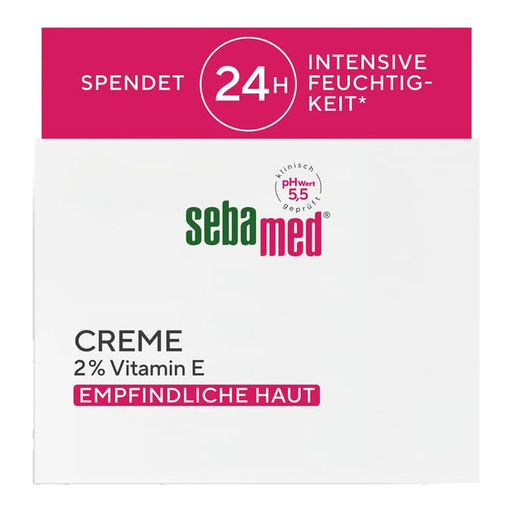
Why it suits this profile: The 75 ml cream is intended for daily use on the face, neck and décolleté and, according to the product information, is developed and manufactured in Germany.
The pH value of 5.5 and the stated suitability for sensitive skin provide more meaningful guidance than advertising claims alone. However, the INCI list does contain fragrances.
2% vitamin E according to the product name, a 75 ml fill volume and an oil-in-water emulsion.
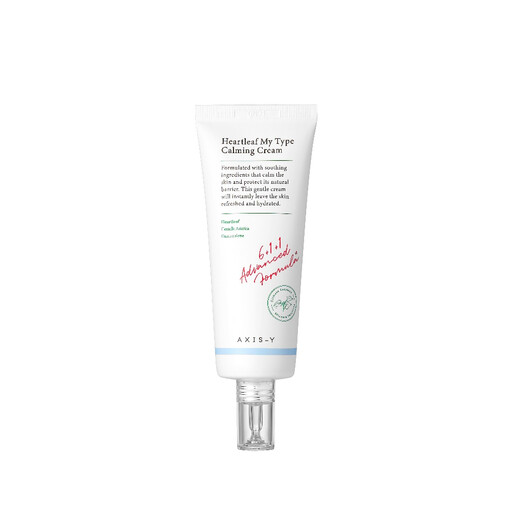
Why it suits this profile: According to the product description, the lightweight gel cream comes in a 60 ml size and is intended for sensitive, blemish-prone skin.
The water-based, fast-absorbing texture is designed to leave a lightweight feel. Even a formula described as non-comedogenic should be tested for individual compatibility.
The stated formula contains heartleaf and Centella extracts, glycerin, sodium hyaluronate and allantoin.
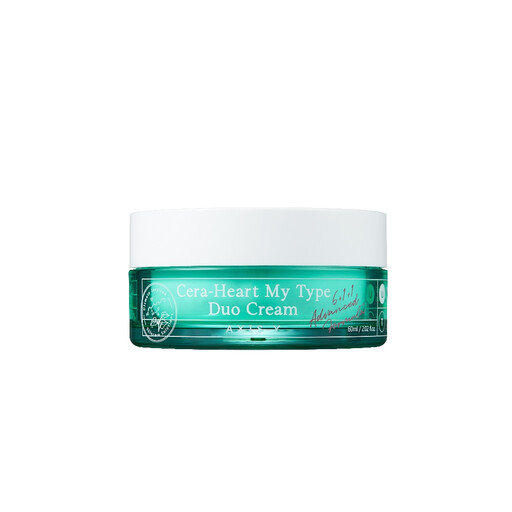
Why it suits this profile: The duo set divides skincare into a lighter cream for the T-zone and a richer cream for the drier areas of the U-zone.
The separate textures reduce the risk of a single cream feeling too rich or too lightweight across all facial zones.
30 ml heartleaf cream plus 30 ml ceramide cream; can be applied by zone or blended together.
A soothing face cream with Centella, panthenol or allantoin may be a good option if the skin feels tight soon after cleansing. For very dry skin, richer products such as the Pyunkang Yul Intensive Repair Cream with ceramide NP and shea butter may be worth considering. If you prefer a Korean face cream with a lightweight texture, take a look at the Dr. Althea 345 Relief Cream. According to the product information, it contains panthenol, niacinamide, Centella ingredients, sodium hyaluronate and ceramide NP, among others.
For a broader selection of textures and skincare goals, compare the options in the dermatological face cream category.
We have put together an up-to-date selection of products that can be compared based on their ingredients, texture and stated suitability for sensitive skin.
If you have sensitive skin, test a new product on a small area first, such as the inside of the forearm. If redness, itching, stinging or swelling occurs, discontinue use. Avoid contact with the eyes and mucous membranes. Products should only be used on broken, severely irritated or sunburned skin following appropriate professional advice.
In the morning, suitable sun protection should also be part of your daily facial care routine. In the evening, apply the cream after cleansing and, if applicable, after serum or toner. Introducing several new products at the same time makes it more difficult to identify the cause of any reactions.
Look for humectants such as glycerin or hyaluronic acid, as well as nourishing lipids, ceramides and, where appropriate, shea butter. A richer texture may be more suitable for dry cheeks than a lightweight gel cream. If you know you are sensitive to fragrance, review fragrance ingredients critically.
Ceramides are frequently used in skincare products for dry or stressed skin. However, whether a specific formula is suitable depends on the complete INCI list and your individual tolerance. Follow the manufacturer’s usage instructions.
For an initial tolerance check, apply the product to a small area of skin before using it more broadly. If no unwanted reactions occur, gradually incorporate the cream into your daily facial care routine. If symptoms persist, seek dermatological advice.